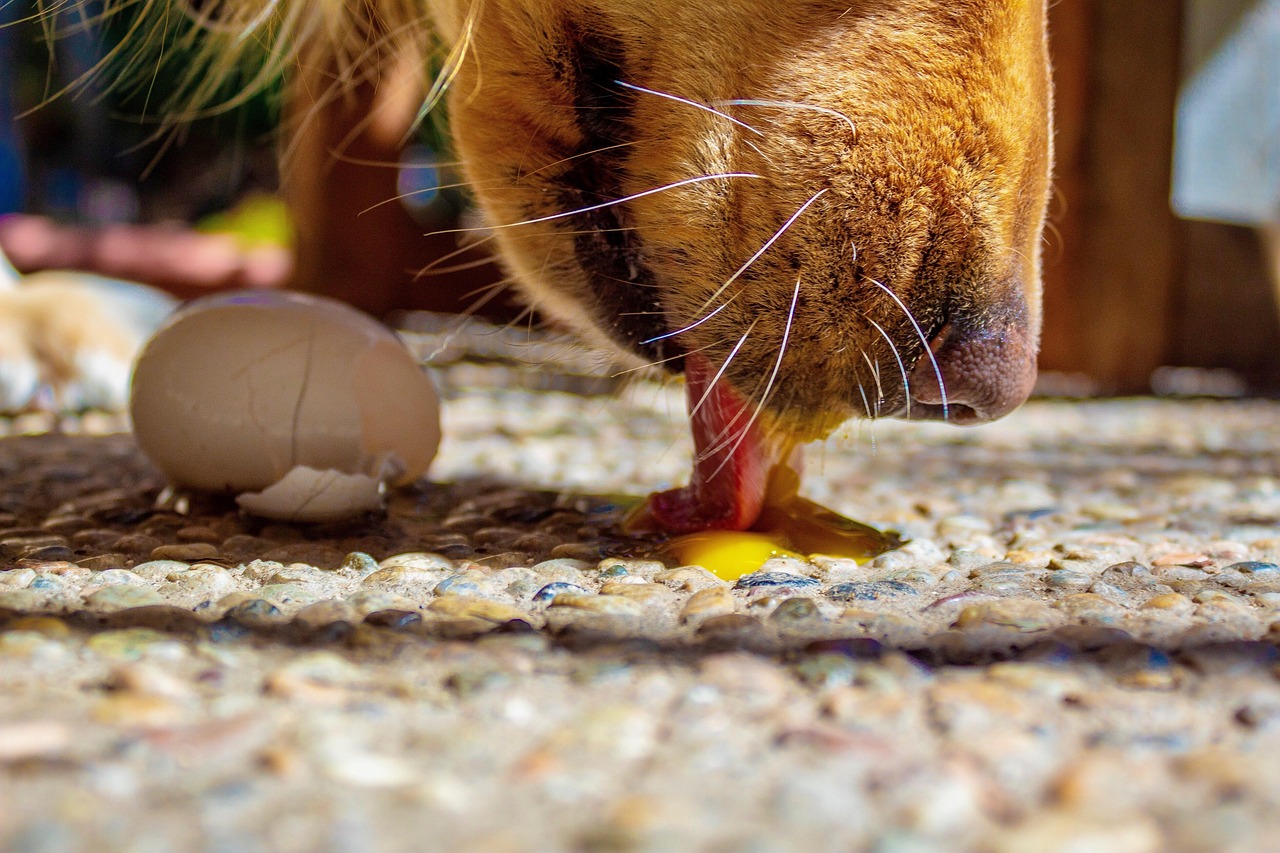

Raw Diets for Dogs: Benefits and Risks to Consider
Many pet owners are turning to raw diets for their canine companions, excited about the potential health benefits. These diets typically consist of raw meat, bones, fruits, and vegetables, aiming to mimic a dog’s ancestral eating habits. Proponents argue that raw diets can enhance coat condition, improve dental health through natural chewing, and boost overall energy levels. This dietary approach may lead to fewer allergies and improved digestion. Additionally, raw feeding can make it easier to monitor dietary ingredients, as home-prepared meals contain no unnecessary fillers. Owners may feel empowered, taking charge of what their pets consume. However, before transitioning a dog to a raw diet, it’s crucial to consider the risks involved. A poorly balanced raw diet may lead to nutritional deficiencies and health problems. Moreover, raw food can carry pathogens harmful to dogs and humans alike. Cross-contamination and food safety practices are key concerns when handling raw ingredients. It’s essential to educate yourself on proper food handling and preparation to mitigate these risks effectively. Always consult a veterinarian to ensure the diet meets your dog’s specific needs.
Transitioning your dog to a raw diet can be a significant change, and the shift should be gradual and carefully executed. Start by introducing small amounts of raw food mixed with their current kibble, gradually increasing the proportion of raw ingredients over several days or weeks. This approach will help your dog adjust to the new diet and minimize stomach upset. Monitoring your dog’s response during the transition is critical; watch for changes in stool consistency and energy levels. If your dog shows signs of distress, you may need to slow the transition process. Many dog owners report positive changes, including improved digestion, increased energy, and a shinier coat. However, some dogs may take longer to adapt to raw food, and not all dogs will thrive on a raw diet. Individual responses can vary based on many factors, including breed, age, and pre-existing health conditions. It’s important to stay informed about nutritional requirements and variations in ingredients, as a varied diet can provide essential nutrients that may be lacking in a single raw food source. Regular veterinary check-ups can help in assessing your dog’s health as they adapt to their new diet.
Understanding Nutritional Balance
A key aspect of feeding a raw diet involves understanding the nutritional balance necessary for your dog’s health. Dogs require a balance of proteins, fats, carbohydrates, vitamins, and minerals to thrive. While raw meat forms the basis of many raw diets, including organ meats and bones is crucial to provide a complete nutrition profile. Bones should be raw, as cooked bones can splinter and cause serious injuries. Including vegetables and fruits can add essential vitamins and fiber. Certain nutrients, such as calcium and phosphorus, must be present in the correct ratios for optimal bone health. Adding supplements can help to fill nutritional gaps, especially when first transitioning. For example, omega-3 fatty acids can benefit skin health, and probiotics can aid digestion. Always involve a veterinarian or an animal nutritionist in formulating your dog’s raw diet to ensure proper nutritional balance. They can help you customize recipes according to your dog’s age, breed, and specific health conditions. Providing your dog with a well-rounded raw diet can lead to improved health outcomes, but it requires careful planning and ongoing education in canine nutrition.
One of the primary concerns surrounding raw diets is the potential for bacterial contamination. Raw meat can harbor harmful bacteria such as Salmonella and E. coli, which poses a risk to both your pet and household members. Practicing proper food handling procedures can significantly reduce this risk. Always wash your hands, utensils, and preparation surfaces after handling raw ingredients. Cleaning bowls regularly and freezing portions can further minimize bacterial growth. Additionally, observe your dog for any signs of illness after introducing raw food. Maintaining good hygiene practices should also involve keeping your dog’s feeding area clean. Regular grooming can help remove any hair or debris that might accumulate during feeding. It’s essential to educate your entire household about the risks associated with raw feeding, especially if there are children or immunocompromised individuals nearby. Before choosing to feed your dog a raw diet, consider these health and safety concerns seriously. Ensuring all family members view the advantages and potential drawbacks of this feeding method will create a supportive environment for you and your pet. Being informed is crucial in making the right dietary decisions for your canine friend.
Potential Health Benefits
Proponents of raw diets highlight various potential health benefits that can result from feeding dogs a raw food regimen. These benefits often showcase improvements in a dog’s overall health, including increased energy levels that pet owners frequently notice. Many claim raw feeding leads to shinier coats, healthier skin, and fresher breath, all of which are indicators of nutritional well-being. Enhanced digestion is also reported, with raw diets believed to be easier for dogs to process than dry kibble, which can often contain fillers. Moreover, raw diets can support a strong immune system, which may help reduce the frequency of veterinary visits for illness. The use of whole, unprocessed foods means that dogs receive natural enzymes and higher-quality proteins, enabling digestion and absorption of vital nutrients. Some owners have reported improved weight management, as raw diets can be tailored precisely to a dog’s caloric needs. An essential aspect of this approach is understanding the types of proteins and ingredients that work best for your dog. Customizing the diet based on their health requirements ensures that they receive every nutrient necessary for a long, healthy life.
On the flip side, some health risks are associated with raw diets that every dog owner should consider. A poorly planned raw diet can lead to nutritional deficiencies, causing health problems in the long run. For instance, feeding excessive muscle meat without incorporating organ meats may result in insufficient vitamins and minerals. It’s essential to have a keen understanding of the nutrient content and to seek guidance from professionals if unsure. Furthermore, the risk of dental issues can arise if your dog only consumes soft food. Including raw bones can help promote dental hygiene by naturally cleaning teeth, but caution should be exercised to avoid any splintering. Dogs also have specific dietary requirements contingent on their life stage, breed, and health status, which need to be factorized into their diets. Regular veterinary consultations can assist in monitoring any potential health issues. Recognizing the balance between the benefits and risks of raw diets is vital, ensuring that they provide all necessary components for optimal growth, conditioning, and health well into your dog’s senior years.
Making an Informed Decision
Ultimately, as a dog owner, making an informed decision regarding your pet’s diet is paramount. A raw diet can offer notable benefits for some dogs; however, it may not suit every pet. Understanding your dog’s unique needs is essential before making any dietary transitions. Research extensively, evaluate your dog’s health status, and consult with professionals whenever needed. Networking with other dog owners who are successful with raw feeding can provide practical insights. Monitoring your dog’s mood and health during the transition can help gauge whether this feeding method is positively impacting their life. Choosing a raw diet means committing to a new approach requiring time, patience, and knowledge. Prioritize gathering information about proper feeding practices, meal preparation methods, and ingredient sourcing to foster a positive experience for your pet. Remember to consider your lifestyle and how it interacts with the expectations of preparing a raw diet. If handled correctly, a raw feeding regimen can significantly enhance your dog’s health and happiness, resulting in a strong bond between you and your four-legged companion.
In conclusion, raw diets for dogs present both exciting opportunities and considerable challenges for pet owners. A balanced raw diet can provide significant benefits, but it requires dedication, continuous learning, and proper execution. Exploring the merits and pitfalls of raw feeding is essential for ensuring your dog receives optimal nutrition tailored to their individual needs. By researching and collaborating with veterinarians or nutritionists, you can construct a well-balanced raw meal plan. Adequate education on food safety and nutrient requirements will allow you to enjoy the process. Being a good dog parent involves understanding the nuances of nutrition and how they correlate with long-term health outcomes. As you work diligently to support your dog’s well-being, you will create a more profound relationship built on trust and care. Embracing raw feeding might greatly enhance your dog’s quality of life, provided it is approached thoughtfully. A commitment to ongoing education and awareness is integral to optimizing your dog’s health. As you transition your pet to a raw diet, ensure an open mind, patience, and understanding of their reactions to ongoing dietary changes.