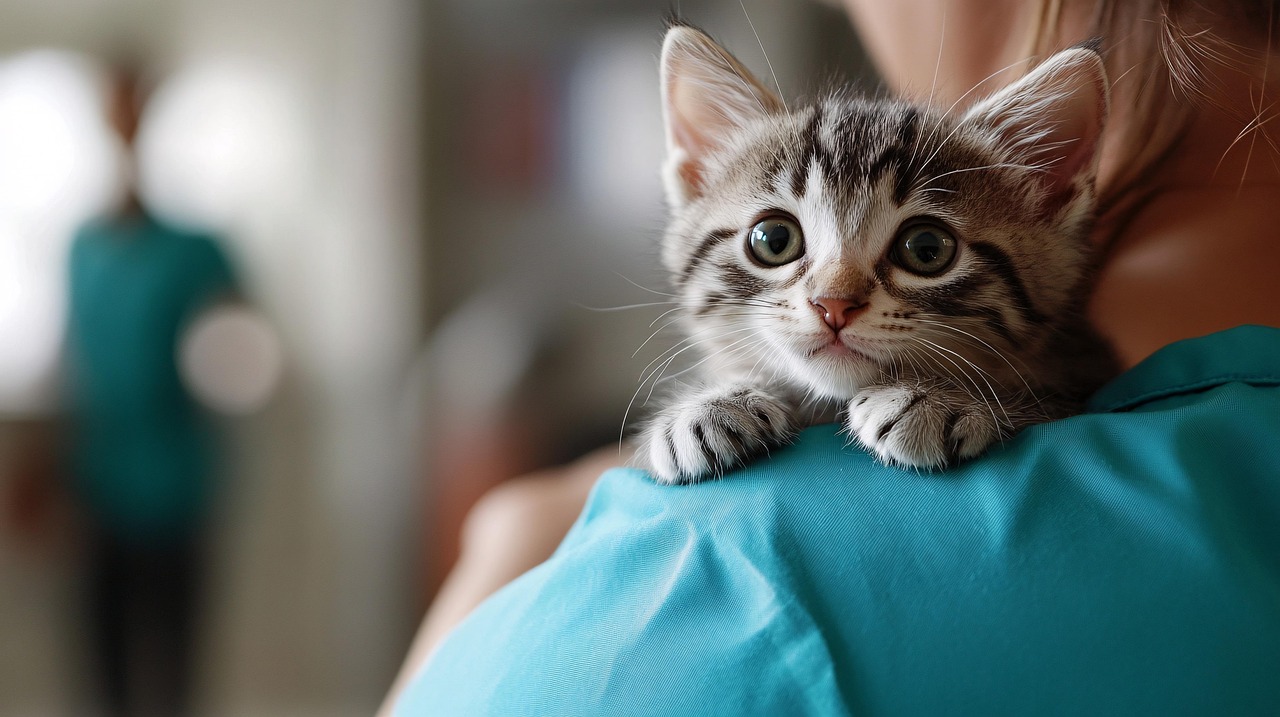

Training Your Cat to Enter the Carrier Calmly for Vet Trips
Taking your cat to the vet can be a source of anxiety, not just for you, but for your feline friend as well. One of the best ways to reduce this stress is to train your cat to enter the carrier calmly. A great starting point is to familiarize your cat with the carrier long before the actual vet visit. Position the carrier in a quiet area of your home and leave the door open, allowing your cat to explore it at their leisure. You can place their favorite toys or treats inside, encouraging positive associations. Additionally, consider lining the bottom of the carrier with a soft blanket to make it more inviting. Instead of forcing your cat into the carrier, allow them to enter on their own terms. Patience is crucial in this process, as a gentle approach can help your cat feel more secure. Remember, every cat is unique; some may take longer to adjust. Gradually increasing the time spent in the carrier can help them adapt, making the eventual trips to the vet far more manageable for both of you.
Another key component of training your cat to enter the carrier for vet visits is creating a positive experience. Use treats, praise, and encouragement when your cat interacts with the carrier. This tactic reinforces good behavior and can help alleviate any fear your cat may associate with it. Consider incorporating short sessions where you close the door for just a couple of minutes while your cat is calm inside. This brief confinement can help them get used to being enclosed without overwhelming them. Furthermore, practice mock vet visits at home. By simulating the entire process, including entering the carrier and driving in the car, you can help your cat learn what to expect. If your cat is more comfortable with certain sounds or scents, like a favorite toy or blanket, include these in the carrier to provide reassurance. Each time your cat enters the carrier calmly, reward them. This repetition and positive reinforcement build a deeper level of trust. Over time, you’ll notice your cat becoming more relaxed and cooperative, turning what was once a stressful experience into a more routine and manageable one.
Routine and Consistency are Key
To further improve your success in getting your cat into their carrier for vet trips, establish a routine. Cats thrive on predictability, and taking the time to create a consistent schedule will help your cat adjust more easily. Choose a time of day that works for both you and your cat, ideally when they are less active, such as after a meal or during a quiet afternoon. Practice placing your cat in the carrier several times a week, focusing on calmness and positive reinforcement. If your cat resists, don’t force it; instead, try again later. Repeating these practices consistently will help your cat anticipate the process without fear. Additionally, you can enhance the routine by introducing training clickers, which can become a powerful tool for reinforcing desired behaviors. When your cat enters the carrier, use the clicker followed by a treat. This will effectively communicate to your cat that they’ve made the right choice while creating an engaging training experience. Trust takes time, and by developing a routine filled with positive experiences, you’re setting the stage for a much smoother vet visit.
In addition to creating a routine, you may want to prepare for the vet visit in advance. This includes ensuring that your cat is comfortable with car travel as well. If your cat experiences anxiety in the car, it will only add to the stress of the vet visit. Gradually acclimate your cat to the car environment by allowing them to sit inside the vehicle with the engine off. Start with short sessions, rewarding them for being calm. Once they become accustomed to the car, take short drives around your neighborhood. Each successful trip can be followed by treats or praise, building a positive association with the experience. It’s important to remain calm yourself; cats often pick up on their owner’s anxiety. By staying composed during these exercises, you’re providing a calming influence. Create a serene environment with soothing music or treats. Over time, your cat will begin to view car rides and vet appointments as more routine events rather than stressful occurrences. This gradual conditioning leads to a more positive experience at the vet, making the trips less daunting.
Using Positive Reinforcement Techniques
Using positive reinforcement is a central aspect of training your cat to enter the carrier calmly for vet visits. This method fosters an environment of trust between you and your feline companion, encouraging them to view the carrier as a safe space rather than an intimidating trap. Reinforcement can come in various forms, such as treats, affectionate petting, or verbal praise. The goal is to create an association with the carrier that elicits happiness rather than fear. For instance, when your cat willingly approaches the carrier, immediately reward them with a treat or kind words. This will encourage repeat behaviors over time. Remember that every cat is different, so some may require more encouragement than others. Observe your cat’s reactions and adjust your training techniques accordingly. You might also consider using spray pheromones designed to calm cats when introducing them to the carrier. These sprays can help create a relaxed atmosphere. The focus should always be on making your cat’s experience with the carrier a satisfying one, helping combat any fears through gradual desensitization. This builds trust, leading to successful vet trips.
As important as it is to train your cat to enter the carrier, managing your own expectations is also crucial. Understand that patience is essential in training any pet, particularly cats. Some cats are more anxious than others, and this may affect their ability to feel comfortable in the carrier. This could mean adjusting your training timeline based on your cat’s personality. Recognize when you need to take a step back to avoid overwhelming your feline friend. Constantly forcing them into the carrier will only increase their stress levels. Instead, keep the experiences short and end on a positive note. If your cat becomes agitated, allow them to leave the carrier and give them some time. You can always revisit the training later when your cat seems more relaxed. Celebrate small victories along the way, whether it’s just sniffing the carrier or stepping inside with confidence. The ultimate goal is to ensure that by the time the vet visit arrives, both you and your cat can face the day with less anxiety and more preparedness. Over time, your efforts will result in smoother, more efficient vet outings.
Conclusion and Final Tips
To sum up, training your cat to enter the carrier calmly for vet visits takes time, patience, and a positive approach. By creating a comfortable environment, establishing routines, and utilizing positive reinforcement, you can make this process smoother for both you and your pet. It’s important to celebrate each small success, as every step brings your cat closer to feeling secure in their carrier. Remember to take breaks if your cat shows signs of distress, adapting your strategies to fit their comfort level. Additionally, consider consulting with your veterinarian or an animal behaviorist for personalized advice if you’re struggling. They can provide insights specifically tailored to your cat’s needs. Frequent practice, even when not preparing for a vet visit, helps maintain a sense of normalcy and comfort associated with the carrier. By investing time into this training, you’re not only easing the vet visit experience but also strengthening your bond with your cat. Eventually, you will notice that your cat perceives the carrier as a safe haven rather than a source of stress, resulting in a much more peaceful adventure to the vet.
Overall, the key to a successful vet visit begins well before the appointment. The groundwork lays a foundation of trust and familiarity with the carrier, helping your cat feel secure and safe. This ultimately leads to less anxiety and a better relationship with outings involving the vet. A proactive approach introduced at home transforms the way your feline perceives both the carrier and subsequent vet visits. Remember, you want to foster a positive connection, turning a once daunting task into a seamless part of your routine. Adopting these principles not only benefits your cat but also makes life easier for you as a responsible pet owner. Start today and be patient—your efforts will pay off to enhance your overall journey with your feline friend in trips outside home for vet visits.