
Understanding Lyme Disease in Dogs: Symptoms and Treatment
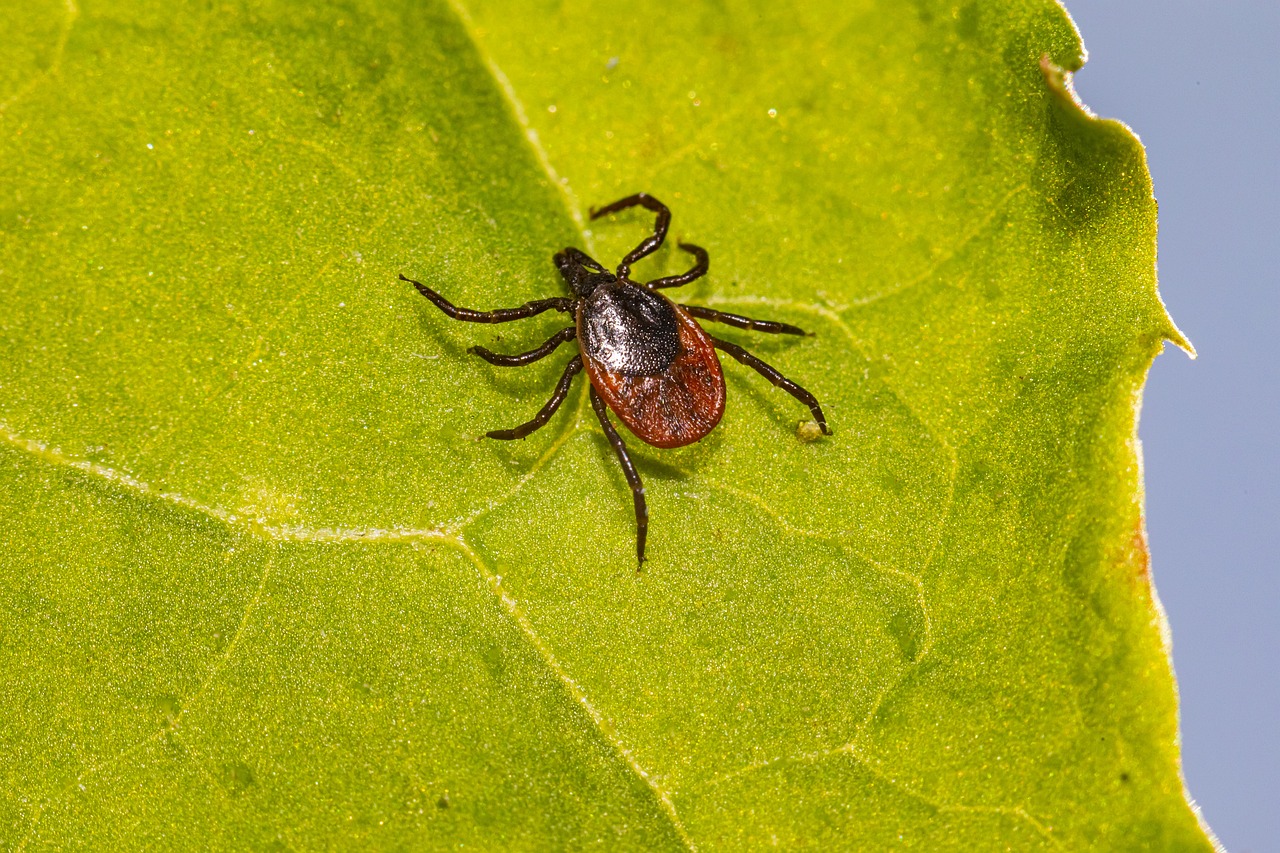
Lyme disease is a serious tick-borne illness affecting canines and humans alike. It’s caused by the bacterium Borrelia burgdorferi, which is transmitted through the bite of an infected tick, typically the black-legged tick. Dogs are particularly vulnerable as they often explore grassy or wooded areas, coming into contact with these ticks. The symptoms of Lyme disease can vary greatly, making it challenging for pet owners to recognize. Common early signs include fever, lack of appetite, and lethargy. As the disease progresses, it can lead to severe joint pain, swelling, lameness, and even kidney failure. Being aware of Lyme disease is essential to ensure timely diagnosis and treatment. Understanding tick prevention methods is also crucial in stopping these infections before they occur. Regularly inspecting your dog for ticks after outdoor activities can help catch any potential issues early. If you suspect Lyme disease, consult a veterinarian who can conduct blood tests to diagnose the condition accurately. Early detection can lead to more effective treatment outcomes. Pet owners should stay informed about Lyme disease for proactive care of their dogs.
Recognizing the symptoms of Lyme disease in dogs is crucial for effective treatment. Symptoms may not manifest immediately after a tick bite, often appearing weeks or even months later. This delay can result in further complications if not addressed in time. Common early signs to watch for include intermittent lameness, fever, fatigue, and swollen lymph nodes. As the disease progresses, you might notice changes in your dog’s behavior, including reluctance to move or play. While these symptoms might often be mistaken for other conditions, the distinctive lameness and joint pain are significant indicators of Lyme disease. If you see these behaviors in your dog, contact your veterinarian promptly. They can perform specific blood tests to confirm the diagnosis and determine the appropriate treatment plan. Early diagnosis is vital as it can lead to a faster recovery. Veterinary treatments typically include antibiotics such as doxycycline or amoxicillin, which are effective in combating the bacterial infection. Alongside antibiotic treatment, supportive care may also be necessary to help relieve pain and inflammation. Remember to always keep an eye out for changes in your dog’s health.
Prevention Strategies Against Lyme Disease
Preventing Lyme disease in dogs involves a combination of proactive approaches. The most effective method is to keep your dog protected from ticks. Use veterinarian-recommended tick prevention treatments, such as topical spot-on products, oral medications, or tick collars. These products work by repelling or killing ticks before they can transmit the disease. Additionally, maintaining a clean yard by regularly mowing the grass, removing leaf litter, and clearing debris can significantly reduce tick habitats around your home. When walking your dogs in wooded or grassy areas, try to stick to paths and avoid tall grasses where ticks thrive. After outdoor activities, conduct thorough inspections of your dog’s fur and skin, especially between their toes, underarms, and around their ears. If you find any ticks, remove them promptly and safely using tweezers or a tick removal tool. Further, consider getting your dog vaccinated against Lyme disease, though this should complement, not replace, preventive measures. Being proactive significantly lowers the risk of Lyme disease, keeping your furry friends safe from harm.
Being aware of the prevalence of Lyme disease is essential in understanding the risks to your dog. Lyme disease occurs in many regions, particularly in areas with high tick populations. While Lyme disease is more prevalent in the northeastern and north-central United States, cases have been reported worldwide. The increase in tick populations and expanding territory poses greater risks to your pets. For this reason, educating yourself and your veterinarian about your local risk levels is vital. Keep an eye on local health advisories regarding Lyme disease outbreaks. Dogs living in or visiting these high-risk areas are at a greater chance of exposure to ticks. Again, regular vet check-ups can provide insights into the risks associated with Lyme disease in your locality. During high-risk seasons, such as spring or summer, ensure that both preventive measures and routine tick checks are prioritized. If you notice any symptoms of Lyme disease, swift action is necessary. Consult a veterinarian immediately to obtain guidance on the next steps in diagnostics and treatment.
Long-Term Effects of Lyme Disease in Dogs
Understanding the possible long-term effects of Lyme disease on dogs is important for pet owners. Some dogs may experience residual joint pain, stiffness, or lethargy even after treatment. While many dogs recover completely with antibiotics, others can suffer from chronic signs. This post-treatment Lyme disease can lead to ongoing joint pain or fatigue that lasts for months. Such complications may require additional treatment and supportive care to manage the symptoms effectively. Pain management strategies may include anti-inflammatory medications and dietary changes to ensure your dog’s comfort. Regular follow-up veterinary visits are vital to monitor their health and response to treatments. Early and aggressive intervention is critical in reducing the long-term effects of this disease. Ensuring your dog receives routine check-ups can help catch any secondary issues early, ultimately facilitating a better quality of life. Being aware of potential long-term effects allows for educated decisions regarding your dog’s health post-treatment. Pet owners should remain vigilant, keeping an eye on any changes in their dog’s health after treatment for Lyme disease.
Working with your veterinarian is essential in managing both the immediate and long-term impacts of Lyme disease on dogs. Veterinarians can provide valuable guidance on treatment options and supportive care. They can recommend anti-inflammatory drugs, pain management strategies, or even nutritional supplements that support joint health if long-term issues arise. Staying in close communication with your vet is vital in ensuring that your dog’s needs are met through efficient care. It’s also important to tailor treatment approaches based on your dog’s specific symptoms and overall health status, as individual responses to Lyme disease treatment can vary widely. The veterinarian’s expertise is crucial in navigating any complexities related to your dog’s recovery. Additionally, pet owners should educate themselves about potential recurrent symptoms or new flare-ups post-treatment. Being prepared and knowledgeable equips you to address any complications effectively. Always keep a watchful eye on your dog’s behavior and health during recovery. The collaborative effort between the pet owner and veterinarian can ensure a comprehensive management plan for Lyme disease, enhancing your dog’s quality of life.
Conclusion on Lyme Disease Awareness
Awareness of Lyme disease in dogs is paramount for every pet owner. By understanding the symptoms, prevention methods, and potential long-term effects, you can take proactive steps to safeguard your dog’s health. Regular veterinary visits, flea and tick prevention, and prompt attention to any unusual behavior are key components in combating this disease. Ensuring that you stay informed about local tick populations and ongoing risks plays a role in protecting your pet. Familiarity with effective treatment options will enable you to act quickly if your dog shows symptoms of Lyme disease. Collaborating with your veterinarian ensures that both immediate and long-term strategies are addressed for better health outcomes. It’s also essential to be diligent and proactive in educating other dog owners about the risks and prevention of Lyme disease. Sharing information and personal experiences can also create a more informed community that takes the health of pets seriously. Remember, your vigilant actions now can prevent Lyme disease in the future and help your dog live a longer and healthier life alongside you.