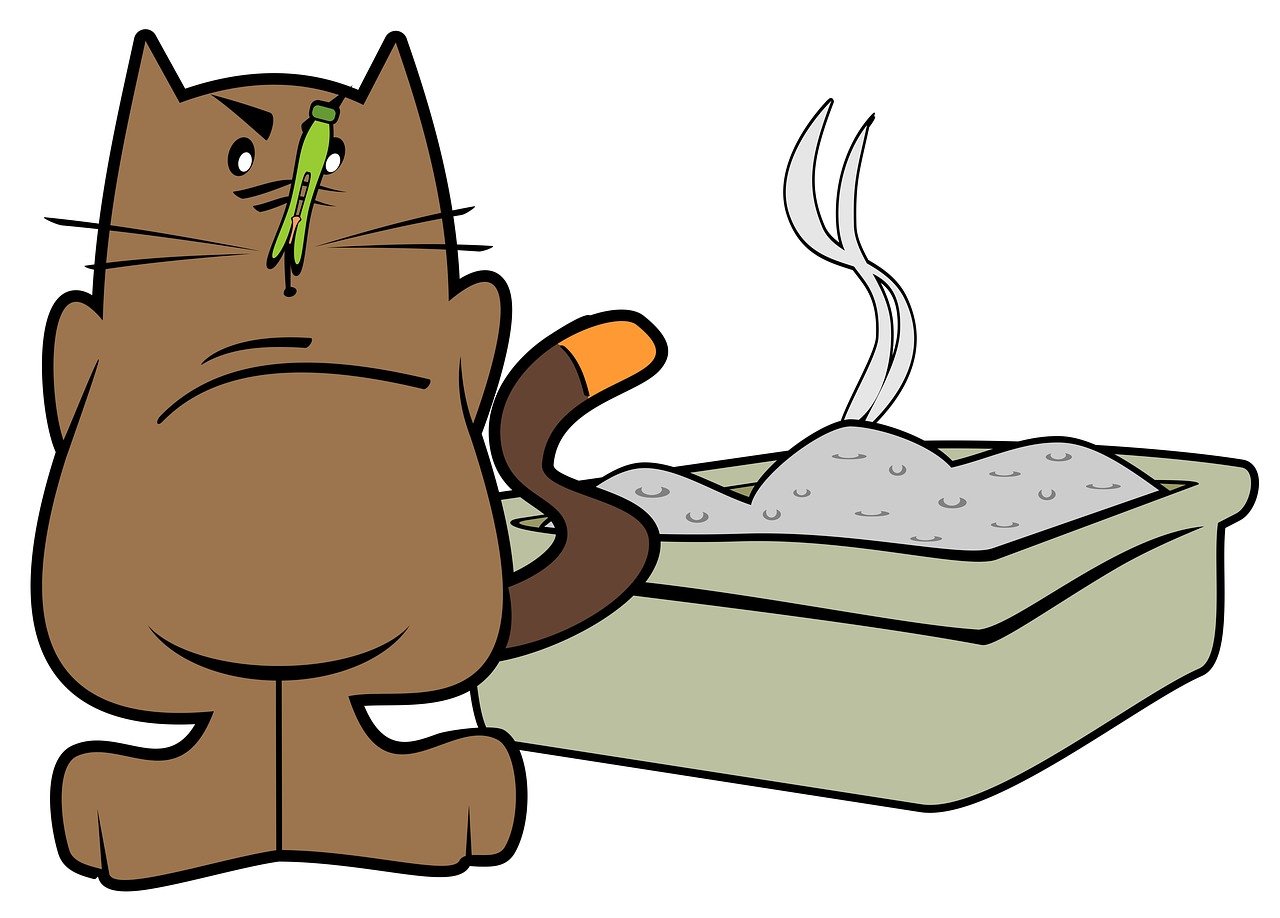

How to Train Your Cat to Use the Litter Box
Training a cat to use the litter box can seem challenging at first, but with patience and proper techniques, it becomes a straightforward task. First, choose the right litter box. Opt for a box that is the appropriate size for your cat—typically, it should be one and a half times the length of your cat from nose to tail. Secondly, placement is vital; the litter box should be in a quiet, accessible area that your cat feels safe in, away from loud noises and disturbances. Introducing your cat to the litter box can be done by putting them inside gently and showing them how to dig in the litter. Remember to keep the box clean; cats are very particular about hygiene. Regular scooping of clumps and replenishing the litter helps to create a comfortable space. Training can also involve positive reinforcement—reward your cat with treats or praise when they use the box correctly. Consider using the method of gradually transitioning them from their sleeping area to the litter box area to help them adjust smoothly as well.
Consistency is key when training your cat to use the litter box. If you notice accidents happening, don’t get upset with your cat; instead, consider what could be causing the issue. Paying attention to your cat’s elimination habits can provide valuable insights. For instance, if your cat frequently escapes the litter box area, it may indicate that they require better accessibility. Make sure the box is easy for them to reach. Along with proper training, consider the type of litter you are using. Some cats prefer specific textures, so experimenting with various types might be necessary. Clumping, crystal, or natural litters all have unique properties that your cat may or may not like. Placing multiple litter boxes in various locations can help too. A general rule is to have one box per cat plus one extra. If your cat is still having issues, a vet consultation may be needed to rule out health problems that could be affecting their ability to use the litter box correctly. Keep observing, learning, and adapting to ensure your cat feels comfortable and secure.
Understanding Your Cat’s Behavior
Understanding your cat’s behavior can greatly enhance your ability to train them effectively. Observing how they interact with their environment will offer clues about their comfort levels and potential stresses. For example, if your cat shows signs of anxiety or distress when trying to approach the litter box, it’s necessary to address those fears promptly. Take a step back and try to identify what might be triggering their behavior; it could be anything from the location of the box to the type of litter you’re using. Moreover, recognizing when your cat is ready to eliminate is crucial. Cats often exhibit certain behaviors before they need to go, such as sniffing around or pawing at surfaces. Being in tune with these signs allows you to guide them to the litter box in time. Additionally, your cat may develop preferences for certain times of day to use the box. Offering them privacy and a peaceful environment during these moments will foster a positive association with the litter box in their minds.
Another helpful aspect of litter box training lies in the concept of distraction. If your cat is easily distracted or tends to gravitate toward other areas for elimination, it’s essential to minimize any potential distractions around their litter box. Reducing noise levels and ensuring a calm atmosphere can encourage more frequent and successful visits to the box. Also, consider placing scent markers nearby that can attract your cat back. Certain feline-friendly scents act as gentle reminders where they need to go. Regularly cleaning the area around the litter box to eliminate odors is also critical. If your cat can smell past eliminations, this can deter them from using the spot. Additionally, always use fresh litter—cats can be particular and may refuse to approach their box if it smells unpleasant. Remember to adjust your strategies based on your cat’s individual behavior as every cat is unique when it comes to establishing habits. Navagating these nuances can lead to a successful litter box experience for both you and your feline friend.
Health Issues Impacting Training
If your cat struggles with using the litter box, it is essential to consider possible health issues. Problems such as urinary tract infections (UTIs) can cause discomfort, leading to avoidance of the litter box altogether. Regular vet check-ups can help catch any underlying health issues before they escalate. If your cat suddenly changes its elimination habits, it’s essential to seek professional medical advice as soon as possible. This immediate attention can rule out serious conditions. Additionally, some older cats might struggle with arthritis, making it painful for them to enter a standard litter box. In cases like this, consider providing a box with lower sides or using specialized boxes designed for cats with mobility issues. Feeding your cat a balanced diet and keeping them hydrated also play a crucial role in preventing urinary issues. It’s best to monitor their litter box habits closely to ensure they are consistently using it and not showing signs of discomfort or distress. Your cat’s health and happiness should always remain a top priority during this training process.
Another vital factor in litter box training success is the choice of litter box design. Many pet owners often overlook the importance of selecting the right style. Covered litter boxes can provide your cat with a sense of privacy, but some cats prefer the openness of an uncovered box. Test different types to see which your cat prefers. Additionally, ensure that the box is easy to clean and maintain. Many cat owners also find it beneficial to invest in low-maintenance self-cleaning litter boxes that automatically sift out waste. This convenience is not just for human comfort; a consistently clean box boosts your cat’s willingness to use it. Moreover, avoid using harsh cleaning products around their box, as strong scents can deter them from using it. Always stick to mild cleaning agents when sanitizing the litter box area. Regularly changing the type of litter as your cat grows older or if you notice any reluctance to use it can also be helpful. Adapting the environment based on your cat’s preferences will facilitate a smooth litter box experience.
Conclusion
Training your cat to use the litter box is a journey that requires patience and understanding. Don’t forget that each cat is unique with their own quirks, so adjusting your methods to fit their personality is essential. Engage in constant observation and respond accordingly to their behaviors and preferences. Persistence is key; don’t feel discouraged if progress isn’t quick or straightforward. Focus on creating a comfortable and stress-free environment where your cat feels at ease to eliminate naturally. Emphasize positive reinforcement to encourage good behaviors. Celebrate their successes, no matter how small they may seem, as this builds confidence and trust between you and your cat. Be mindful of any changes in their habits, and consult your veterinarian whenever necessary to ensure their well-being. Remember, the goal is to make the litter box experience as uncomplicated and pleasant as possible for your feline companion. With time and the right strategies, you will succeed in effectively training your cat to embrace using the litter box, resulting in a happier, healthier pet and a cleaner home.
In summary, the process of training your cat to use the litter box encompasses various factors such as the right box choice, maintaining proper hygiene, and understanding your cat’s behavior. Gathering knowledge and being patient throughout, while also being receptive to your cat’s needs, can drastically improve the training experience. Encourage their use of the litter box through consistent habits, keeping an eye on health considerations, and ensuring they have all they need to feel secure in their environment. As you implement these guidelines and tips, transformation should follow for both your pet and yourself. With dedication and a loving approach, training your cat to use the litter box can lead to long-lasting results and strengthen the bond you share with your furry friend.