
The Biology Behind Tick Attachment on Cats
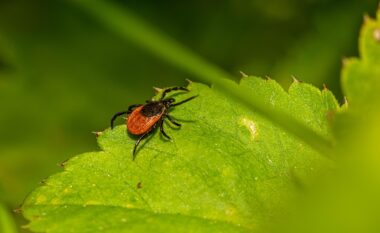
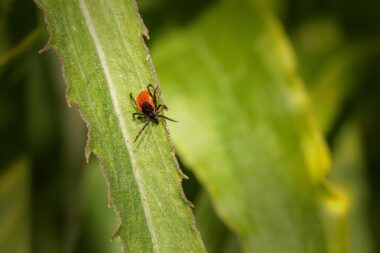
Ticks are ectoparasites that feed on the blood of their hosts, including cats. Understanding tick attachment is crucial for effective control and prevention. Ticks attach to their hosts using specialized mouthparts known as hypostomes. These structures anchor them securely, allowing the tick to feed for several days. Various species of ticks possess different modes of attachment. For instance, Ixodes scapularis, commonly called the black-legged tick, has backward-facing barbs that enhance its grip on the host. Once a tick attaches, it produces saliva that contains anti-coagulants, preventing the host’s blood from clotting. Ticks can transmit various diseases during this process, making attachment a health concern for cats. The physiological process of attachment starts with the tick locating an optimal feeding site through host scent and heat detection. This sensory input guides the tick to areas with less fur or skin irritation. Factors such as humidity and temperature significantly influence ticks’ feeding behaviors and survival. Understanding these factors can aid in creating effective prevention strategies to lower the risk of tick infestation and subsequent diseases in cats. This highlights the importance of informing cat owners about tick biology.
Ticks have a complex life cycle consisting of four stages: egg, larva, nymph, and adult. Each stage requires a blood meal for development, thus increasing interaction with potential hosts like cats. Larvae typically emerge from eggs in spring, seeking their first host to feed on. Once they obtain a blood meal, they molt into nymphs. Nymphs are opportunistic feeders often responsible for transmitting diseases as they seek hosts during late spring and summer. They can attach to a variety of hosts, including cats, dogs, and humans. Adults usually emerge in late summer or fall, seeking larger hosts for mating. After two blood meals, one for the nymph stage and one as an adult, they can reproduce and continue the life cycle. The biology of tick attachment highlights the importance of preventive measures at each life cycle stage. Regular grooming of cats, along with tick preventative medications, can drastically reduce the risks associated with ticks. It is essential for pet owners to understand that outdoor cats remain at a higher risk for tick infestation. Educating owners about these life cycle stages can empower them to take preventive actions diligently.
Ticks utilize various strategies to locate hosts effectively, including detecting carbon dioxide and body heat. These sensory skills allow ticks to react promptly to the presence of a potential host like a cat. Upon detecting these signals, ticks can engage in questing behavior, where they climb vegetation to increase their chances of encountering a host. Interestingly, ticks can sense vibrations as well, which can signal the approach of a host. This intricate biology allows ticks to adapt and thrive in their environments. Various environmental factors, including moisture and temperature, play a significant role in tick behavior and attachment. Warm and humid conditions are favorable for tick survival, making certain climates more conducive to tick infestations. Therefore, recognizing conditions that promote tick activity can assist pet owners in monitoring their cats effectively. Regular check-ups after outdoor explorations can help identify attached ticks before diseases are transmitted. Creating awareness about tick biology can drive more diligence among cat owners regarding tick prevention methods. Understanding tick attachment also aids veterinary professionals in providing better advice for cat owners on how to protect their furry companions adequately against potential infestations.
Effects of Tick Attachment on Cats
When ticks attach to cats, they cause various adverse effects on both the health and behavior of the pet. Attachment leads to blood loss, which can become significant depending on the number and size of ticks attached. In addition to blood loss, ticks can transmit several diseases that can jeopardize a cat’s health. Notably, conditions like Lyme disease, anaplasmosis, and tularemia are commonly associated with tick bites. Symptoms of diseased cats may range from lethargy to fever, so recognizing these signs early is vital. Furthermore, infestations can lead to skin irritations that may cause discomfort for the cat. Symptoms like itching or inflammation around the area can indicate a need for intervention. Maintaining an excellent grooming routine can help detect ticks early, reducing the chances of severe health issues. Monitoring behavior changes in cats can also provide crucial insights into their health status. These alterations may indicate discomfort, active infestations, or other health concerns. Quick action can prevent further complications from tick bites. Pet owners should remain vigilant and consult veterinarians for appropriate tick management treatments whenever needed.
Through research, scientists have developed an understanding of ticks’ saliva, which plays a critical role in their ability to attach and feed. Tick saliva contains varied biochemical components that can affect a host’s immune response, allowing the parasite to feed without attracting immediate attention. This enables ticks to stay attached longer, maximizing their blood meal intake without interruption. Additionally, the unique composition of tick saliva can facilitate the transmission of pathogens to cats during feeding. Understanding these mechanisms sheds light on the sophistication of tick biology and their adaptations as parasites. It also provides valuable knowledge for developing effective treatments to combat tick-borne diseases. Novel preventive measures targeting tick saliva components are being researched to create vaccines or other medical interventions. As science continues to advance, these insights can significantly improve tick management in domestic animals, including cats. Awareness of how ticks manipulate host biology through their saliva will offer new strategies for cat owners and veterinarians alike. By remaining informed, comprehensive tick control measures can be implemented, benefiting both pet and owner. Staying proactive is key in the fight against tick-borne diseases in cats.
Prevention and Management Strategies
Effective tick prevention begins with routine checks for ticks after every outdoor excursion. Cat owners should carefully examine their pets, focusing on areas where ticks may attach. These areas include around the ears, neck, and between the toes. Moreover, employing tick prevention products like topical medications or collars can significantly reduce infestation risks. Choosing the right products requires consultation with a veterinarian to address individual needs and lifestyle factors. Various options are available, including oral medications that prevent attachment and topical treatments. Routine grooming with special combs designed to remove ticks can also be effective. Awareness of peak tick seasons in your area will help cat owners take precautions accordingly. Regular veterinary check-ups are important for maintaining an overall health monitoring strategy for cats, ensuring any tick attachments are spotted early. Additionally, keeping yards well-maintained by mowing grass regularly and removing debris can reduce tick habitats and breeding grounds. Pet owners should educate themselves on seasonal patterns, as ticks thrive in specific conditions, thus enhancing their ability to manage prevention strategies. This proactive approach contributes significantly to maintaining a healthy, tick-free environment for feline companions.
In conclusion, understanding the biology behind tick attachment is vital for effective flea and tick control in cats. Comprehending the complex life cycles, attachment mechanisms, and ecological factors related to ticks empowers cat owners to take informed actions. Early detection, preventive products, and environmental management create a robust approach toward eliminating ticks. Educating pet owners about the necessity of proactive interventions is essential for protecting feline health. Comprehensive management practices can ultimately lead to decreased tick populations and the associated risks they pose to cats. Therefore, as information continues to evolve, collaboration among veterinarians, researchers, and cat owners can establish effective solutions for tick control. Emphasizing prevention will not only ensure a healthier life for cats but also contribute to the overall well-being of pets. With better understanding and shared knowledge, pet owners can cultivate healthier living environments for their cats, reducing risks attached to tick infestations. Continuous education on this subject remains a priority, supporting the ongoing efforts in the fight against tick-borne diseases. In a world where pet health is paramount, informed owners will always be the first line of defense against these parasites.
Future Directions in Tick Research
As research progresses, the future of tick biology and control is looking promising. Scientists are increasingly investigating the ecological roles ticks play in their environments, as they impact various species’ population dynamics. Understanding these roles is essential for establishing balance within ecosystems, which can indirectly affect domestic animals like cats. Additionally, the development of advanced tick management tools and strategies is a dynamic field of study. Genetic engineering and biotechnology may lead to innovative solutions, such as genetically modified ticks that are unable to reproduce or transmit diseases. Moreover, ongoing research into the composition of tick saliva can yield pivotal breakthroughs in vaccine development. As society places greater emphasis on sustainability, discovering environmentally friendly pest control methods will also become imperative. Exploring natural predation of ticks by other species may encourage a balanced approach to tick control without relying solely on chemical interventions. Future research must aim to integrate these various aspects into comprehensive tick management strategies that are both effective for cats and considerate of broader ecological impacts. With collaborative efforts in research, a better understanding of ticks will emerge, paving the way for healthier cat populations.