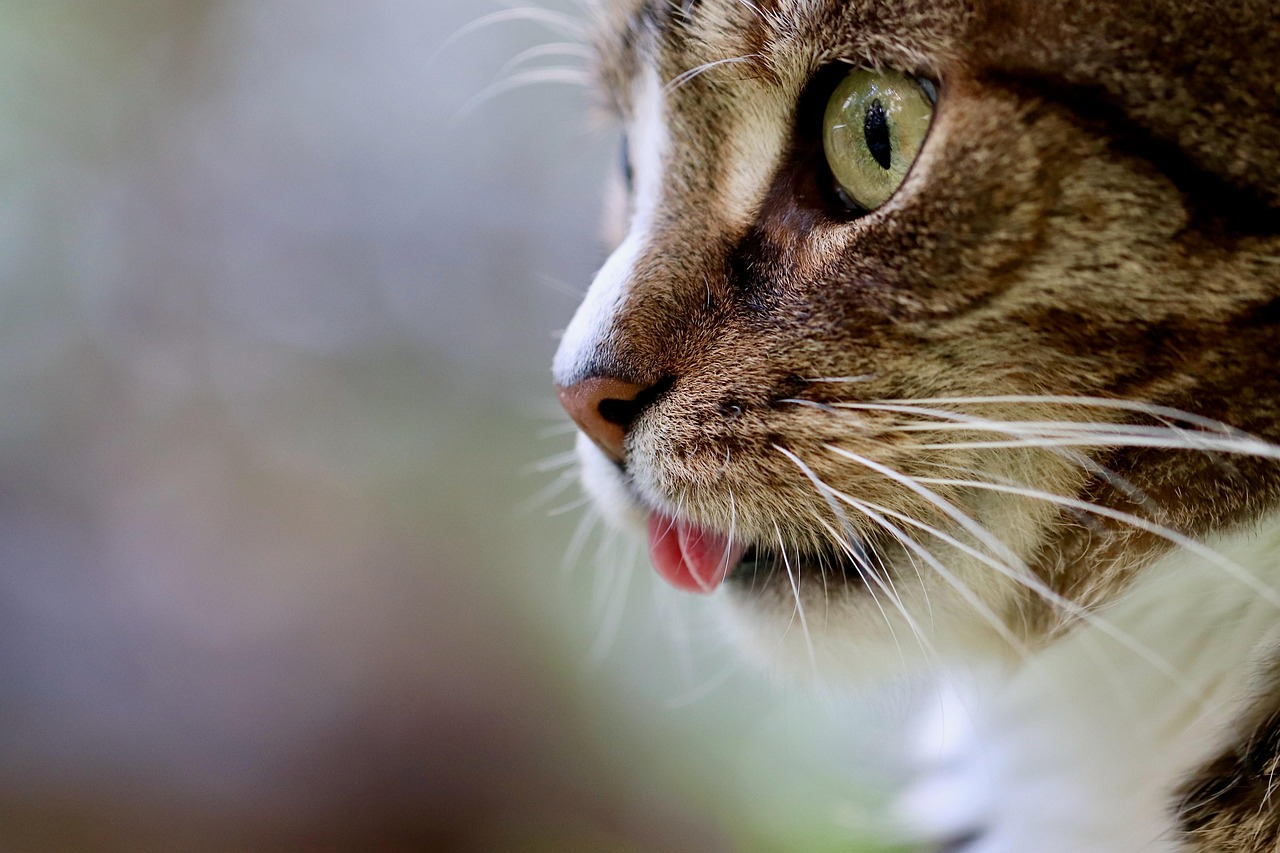

Understanding Respiratory Infections in Cats: Causes and Treatments
Respiratory infections in cats are common ailments that can significantly impact their health. Cats are susceptible to a range of infections that can affect their respiratory system, causing discomfort and necessitating veterinary intervention. Common causes of respiratory infections include viral, bacterial, and fungal pathogens. Viral infections such as feline herpesvirus and calicivirus are prevalent among felines, leading to upper respiratory symptoms typically characterized by nasal discharge, sneezing, and coughing. Additionally, since cats can be carriers of certain bacteria such as Bordetella bronchiseptica, they can also host respiratory infections without showing obvious signs, which poses a risk to other pets. Environmental factors, including exposure to cigarette smoke, dust, allergens, or pollutants, can exacerbate these infections. Also, stress from environmental changes, such as moving to a new home or the introduction of a new pet, can weaken a cat’s immune defenses, making them more susceptible. Consequently, recognizing the signs and prompt treatment of these infections becomes crucial to ensure a cat’s respiratory health. Thus, both preventive and curative measures are essential to manage respiratory infections effectively.
To adequately diagnose a respiratory infection in cats, a veterinarian will typically conduct a comprehensive examination. This includes assessing the cat’s medical history, understanding any recent changes in behavior, as well as evaluating clinical signs present. Common signs of respiratory distress in cats encompass labored breathing, excessive coughing, changes in appetite, and lethargy. The veterinarian may also recommend diagnostic tests such as blood tests, radiographs, or even endoscopy to gain deeper insights into the condition affecting the cat’s respiratory system. Testing for viral infections may include PCR testing, helping to pinpoint the specific pathogen responsible for the symptoms. Upon diagnosis, treatment can vary based on the underlying cause. For instance, if a viral infection is identified, supportive care may be warranted to help manage symptoms since there is no direct cure. This care often includes maintaining hydration, ensuring the cat gets adequate rest, and possibly providing antiviral medications. If a bacterial infection is involved, antibiotics may be prescribed to combat the issue. Early and effective intervention is paramount in preventing complications and ensuring a better outlook for recovery.
Preventive Measures for Respiratory Health
Preventive measures play a critical role in safeguarding cats against respiratory infections. Vaccination remains one of the most effective ways to protect cats from specific viral infections. Vaccines for feline herpesvirus and calicivirus are highly recommended for all cats, particularly those in multi-cat households or shelters where the risk of transmission is elevated. Additionally, keeping your cat indoors and minimizing exposure to outdoor risks, such as stray animals, can significantly reduce their chances of contracting respiratory pathogens. Regular cleaning of your cat’s living environment is vital, as it helps eliminate potential allergens or irritants that could trigger respiratory issues. Providing a stress-free environment is also essential, as stress can compromise an animal’s immune system. This includes ensuring that your cat has a safe space to retreat and providing mental enrichment to keep them stimulated and happy. Regular vet check-ups can also help in early identification of any signs of respiratory distress, helping in swift intervention. Overall, proactive management is key to maintaining optimal respiratory health in cats, allowing for a healthier and happier life.
Cats with pre-existing conditions, such as asthma or chronic bronchitis, require special attention to their respiratory health. These conditions can exacerbate the effects of respiratory infections, complicating an otherwise straightforward treatment plan. Asthmatic cats may experience increased inflammation and narrowing of the airways in the presence of an infection, which can lead to more severe respiratory distress. Identifying the specific triggers, whether they be allergens or pollutants, is essential in managing these cats. For instance, air purifiers can help minimize airborne irritants that could provoke an asthma attack. Likewise, keeping the litter box clean and ensuring good ventilation in their living spaces also promotes respiratory ease. Treatments for these chronic conditions may include bronchodilators or corticosteroids prescribed by a veterinarian, particularly during flare-ups associated with infections. Monitoring your cat’s behavior and respiratory signs during recovery is crucial to ensure that they do not experience further complications. Adopting a comprehensive approach tailored specifically for each cat’s individual needs is essential for successful management of respiratory infections, especially in those with underlying health issues.
Signs of Respiratory Distress
Identifying respiratory distress is pivotal in protecting your cat’s health. Common indicators include persistent coughing, wheezing, difficulty breathing, and nasal discharge. Regular observation of your cat’s behavior can help pet owners discern between normal and abnormal respiratory patterns. Cats may also exhibit changes in their vocalization, which could indicate discomfort. Another sign may be increased panting or rapid breathing, especially when at rest. Other manifestations of respiratory infections can include lethargy or reluctance to engage in play, which could be early signals of a health issue. An increased body temperature may also suggest the presence of an infection. Notably, cats are adept at hiding illness, making it essential to stay vigilant for these signs. If you notice any of these symptoms, it is crucial to consult with a veterinarian promptly. Early diagnosis can often lead to more effective treatment and a better prognosis for recovery. Being proactive allows for early intervention, reducing the risk of complications and facilitating a quicker return to health. Overall, the quicker a problem is identified, the better the chances are for successful treatment.
In addition to recognizing the signs of respiratory distress, understanding the treatment options available can empower cat owners. Treatment plans often vary based on the underlying cause of the respiratory infection and may include a combination of therapies. For viral infections, the primary focus is often on supportive care. This can involve medications to alleviate symptoms, such as anti-inflammatories to reduce swelling in the airways or decongestants to aid breathing. In cases of bacterial infections, antibiotic therapy is typically necessary to eradicate the infection. Moreover, for cats with severe symptoms or underlying health issues, hospitalization may be required to provide oxygen therapy or intravenous fluids to ensure adequate hydration and support. Regular follow-ups with the veterinarian will also be necessary to monitor the cat’s recovery progress and adjust treatment as needed. It’s essential that cat owners follow the prescribed treatment plan thoroughly, ensuring their feline companions have the best chance for a swift and complete recovery. Understanding all treatment possibilities and adhering to veterinarian guidance can greatly influence the outcome of respiratory health.
Conclusion
Understanding respiratory infections in cats is vital for every responsible cat owner. Awareness of causes, symptoms, and the importance of prompt veterinary care can safeguard not only the health of individual cats but also the broader feline community, especially in multi-pet households. Engaging in preventive measures such as vaccination, environment management, and providing a stress-free atmosphere can aid in reducing risks. Detecting changes in behavior or respiratory function early can lead to timely interventions. Owners should develop a relationship with their veterinarian to stay informed about best practices for ensuring respiratory health. Comprehensive knowledge empowers cat owners to take an active role in their pet’s health management, contributing to longer and healthier lives for their beloved companions. By taking the necessary precautions and being informed about the signs and treatment of respiratory infections, owners can minimize the risks associated with these conditions. It is essential to foster an environment for cats that promotes well-being while remaining vigilant for any signs of distress. Ultimately, proactive health measures lead to healthier, happier cats, enhancing the human-animal bond.
In summary, recognizing the signs and symptoms of respiratory infections in cats is critical for effective treatment. By implementing preventive measures and staying vigilant, cat owners can help safeguard their pets from respiratory ailments. Regular veterinary check-ups and prompt response to changes in health are key components in maintaining their well-being. Further, understanding the available treatment options enables owners to make informed decisions in partnership with their veterinarians. This article aims to encourage awareness and proactive management of respiratory health in cats, leading to improved outcomes and quality of life.