
Common Injuries in Cat Frisbee and How to Prevent Them
Frisbee and disc sports can provide both exercise and fun for cats. However, like any physical activity, these sports can lead to injuries if not practiced with care. Cats are agile creatures, but they can experience various injuries during play. The primary injuries that occur include strains and sprains. Strains are injuries to muscles or tendons, while sprains affect ligaments. Both can be painful and may require veterinary attention. Other injuries can include cuts or abrasions from rough terrain where the game is being played. In severe cases, cats can suffer from fractures if they land awkwardly. Proper warm-ups before engaging in frisbee play can help prepare your cat’s muscles. Cooling down afterward is equally important. Injury prevention also involves using appropriate discs designed for pets, as well as ensuring the play area is free from hazards. Additionally, regular veterinary check-ups can assist in identifying any underlying health issues that might increase injury risk. Observing your cat’s behavior during play can indicate any discomfort or unusual signs which require immediate attention. Understanding these injuries and prevention methods will allow for safer play.
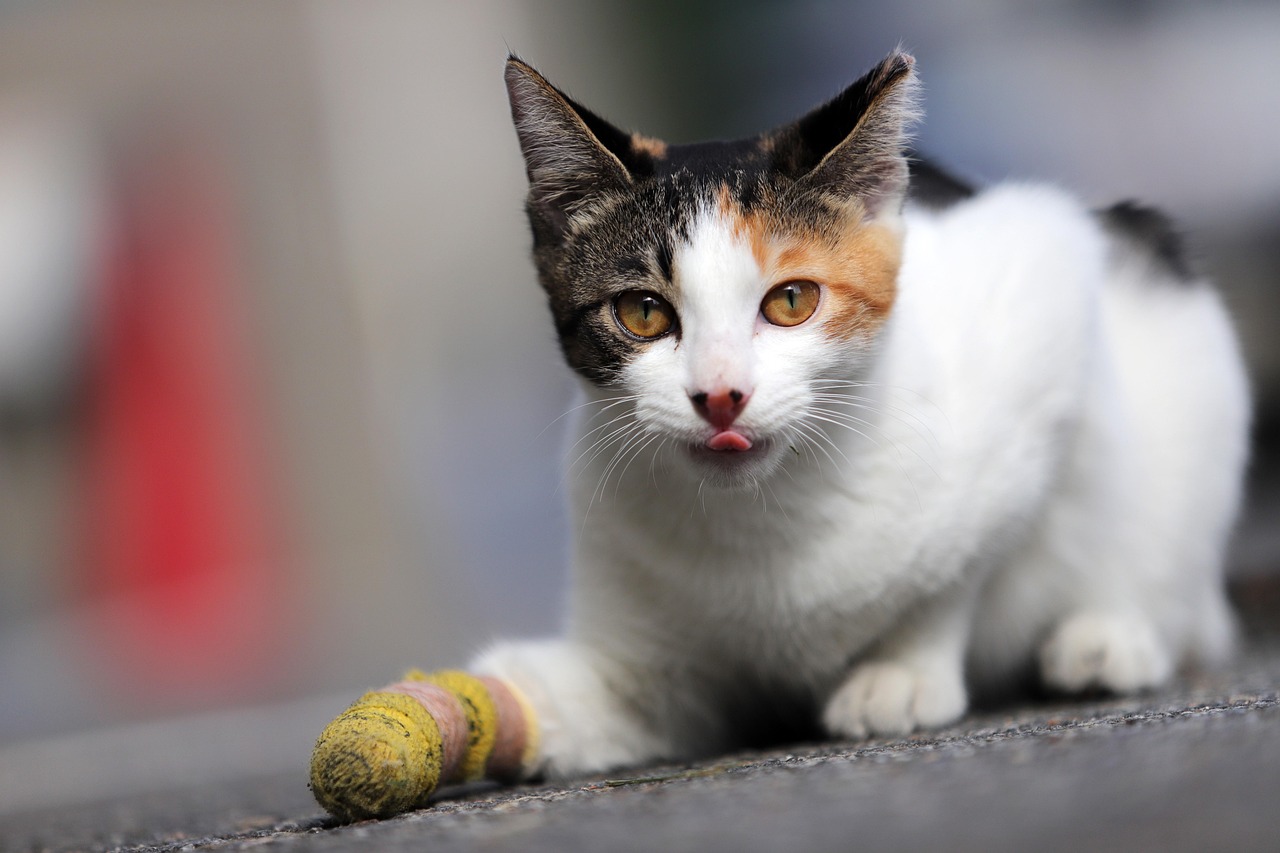
One common injury in cat frisbee play is paw injuries, which can occur when your cat lands hard after a jump. Cats can also suffer from nail injuries if their claws get caught in the fabric of a frisbee or a rough surface. To minimize the risk of paw injuries, consider trimming your cat’s nails regularly, as this can reduce the likelihood of snagging. Additionally, use a softer frisbee designed for pets that won’t hurt your cat’s paws during play. Observing the playing surface is advisable because rough or uneven surfaces can increase the chance of related injuries significantly. Ensuring a smooth, grassy area to play will provide a safer environment for your cat. Monitoring your cat for signs of discomfort or fatigue during play can also decrease injury risks. After vigorous activities, always check your pet’s paws for any signs of injury or discomfort. It’s vital to give your cat time to rest and recuperate after an active session. Following these methods can help keep your frisbee play enjoyable and as injury-free as possible, which may lead to longer and happier games with your beloved feline companion.
Another important aspect to be aware of in cat frisbee play is the possibility of overexertion injuries. Cats can be very enthusiastic and might push themselves too hard, leading to exhaustion or muscle injuries. Overexertion injuries can usually be identified by excessive panting, unwillingness to engage in the activity, or limping. To prevent these kinds of injuries, schedule regular breaks during your frisbee play sessions. Pay attention to how your cat responds and ensure they’re not getting too tired. Setting realistic expectations regarding the duration and intensity of play will also help manage your cat’s energy efficiently. It’s essential to gradually increase the intensity of play to build endurance safely. Furthermore, offering plenty of hydration during breaks is critical, as dehydration can exacerbate fatigue. Alongside routine water breaks, consider also providing small treats to maintain energy levels without promoting excessive eating. Creating a structured playtime regimen will keep your cat healthy, prevent overstraining, and ensure their safety while enjoying frisbee sports together. Observing these guidelines leads to a rewarding experience for both you and your cat, allowing for much enjoyment.
Signs of Injury to Watch For
Being aware of the signs of injury during cat frisbee play is crucial for your feline’s well-being. Your cat may experience symptoms like limping, yowling, or reluctance to jump or run. Look out for swelling around joints or signs of pain when you touch certain areas. Recognizing these signs early can lead to quicker resolutions and prevent more severe issues from developing. If your cat refuses to engage in their usual play behaviors or displays unusual lethargy, it’s time to assess the situation seriously. It’s also a good idea to periodically check for changes in behavior following your frisbee activities, as these could indicate stress or discomfort. Prompt veterinary intervention is vital if injuries are suspected, ensuring your pet receives the right care and treatment. After any noticeable changes in behavior, documenting your cat’s history can also aid your veterinarian in determining the best course of action. Adopting a cautious approach when you observe these symptoms helps ensure your cat remains healthy. Keeping a watchful eye allows you to provide the safest and most enjoyable frisbee experiences for your feline friend, preventing potential worsening of injuries.
Another frequent injury associated with cat frisbee activities is heat-related issues, especially on warmer days. Cats can be susceptible to heat stress or overheating during vigorous play sessions, leading to potentially life-threatening situations. Symptoms of heat exhaustion or heat stroke include excessive panting, lethargy, drooling, and difficulty in breathing. To prevent heat-related injuries, always ensure your cat has access to fresh water before, during, and after play. Playing during the cooler parts of the day, such as morning or evening, can also help minimize heat exposure. Providing shaded areas during outdoor play will give your pet a place to cool down as needed. Pay attention to your cat’s behavior during play for signs of overheating, and immediately stop the activity if you notice any concerning symptoms. Allow ample time for breaks and ensure your cat can rest in a cool environment. Keep your veterinarian informed about any heat-related incidents and consider developing a heat workout plan for hot days to maintain your cat’s safety at all times. Learning the signs of heat stress and taking precautionary measures can help avoid dire situations.
Equipment Considerations
When engaging in cat frisbee activities, it’s important to consider the type of equipment used. Many frisbees on the market today are made for dog play, which might not be suitable for your cat. Strong materials can cause injuries to a cat’s mouth or paws. Instead, opt for frisbees specifically designed for feline athletes, featuring softer edges and pet-friendly materials. Verify that the frisbee is lightweight, as a heavy disk can strain your cat if thrown frequently. Look for options made from durable yet soft plastic or rubber designs, promoting a safer playing experience. Avoid using any equipment that can easily break apart or pose choking hazards. Additionally, inspect the frisbee regularly for any signs of wear and tear, ensuring it remains safe for use. Make sure that you’re also wearing proper attire; comfortable clothing allows for easy movement during play. If you’re throwing the disc for your cat, ensure you maintain good form to avoid straining your own body. Investing in quality equipment is a small price to pay for the safety and joy of your feline’s playing experience. Ensuring your cat only plays with the best gear promotes safer playtimes together.
In summary, understanding the potential injuries related to cat frisbee sports is crucial for any pet owner who loves engaging their cats in physical activities. Prevention is vital, and knowing how to mitigate risks will lead to a healthier and more enjoyable experience. Regularly monitoring your cat for any signs of injury can lead to early intervention, which may prevent serious complications. Providing a safe environment to play, incorporating proper equipment, and being attentive to your pet’s comfort will significantly decrease any chance of injury. Also, gradually increasing the intensity of activities allows your cat to build strength without overexerting themselves. Making hydration and breaks integral parts of frisbee play sessions will ensure that your cat remains safe and healthy. Remember, your cat’s enjoyment of frisbee play heavily relies on their safety; hence, striking a balance between fun and caution is essential. Consult your veterinarian if injuries do happen or if any concerning symptoms develop. Prioritizing your feline’s well-being will help cultivate a love for frisbee play while minimizing risks and providing countless joyful moments together. Educate yourself, take action, and cherish the time spent with your four-legged friend.
Lastly, it’s essential to be aware of your cat’s age and physical condition when engaging in frisbee activities. Older cats, or those with pre-existing conditions, should approach the sport differently compared to younger cats. Low-impact exercises may be more appropriate for senior cats to prevent injuries while still allowing them to stay active. Always consult with your veterinarian before introducing frisbee sports or any new activities to your older cat. Also, monitor for signs of fatigue or discomfort closely in senior pets. Setting time limits on gameplay based on your cat’s age and fitness level is crucial to maintain their health. For younger cats, while they may be more capable of extensive play, it’s still important to ensure they are not overdoing it. Adapting the intensity of the play to suit individual fitness levels, your cat’s own specific needs will also promote a healthier lifestyle. Taking into account each cat’s unique attributes helps create a fun atmosphere and minimizes risks. Always remember that play should remain enjoyable, and considering these adjustments will lead to safer and more productive frisbee sessions for everyone involved.