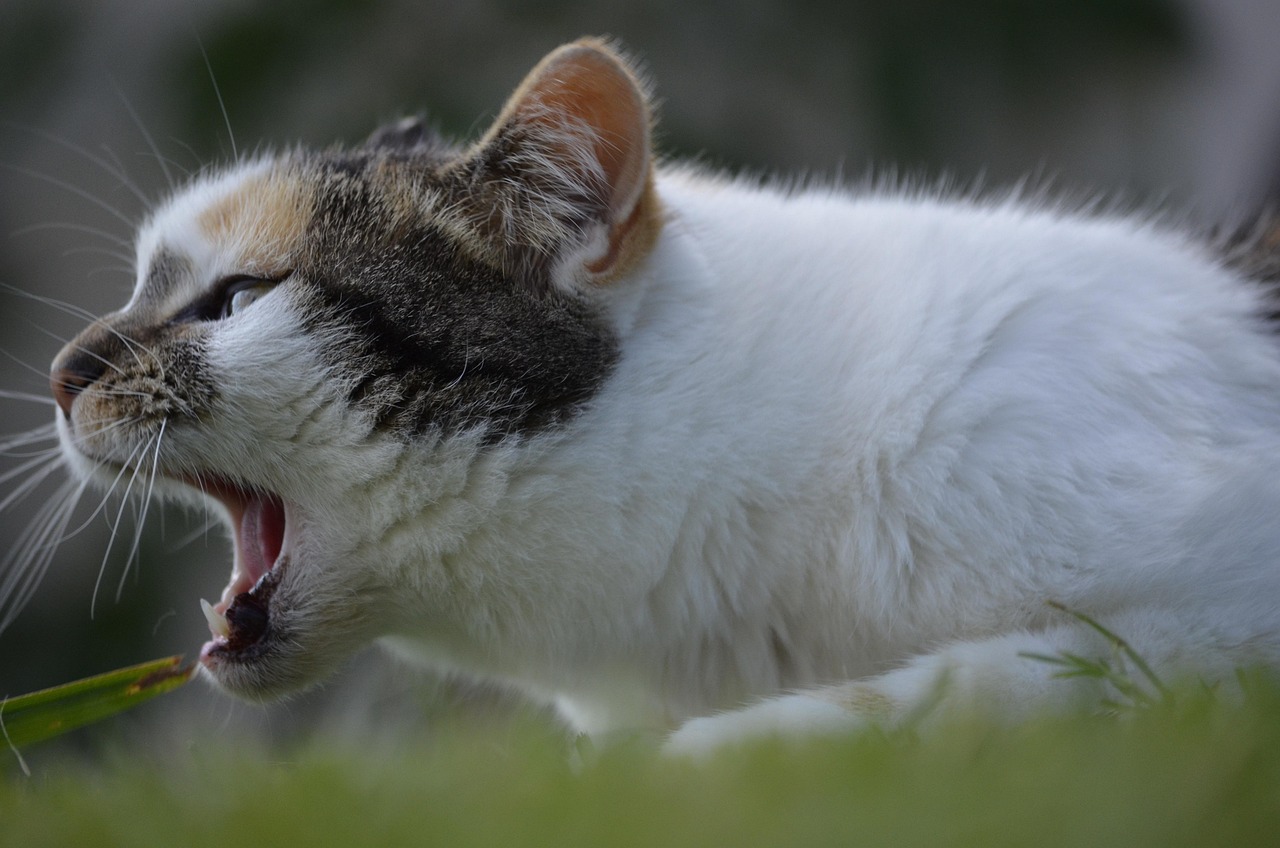

Vocalizations in Domestic Cats: Types and Meanings
Domestic cats communicate through various vocalizations, often unique to their species. Understanding these sounds is crucial for pet owners to address their feline companions’ needs effectively. Cat vocalizations can be classified into several types including meows, purrs, growls, and chirps. Each type carries specific meanings depending on the context. For instance, a cat might meow to greet you, seek attention, or indicate hunger. Observing a cat’s body language alongside vocalizations can help decipher their messages further. Additionally, the pitch and volume can provide extra context to their intent or emotional state. While some cats may develop a distinctive pattern of communication with their owners, others can be more reserved, vocalizing less frequently. It’s fascinating to note that cat vocalizations can vary widely between individual cats. This reinforces the importance of understanding each cat’s unique way of expressing itself. In the following sections, we will delve deeper into specific types of vocalizations and their meanings, exploring how these sounds affect the human-cat bond and overall pet care.
The Meow: A Versatile Communication Tool
The meow is perhaps the most recognized vocalization among domestic cats, serving as a versatile communication tool. Cats use meows in various situations, often tailored to their human companions. For example, a short, soft meow may indicate a friendly greeting, while a prolonged meow can signal annoyance or a demand for immediate attention. Interestingly, adult cats typically reserve meowing for human interaction, suggesting that they have developed this vocalization as a way to manage their relationship with people. Within this category, meows also vary in tone and intensity; higher-pitched sounds often convey excitement or distress, while lower-pitched meows may express displeasure. By paying attention to these nuances, owners can better interpret their cat’s emotions and needs. Understanding when and how your cat meows enables better communication and response. Moreover, it fosters a stronger bond between the cat and owner, ultimately improving the overall quality of life for both. As we explore other vocalizations, you’ll see how the meow compares to other sounds in a domestic cat’s vocal repertoire.
Purring is another significant vocalization in cats, often associated with contentment and relaxation. Typically, cats purr when they are comfortable, such as when being petted or while resting in a favorite spot. However, purring can also occur during stressful times, such as when a cat is afraid or unwell. This duality highlights the complexity of feline vocalizations; it is not purely an indicator of happiness. Many experts believe that purring may serve a self-soothing function, helping cats calm themselves in stressful situations. Additionally, research indicates that the frequency of purring vibrations may possess healing properties, benefitting both physical and emotional well-being. Understanding these nuances allows owners to respond appropriately to their cats’ needs. For instance, a cat that begins purring while being petted may simply want more affection, while an unusually persistent purr may signal distress. By observing changes in vocal patterns along with body language, owners can better gauge their furry friend’s state. This understanding helps improve the quality of companionship and ensures the cat feels secure in its environment.
Chirps and Trills: Cat Calling Cards
Chirps and trills are vocalizations often used by cats to communicate with their kittens or fellow felines. These shorter, higher-pitched sounds are not just childlike; they also convey excitement or an invitation to engage. When a cat encounters something intriguing, such as a bird outside a window, it might produce these sounds to express its enthusiasm. This behavior can be particularly noticeable in hunting scenarios, where a cat’s instinct to attract attention plays a role. Additionally, cats may chirp or trill as a way to communicate with their owners, attempting to include them in their excitement. Recognizing chirps and trills as distinct forms of communication enriches our understanding of felines. Pet owners should take this into account when observing their pets, noting when these sounds occur for effective response. Furthermore, fostering an environment where cats feel comfortable expressing themselves adds to their well-being. By tuning in to these unique vocalizations, owners can enhance their relationship with their cat and develop a shared connection through this engaging form of communication.
Growls and hisses are vocalizations that indicate discomfort, aggression, or fear in cats. These sounds are not often used in positive interactions; instead, they serve as warnings. When a cat growls or hisses, it is expressing its displeasure or desire for personal space. Recognizing these vocalizations as a signal to reassess the situation is crucial for pet owners to avoid potential conflicts. These aggressive sounds often accompany defensive body language, such as arched backs and puffed fur. It is essential to observe the context in which these sounds occur, as they can indicate various stressors leading to such vocalizations. Factors like unfamiliar pets, loud noises, or changes in the environment may trigger these reactions. By learning to identify the circumstances under which their cats growl or hiss, owners can take proactive steps to mitigate stress and ensure their cats feel secure. Ultimately, understanding these vocalizations leads to a deeper comprehension of feline behavior and aids in fostering a more harmonious household for both cats and their human companions.
The Language of Cats: Understanding Emotional Context
Understanding cat vocalizations requires not only attention to the sounds but also to the emotional context in which they occur. Each cat is unique, and their vocal expressions can reveal a great deal about their emotional state and needs. A change in vocalization frequency or the introduction of new sounds may indicate shifts in health or emotional well-being. Owners should be particularly aware of their cat’s typical vocalization patterns, as any sudden changes can serve as key indicators of underlying issues. In addition, factors such as breed and age can influence vocalization habits. For example, Siamese cats are known for their vocal nature, often expressing themselves more freely compared to other breeds. Understanding the nuances in your cat’s vocalizations fosters empathy and enhances communication. This attentiveness creates a space where caregivers can ensure their cats feel heard and valued. Additionally, owners who invest time in understanding their cats’ vocalizations contribute to their pets’ social and emotional needs being met in meaningful ways.
In conclusion, vocalizations in domestic cats offer a fascinating glimpse into their behavioral patterns and emotional states. Understanding these sounds not only strengthens the relationship between cats and their owners but also promotes their overall well-being. By recognizing meows, purrs, chirps, trills, growls, and hisses, pet owners can better respond to their feline companions. Each sound carries its unique meaning and context and serves as a crucial tool for effective communication. As we have seen, paying attention to vocalizations goes hand-in-hand with observing body language, ensuring a comprehensive understanding of a cat’s needs. Fostering this knowledge allows for proactive care, addressing potential issues before they escalate. The bond between cats and humans can significantly improve through effective communication, enhancing the experience of pet ownership. Continued education on feline vocalizations will aid in fostering an empathetic and responsive relationship with our pets. Cotton a keen ear and a watchful eye can help create a nurturing environment where cats thrive, something that is truly rewarding for both feline friends and their human companions alike.
Conclusion
In conclusion, vocalizations in domestic cats offer a fascinating glimpse into their behavioral patterns and emotional states. Understanding these sounds not only strengthens the relationship between cats and their owners but also promotes their overall well-being. By recognizing meows, purrs, chirps, trills, growls, and hisses, pet owners can better respond to their feline companions. Each sound carries its unique meaning and context and serves as a crucial tool for effective communication. As we have seen, paying attention to vocalizations goes hand-in-hand with observing body language, ensuring a comprehensive understanding of a cat’s needs. Fostering this knowledge allows for proactive care, addressing potential issues before they escalate. The bond between cats and humans can significantly improve through effective communication, enhancing the experience of pet ownership. Continued education on feline vocalizations will aid in fostering an empathetic and responsive relationship with our pets. Cotton a keen ear and a watchful eye can help create a nurturing environment where cats thrive, something that is truly rewarding for both feline friends and their human companions alike.