
Are Kittens Always Playful? Debunking Behavior Myths
Many people believe that kittens are constantly playful, but this is a common misconception. While they do enjoy playing, their behavior varies greatly based on individual personality and environmental factors. Just like humans, each kitten has its own temperament. Some may be energetic and playful, while others may prefer to relax. Understanding that a kitten’s energy levels fluctuate can help owners manage expectations. A kitten’s developmental stage also plays a role; younger kittens may have bursts of energy, while older kittens might be more subdued. It’s crucial to provide engaging toys and interaction to keep their interest. A lack of play can lead to boredom, causing them to become less active. Noticing when your kitten is most active can help you create a play routine that fits their natural cycles. Always observe their behavior and adjust your interactions accordingly. Consider enriching their environment with scratching posts, climbing structures, and various toys to stimulate their instincts. Remember, each kitten is unique, and their playfulness depends on various factors. By recognizing these differences, you can create a fulfilling environment for your kitten’s well-being.
Another common myth is that all kittens grow up to be affectionate pets. While many kittens do enjoy human companionship, this isn’t universal. Kittens are social animals but their affection is shaped by genetics, early experiences, and socialization. A kitten that has had an abundant amount of positive contact with humans during its formative weeks is more likely to grow up sociable. However, shy or fearful kittens can develop into independent cats with minimal companionship needs. Early socialization is vital for developing a friendly and affectionate demeanor. If a kitten is not properly socialized, they might not interact as positively with humans as one that has been well-adjusted. It’s important to expose them to various stimuli, including different sounds, people, and other animals. Understanding a kitten’s comfort level is essential. Some may take longer to warm up to new situations or persons. Owners should be patient, allowing their kitten to decide when to engage in affection. Positive and gentle interactions can help promote trust. Every kitten’s path to affectionate behavior is different, taking time and care.
Understanding Kitten Behavior Patterns
Kitten behavior is not entirely random; rather, it follows specific patterns influenced by their instincts. One popular belief is that kittens are born with an instinct to play and chase. Indeed, kittens do have a natural instinct to hunt, but their playfulness is learned through interactions with their environment and caretakers. They observe and mimic behaviors, honing their skills during play. Play fulfills essential developmental needs, allowing them to build coordination and strength, which are vital for future hunting. Kittens engage in play fighting, mock chasing, and exploring their surroundings as part of this learning process. Providing appropriate outlets for this energy ensures healthy development and reduces potential behavioral issues later on. Engaging in interactive play with your kitten can strengthen your bond while providing vital exercise. Late-night zoomies are often a phase for many kittens as they choose their active hours. Owners might notice that some kittens are diurnal while others become more active during twilight. Understanding your kitten’s patterns will help you adapt playtime schedules accordingly. Structured playtime, alongside quiet resting areas, balances activity and rest effectively.
Another prevalent myth is that all kittens universally dislike water. While most felines tend to be averse to water, there are exceptions. Many kittens, especially those raised in water environments, might find enjoyment and comfort in it. Breeds like the Maine Coon or the Turkish Van are known to exhibit a fondness for water. This can be surprising for owners who assume all kittens will shy away from baths or pools. In fact, proper introduction to water at an early age can encourage a more positive association. It is prudent to supervise any water-related activities to ensure safety. Always introduce the concept of bathing or involvement in water slowly and positively using treats or toys. Bathing can be beneficial in specific cases, such as health concerns, so becoming accustomed to water may be necessary for some kittens. Ultimately, each kitten’s reaction to water is individualized. Therefore, clarify your kitten’s preferences before forcing them into situations they dislike. Understanding your kitten’s feelings is vital in helping them trust and adapt to their surroundings.
Myth of Climbing Trees
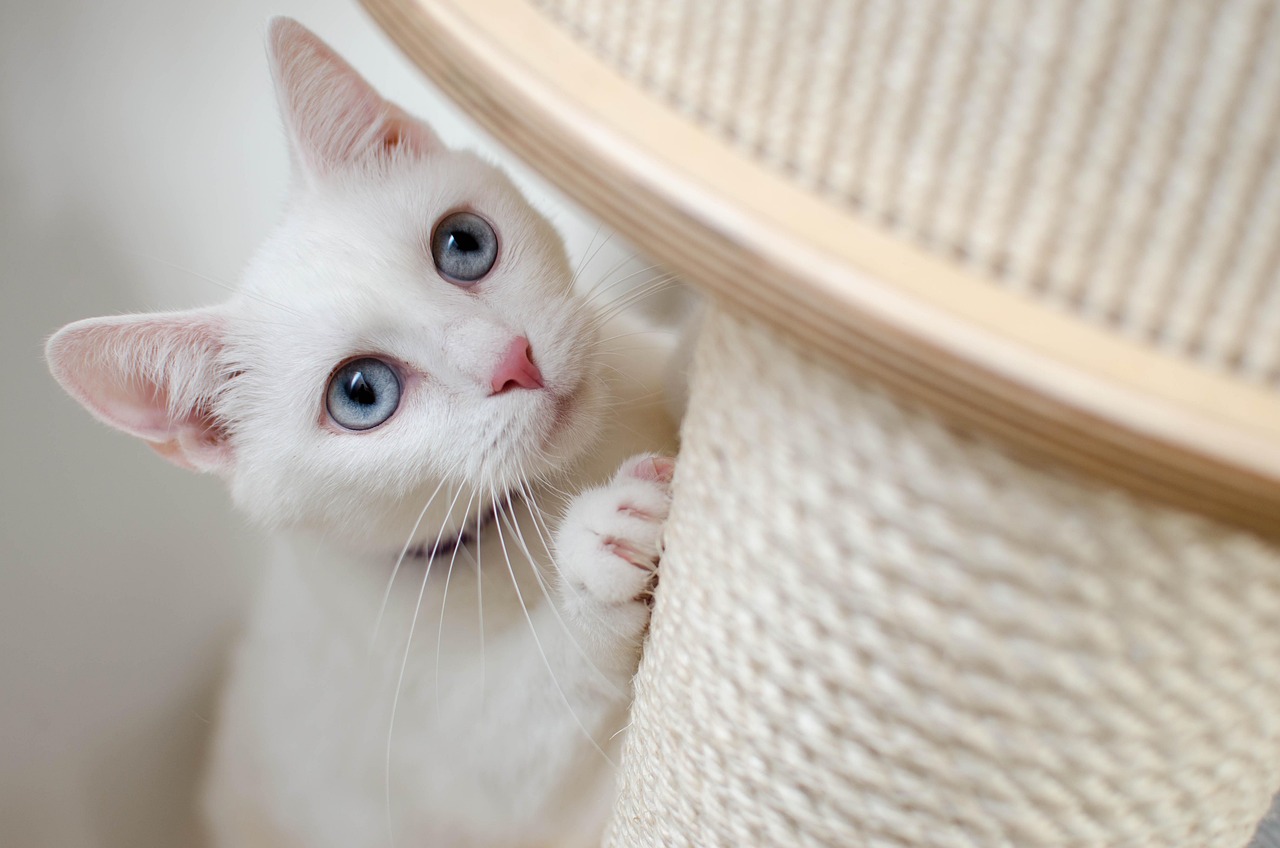
Many believe that all kittens are natural climbers, taking to heights without hesitation. While climbing is inherent in kittens, some may exhibit fear or reluctance toward height. This behavior is often shaped by their initial brush with climbing in a safe environment. Kittens that have opportunities to explore their climbing instincts in a secure and controlled manner may develop confidence. Conversely, those without stimulating environments may become hesitant or fearful. Providing safe outlets like scratching posts or trees can encourage exploration and a sense of security. It’s crucial to understand that climbing helps them develop physical strength and coordination but should always be managed carefully. A safe climbing structure helps kittens engage their curiosity while keeping them secure. Supervision and safe environments minimize injuries and build confidence in climbing abilities. Not all kittens will be inclined to climb, and some may prefer basking or playing on the ground. Owners should respect individual choices and provide a variety of environments to suit all preferences. By embracing each kitten’s unique approach to climbing, you foster a playful attitude toward their surroundings.
One common myth surrounding kittens is that they are self-sufficient and do not require grooming. While cats are known for their self-grooming behavior, kittens still benefit significantly from owner involvement. Early grooming instills a positive grooming experience and helps create trust between owners and their kittens. It’s important to start grooming habits early to prevent matting and discomfort as they grow older. Regular grooming sessions also allow owners to check for any skin issues, parasites, or lumps that may need attention. Introducing kitten grooming gently with brushes can help them feel comfortable. Kittens often enjoy the sensation of being brushed, and it mimics the comfort they receive from their mothers. Using treats during grooming establishes a positive experience. Once they are accustomed to brushing, owners will find that engaging in grooming can be an enjoyable interaction. Additionally, different breeds have varying grooming needs, so pet owners should be prepared for specific requirements related to their kitten’s coat type. By incorporating grooming into your routine, you can aid in maintaining a healthy coat and skin for your kitten.
The Reality of Kitten Behavior Routines
Lastly, there is a misconception that kittens do not have a specific routine, as many believe they simply follow their whims. In reality, kittens thrive on patterns in their daily activities. Establishing a consistent routine leads to feelings of security, reducing anxiety. Routines can include feeding schedules, playtime, and rest periods. By maintaining a sense of stability, kittens will adapt more quickly to their new homes. Predictable environments allow them to develop a sense of comfort, leading to more confident and relaxed behavior during play. Observing when your kitten is most active helps to determine the best times for engaging in stimulating activities. It’s also essential to create routines regarding litter box habits to maintain clean and sanitary conditions. By being consistent in all areas, owners can predict their kitten’s needs efficiently. Know that developmental stages can affect routine adaptability, as some kittens may need extra time to adjust. By acknowledging these patterns, owners can foster a happy and healthy living space for their beloved kitten. In conclusion, understanding these myths aids in providing proper kitten care, ensuring their development into well-adjusted adult cats.
Understanding the nuances of kitten behavior is essential for any new kitten parent. By debunking common myths, you can provide a nurturing environment that fosters healthy habits and reduces stress. Learning that all kittens are not identical in their playfulness, affections, and fears brings new insight into their behavioral complexities. Acknowledging your kitten’s individuality leads to more satisfying interactions, relieving anxiety for both owner and pet. Building an awareness around practices such as grooming and aquatic encounters creates positive lifelong habits. It’s essential to understand their instinctual behaviors and how they interact with their environment, making life enriching for them and their owners. Regularly engaging in play and being mindful of routines supports their overall well-being. Moreover, supervision during explorations and new experiences ensures safety. As you learn to appreciate the depth of kitten behavior, you gain valuable insight into their emotional and physical needs. In turn, this understanding facilitates trust and companionship between you and your kitten. Investing time and effort into learning about your feline friend leads to a cherished relationship, full of joyful moments and nurturing bonds. Therefore, embrace the opportunity to cultivate knowledge about your kitten’s behavior and preferences.