
How to Monitor Your Cat’s Health Through the Renovation Process
Renovating your home can be an exciting time filled with fresh beginnings. However, it also introduces new challenges, particularly for our furry friends. Cats can be sensitive to changes in their environment, and renovations can be stressful for them. As homeowners embark on renovation projects, it’s crucial to prioritize the safety and health of their cats. Ensuring a safe space for your cat during this time requires attention to detail. Create safe zones within your home where your cat is not exposed to noise or danger. Monitor your cat’s behavior closely for any signs of anxiety or distress. If your cat exhibits unusual behavior, it may be time to assess their environment. You must make sure that your renovation activities do not compromise their safety. Proper planning can help manage your cat’s health through these changes. This article will dive into effective strategies to maintain your cat’s well-being while home improvements occur. The goal is to provide a loving and secure atmosphere for your feline companions during potentially chaotic times.
Before diving into the renovation process, it’s key to prepare your cat for the upcoming changes. Begin by creating a safe and comfortable space away from the noise and chaos of construction. Room segregation is essential during this period; hence dedicate a quiet area for your cat. This space could be a bedroom or any room that minimizes noise intrusion. It’s also critical to provide your cat with their essentials, including food, water, and a litter box, within their safe zone. Consider using calming products, such as pheromone diffusers, may help alleviate anxiety. Monitoring your cat’s health during renovations should involve checking for behavioral signs of stress. Pay careful attention to their eating habits, litter box usage, and activity levels. If you notice changes, it could signal distress stemming from the renovation activities. Engage in regular playtime or cuddle sessions, offering reassurance to calm any fears they might be having. Lastly, keeping the space clean and familiar aids in making your cat feel secure amidst the changes. This proactive approach ensures that your cat’s needs remain a priority during your home renovations.
Understanding Cat Behavior
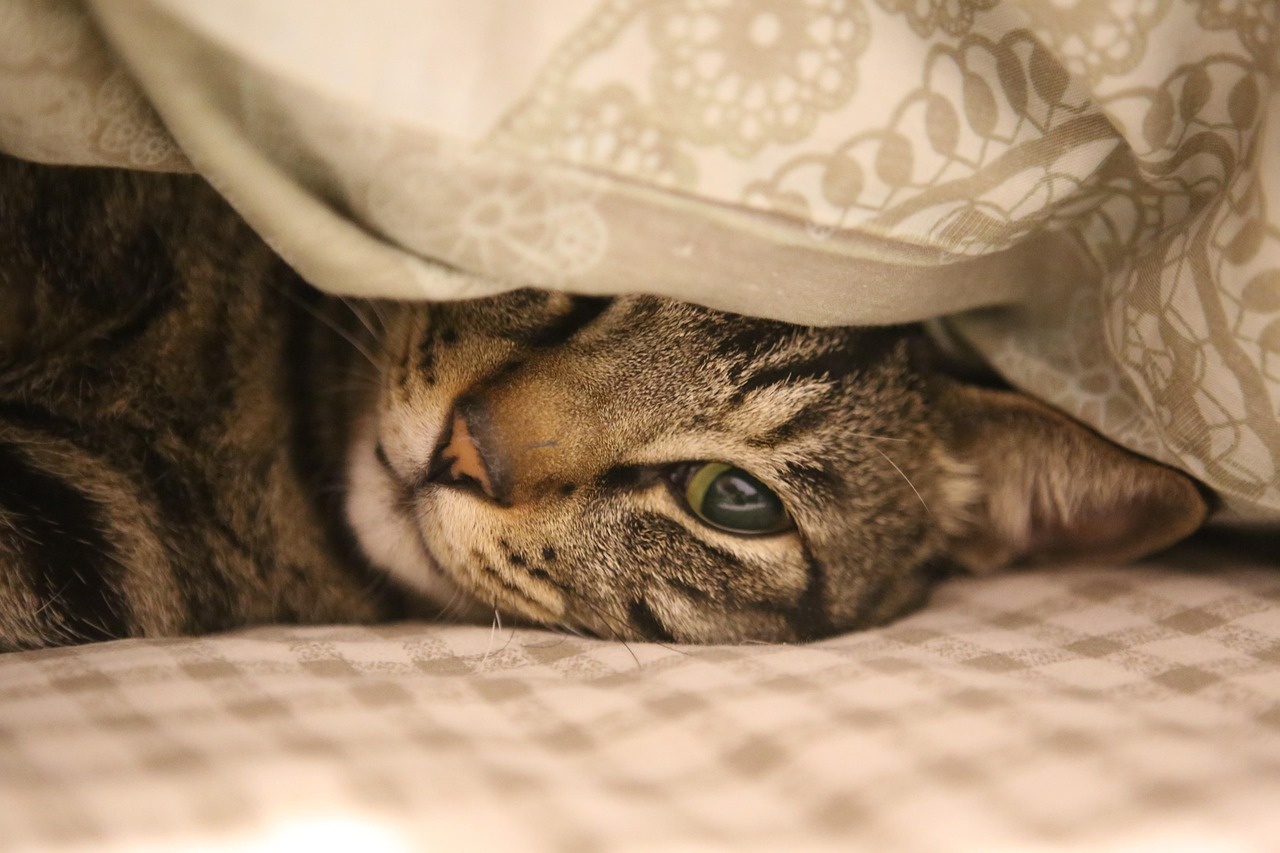
Understanding your cat’s behavior is essential during the renovation process. Each cat may react differently to stressful situations. Some cats become withdrawn, preferring to hide, while others may exhibit signs of aggression or increased anxiety. The first step in managing these behaviors is to recognize normal versus abnormal actions. For example, if your cat hides under the bed or doesn’t come out at all, it might be a response to fear or anxiety caused by the noise and disruption. Monitor how your cat interacts with their environment as the renovations progress. Provide high perches or quiet places where they can observe from a distance. Giving your cat control over their surroundings can be greatly beneficial for their mental and emotional health. Regularly engage your cat with toys and activities that capture their interest, helping to distract them from the stressors outside. The key to keeping your cat healthy during home improvements lies in understanding their body language and reactions. Utilize techniques like gentle talking and inviting them to join you in peaceful activities to foster a feeling of safety and connection during the renovations.
Another significant aspect of maintaining your cat’s health during renovations is to minimize exposure to hazardous materials. Building materials, dust, and chemicals can be toxic to pets. Make sure that any paint, glue, or similar substances are sealed or stored securely, out of your cat’s reach. Ventilation is important as well; therefore, keeping windows open or using fans can help disperse potentially harmful fumes. Use pet-friendly products wherever possible—many brands now offer non-toxic alternatives for paints and adhesives designed specifically for homes with pets. If your renovation includes any old structures, be cautious of dangerous materials like asbestos. Consult with professionals to ensure your home remains safe and healthy for your cat. It could be helpful to have a trusted friend or family member care for your cat during particularly messy tasks. Proper planning of the renovation schedule will allow for phases where your cat can return safely. Ultimately, ensuring a low-risk environment during renovations aligns with a healthy, happy lifestyle for your cat.
Consult a Veterinarian
During the renovation process, consulting your veterinarian can provide insights specific to your cat’s health needs. Prior to starting renovations, consider scheduling a check-up to ensure your cat is in good health. Discuss any concerns you have regarding how stress may impact their well-being. Your veterinarian may be able to recommend calming supplements or medication to help manage anxiety. Keeping an open line of communication with your vet allows for proactive measures that support your cat’s health. In some cases, the vet may suggest behavioral modifications or training to help your cat adapt to changes in their routine. If you notice significant behavioral shifts in your cat, report these changes back to your vet promptly. They may recommend further assessments or adjustments to your approach with your cat. Engaging with your veterinarian throughout the renovation provides valuable information and alleviates potential health concerns for your pet. Your vet’s expertise can guide you in making informed decisions to help your cat navigate the changes more comfortably, ensuring a smooth transition for both the cat and their humans.
Keeping a consistent routine is paramount for your cat’s health during renovations. As disruptions may arise, daily schedules help your cat adapt to changes more easily. Cats thrive on predictability, so maintaining feeding times, play sessions, and cuddle times consistently allows them to feel secure amidst the upheaval. While the environment changes, try your best to follow through with regular interactions to provide comfort. The importance of playtime cannot be overstated; dedicating time daily to engage with your cat using interactive toys provides mental stimulation and physical exercise during stressful periods. Moreover, creating opportunities for your cat to explore their safe areas can retain a sense of familiarity. Remember that your cat may need extra attention and reassurance during the renovation process, so be patient with them. Slowly introducing your cat to new areas as they become available can also help them feel less overwhelmed. Understanding your cat’s need for routine coupled with love and attention aids in ensuring their health remains a priority throughout the renovation period.
Post-Renovation Care for Your Cat
Once renovations are complete, your responsibilities toward your cat continue. Transitioning back into their home can feel overwhelming for your cat, given the new changes in their environment. Gradually reintroduce your cat to areas that had undergone significant changes, taking your time to allow them to explore new spaces. New smells, textures, and colors can be confusing for them. Monitor your cat closely during this period for any signs of stress or distress—behavioral changes should not be underestimated. Continue providing your cat with their routines and comfort objects, as these can help bolster their sense of security. If any part of your home is especially unfamiliar, it may be wise to limit access initially to help them acclimate. Additionally, re-engage in their normal activities; playtime should remain a focus to encourage your cat’s mental and physical health. As they adjust to post-renovation life, positive reinforcement will help them navigate these shifts. Always remain observant of your cat’s behavior and consult a veterinarian if necessary, ensuring their post-renovation well-being is as secure as possible, enabling a calm and enjoyable home experience.
Cats are sensitive creatures, and the impacts of renovation can be profound. Beyond the physical changes, emotional well-being is just as crucial. Learning how to monitor your cat’s health during renovations ensures they feel loved and safe. The right preparations allow your human and feline family to coexist happily. Prioritizing your cat’s environment and activities enhances their quality of life during these changes. Collaborate with professionals when necessary, educating yourself about risks involved with renovations, and implementing effective safety measures make a significant difference. The renovation process can be a new beginning, and your cat should remain a vital part of that journey. To achieve this, make intentional efforts in addressing their needs, ensuring they remain secure through the evolving home environment. By considering their unique behavioral and emotional needs, you’re creating a welcoming space for them. Whenever in doubt, remember that your cat’s comfort and happiness take precedence in this process. Ultimately, the love, monitoring, and careful consideration of their well-being will lead to a smoother renovation period while promoting a nurturing, adaptable home for all.