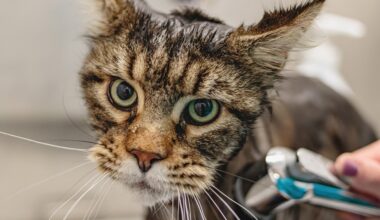

Early Signs of Feline Cognitive Dysfunction Syndrome You Should Watch For
Feline Cognitive Dysfunction Syndrome (FCDS) is a condition mirroring human Alzheimer’s and manifests through various signs. It’s crucial to recognize these early warning signs to ensure your cat receives appropriate care. One notable indicator is the change in pattern of activity and sleep. Cats with FCDS often have disrupted sleep patterns, showing increased activity at night while being lethargic during the day. Additionally, decreased interest in playtime or favorite toys may be evident. You might notice your once playful cat starting to ignore interactive games or not engaging with familiar objects. This behavior change signals a possible cognitive decline. Moreover, disorientation can be a significant symptom. Cats may appear confused, wandering aimlessly around the house or getting lost in familiar spaces. The signs of anxiety can also increase. Affected cats may frequently meow or vocalize, reflecting distress or confusion. Another frequent sign is changes in litter box habits or forgetting its location. Pet owners should keep track of these behavioral shifts, as they are critical for identifying potential cognitive dysfunction and ensuring timely veterinary intervention.
Cats may show noticeable changes in their social interactions if they are suffering from Feline Cognitive Dysfunction Syndrome. One aspect that becomes apparent is their reluctance to interact with family members or other pets. Typically social and affectionate cats may withdraw, seeking solitude rather than companionship. Additionally, their responsiveness to commands and affection may diminish significantly. Pets might appear standoffish or ignore familiar voices and commands that previously elicited a response. This behavioral shift can be concerning, as it indicates a decrease in cognitive function. Furthermore, a gradual loss of learned behaviors can occur. For instance, an older cat may forget to use the litter box or forget established routines such as feeding times. Watching for these tendencies is crucial, as they can signify cognitive decline. Next, you may observe an increase in irritability or frustration in your cat. They might react negatively to slight changes in their environment or routine, showing signs of stress. Such behavioral alterations highlight the importance of staying observant and addressing any signs of cognitive dysfunction promptly to maintain your cat’s quality of life.
In addition to behavioral changes, certain physical symptoms may indicate the onset of Feline Cognitive Dysfunction Syndrome. These include altered grooming habits. A cat that once groomed itself regularly may begin to neglect its coat, leading to matted fur or skin irritations. This lack of grooming can often be a sign of cognitive decline and should not be overlooked. Moreover, signs of reduced appetite or increased drinking habits can become increasingly noticeable. Changes in eating patterns may lead to unhealthy weight loss or other health complications, indicating the need for veterinary consultation. Another physical aspect to consider is the potential for changes in vision. Some pets may exhibit signs such as bumping into furniture or failing to notice movements around them. Reduced vision in conjunction with cognitive decline can create a challenging situation for your feline friend. Alarmingly, these shifts can emerge gradually, complicating early detection. Close attention to changing behaviors, appetite, grooming, and eye health will prove essential. Reporting these changes to your veterinarian may facilitate timely interventions that improve your cat’s health and well-being.
The Importance of Early Detection
Early detection of Feline Cognitive Dysfunction Syndrome can substantially improve treatment outcomes and your cat’s overall quality of life. Understanding the signs is the first step. Addressing these changes swiftly with veterinary help can lead to proper management through medication or dietary modifications. Cats are creatures of habit, and drastic changes may reflect deeper mental health issues. Therefore, monitoring their everyday behaviors is vital for early detection. Furthermore, providing environmental enrichment can delay or reduce the severity of symptoms associated with FCDS. Engaging your cat with stimulating toys, puzzle feeders, and interactive play can keep their mind active and help with cognitive function. Maintaining routine check-ups with your veterinarian will also be advantageous. Regular evaluations can help in identifying cognitive decline early and establishing a plan tailored to your pet’s unique needs. Remember, maintaining a strong bond with your cat can ease their stress and anxiety, promoting emotional support. Consistent companionship will reassure your feline friend, which may prove beneficial in combating the symptoms of cognitive dysfunction.
The connection between mental health and an enriched environment cannot be overstated when dealing with Feline Cognitive Dysfunction Syndrome. A stimulating atmosphere enables pets to respond better to their surroundings and encourages active engagement, which is crucial for cognitive health. Creating a cozy space with climbing trees, favorite hideouts, and varied textures can significantly enhance your cat’s comfort and interest. Additionally, exposing them to different smells, sounds, and sights can stimulate their senses, thus aiding cognitive function. It’s essential to recognize their personality when making these modifications. For example, shy cats will prefer quieter, less chaotic environments. Allowing areas to explore freely without overwhelming distractions promotes a sense of safety and tranquility. Another useful strategy is to establish a routine. Cats thrive on predictability– consistent feeding, playtime, and social interactions can foster a sense of security while minimizing confusion and anxiety. This ensures they remain engaged and mentally stimulated. Combining routine alongside an enriched environment forms the basis upon which your cat’s cognitive health can be supported, potentially mitigating some symptoms of FCDS.
When to Consult a Vet
Recognizing the signs of Feline Cognitive Dysfunction Syndrome is crucial, and knowing when to consult a veterinarian can make all the difference. Pet owners should seek professional advice whenever they observe long-term behavioral changes, such as incessant vocalization or disorientation. Changes primarily reflect significant cognitive decline; thus, timely consultation is essential. It’s important not to dismiss these behaviors as mere aging. Additionally, changes in eating or drinking habits warrant veterinary attention. Significant shifts in these areas can identify potential underlying health issues and ensure that related issues are addressed promptly. Moreover, if your cat exhibits increased anxiety or aggressiveness, it’s time to consult your vet. While behavioral changes are often age-related, they can denote cognitive dysfunction. Gathering as much information as possible about your cat’s behavior before consulting your veterinarian will be advantageous. This allows the vet to understand the situation comprehensively and suggest more effective solutions. Early recognition and intervention can lead to treatments that enhance your cat’s quality of life, making timely professional assistance imperative for their well-being.
In conclusion, keeping a vigilant eye on your feline companion is the best course of action to safeguard their mental health. As owners, your proactive steps can lead to timely interventions that will improve their quality of life significantly. Understanding the early signs of Feline Cognitive Dysfunction Syndrome ensures that you can respond swiftly and effectively if any symptoms arise. Remember, changes in behavior, grooming habits, social interactions, and appetite can indicate cognitive decline. Regular vet visits, an enriched environment, and maintaining consistent routines are excellent strategies in managing cognitive dysfunction. Active engagement in your cat’s well-being enhances their emotional and mental health. The bond between owner and pet is essential, and providing assurance fosters security and comfort during times of mental strain. Your commitment to watching for signs can make a significant difference in your cat’s life. If you suspect your cat is displaying symptoms of FCDS, consult your veterinarian for guidance. Early recognition and intervention enhance the quality of life for your feline friend and contribute positively to their overall health and happiness.