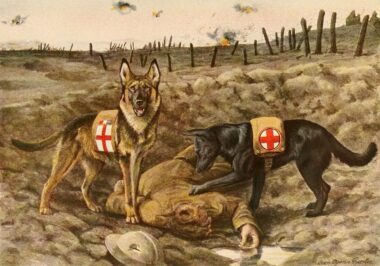

First Aid Basics for Dogs in Emergencies
Being prepared for emergencies involving your dog is crucial for any dog owner. This preparation begins with understanding the fundamentals of canine first aid. A first aid kit specifically designed for dogs can make all the difference in critical situations. Essential items include gauze, antiseptic wipes, adhesive tape, and a flashlight. It’s also wise to include a muzzle, as injured dogs can sometimes become frightened and snap. Additionally, understanding basic canine anatomy will help you identify where your dog may be hurt and how to treat specific injuries. For major emergencies, a plan should outline how to transport your dog to the vet safely. Consider keeping the vet’s contact details easily accessible in the kit. Learn basic CPR for dogs and how to recognize respiratory distress signs. In different emergencies, your dog’s health condition could change rapidly. Thus, frequent practice of these skills and drills ensures that you are ready at a moment’s notice. Always stay calm during the emergencies, as your demeanor will influence your dog’s response in trying situations.
Imagine the panic when an emergency strikes—being equipped with the right knowledge can save lives. Regularly revisiting your emergency plan with your family will reinforce teamwork during crises. An effective emergency plan should take into account various situations, including natural disasters, injuries, and illness outbreaks. Therefore, you will want to secure your dog’s essentials, including food and water. Always ensure there’s a supply of at least a week’s worth of food, medications, and toys in case you have to evacuate. Develop an escape route and a designated safe spot where your dog can go if you’re separated. Include identification on your dog via a microchip or collar tag. Alongside your dog’s contacts, prepare a portable file with recent vaccination records and pertinent medical history to help veterinarians respond swiftly. Maintaining vaccination records ensures that your dog is safe and documented, especially in emergency kenneling situations. Remember to rehearse evacuations with your dog periodically, preparing them for the sounds and stress of these scenarios. Keeping your dog’s temperament in mind, always consult your veterinarian for tailored advice regarding specific health matters that may affect you during emergencies.
Training for Emergencies
Training your dog to respond positively during emergencies is essential for both your dog and your peace of mind. Teaching your dog basic commands—like sit, stay, come, and heel—prepares the groundwork for more complicated tasks that may be needed in a crisis. Desensitizing your dog to potentially frightening scenarios, such as loud noises or sudden movements, enhances their ability to cope in stressful situations. Always reward your dog for exhibiting calm behavior in the face of these stressors. Consistency is key to reinforcing training, and you should engage in exercises regularly. Committing to training makes your dog feel secure within their environment, which can translate to adaptive behavior during an actual emergency. If possible, consider enrolling in first aid and emergency response training classes specifically tailored for dogs and their owners. These classes can provide invaluable experience when faced with unique challenges. Further, by gaining hands-on training, you develop confidence in your abilities, ultimately translating to calmer responses during emergencies. Collaboration with community groups improves knowledge shared among local dog owners, providing a network of support and further resources. Always stay updated on nuanced training techniques to ensure optimum preparedness.
One of the key aspects of emergency preparedness is understanding signs of potential health hazards in dogs. Pneumonia, allergic reactions, and heatstroke can present serious risks to your canine companion. Be vigilant for unusual symptoms such as excessive panting, lethargy, difficulty breathing, or sudden seizures. In each case, immediate action is required to prevent more severe health issues. Knowing how to recognize these symptoms can lead to prompt veterinary intervention, which is often critical in emergency situations. In cases of ingestion, keep a list of toxic substances readily available, including common household items and plants. Familiarize yourself with instructions on inducing vomiting if necessary—always consult the vet beforehand, as sometimes it is not advisable. Use caution, as unsolicited treatments can worsen the situation. Analyzing your dog’s food, toys, and environment regularly also helps in reducing risks associated with poisoning. Implement first aid techniques like the Heimlich maneuver when your dog is choking, as quick response can save a life. The primary goal is to remain calm and act swiftly—this can make a life-saving difference both frequently and in crisis moments.
Tools and Equipment for Your Kit
Every dog owner should have a well-equipped first aid kit ready for emergencies. This kit should contain items tailored for dogs to help you manage injuries on-site until veterinary care becomes accessible. Consider including a wide array of supplies such as bandages, antiseptic solutions, tweezers, a digital thermometer, and emergency contacts. APCs (Animal Poison Control Centers) numbers should be on hand to allow for quick access to professional advice. When traveling, carry a portable first aid kit, as your dog could become unwell outside usual surroundings. Establishing the kit’s contents requires periodic checking, replenishing items as needed, and ensuring that everything is in usable condition. Also, educate yourself on how to use each item in your first aid kit effectively, as being well-informed can significantly impact the outcome of urgent scenarios. Identify any specific medications or health considerations for your dog, ensuring your kit addresses any unique needs your dog may require. Consider considering training sessions for using specific tools effectively. Keeping your kit organized and accessible will give you confidence and peace of mind during emergencies.
When it comes to emergency driving, familiarizing yourself with the safest way to transport an injured dog is essential. Using a sturdy crate can provide security and stability during transit, protecting both you and your dog. Consider learning techniques for immobilizing your dog, especially if they have an apparent injury, to prevent further complications. Using a towel or blanket when transporting can provide extra comfort. Ensure your dog is secure and avoid sudden movements that may cause pain or aggravate injuries. When driving, follow all traffic rules in a calm and controlled manner to minimize stress for your dog. Prepare yourself with knowledge of local veterinary services and their emergency protocols. Saving time during an emergency can save your pet’s life. Call ahead if feasible to let your vet know you’re on the way, thus allowing for quick treatment on arrival. Equip emergency supplies to ensure your dog’s safety during travel, including water and comfort items like a favorite toy or blanket. Above all, your attentiveness and knowledge will enhance your ability to provide the best care for your dog when it matters most.
Aftercare and Recovery
The aftermath of an emergency requires comprehensive care for your dog’s recovery. After seeking veterinary assistance, it’s important to closely monitor your dog for any unusual behavior or health changes. Follow the veterinarian’s instructions explicitly regarding medications, dietary changes, and activity level restrictions. Keeping your dog comfortable during recovery is essential, so create a quiet space free from stressors. Limited activity promotes healing; follow recommended physical limitations as instructed. Regular communication with your veterinarian post-incident is necessary for assessing recovery progress and making adjustments. Identifying any changes in appetite, energy levels, or mood can indicate a need for prompt veterinary evaluation. Socializing your dog with familiar experiences may help alleviate anxiety stemming from the event, contributing to emotional recovery too. Implementing gentle, positive reinforcements can help improve your dog’s sense of emotional safety. Continue providing love and support throughout the recovery period; each dog will respond differently based on their resilience. Always consider the psychological impact on your dog, incorporating behavioral assessments for assistance when dealing with anxiety or fear in future incidents. Consider enrolling in behavior enrichment classes or activities to foster continued recovery.
In the journal of dog ownership, preparedness for emergencies and understanding the essentials of canine first aid open pathways to safety. Being knowledgeable and equipped fosters confidence in the face of unexpected situations. By involving the entire family in understanding and practicing emergency procedures, everyone can share responsibility. Building a strong relationship based on trust and communication with your dog will also play a crucial role. Gentle training, constant socialization, and regular practice drills act as preventative measures against fear during emergencies. Providing the tools necessary to encourage adaptability can save lives in potentially dangerous situations. As reliable dog owners, you are their first line of defense, where staying calm and empowered is vital. For better preparedness, always stay updated with the latest guidelines and advice regarding dog health and safety. Engaging with fellow dog owners in community outreach ensures sharing experiences, enhancing preparedness knowledge, and contributing to collective capabilities. Make a habit of reviewing emergency procedures bi-annually, as changes in your dog’s health status or lifestyle can alter your preparedness approach significantly. Prepare for the unexpected, because while emergencies are hard to predict, being ready can be the difference between panic and peace in troubling moments.