
From Rubble to Rescue: Cats Saved During Earthquake Aftermaths
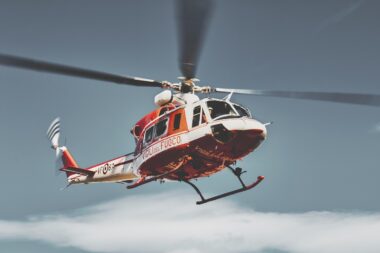
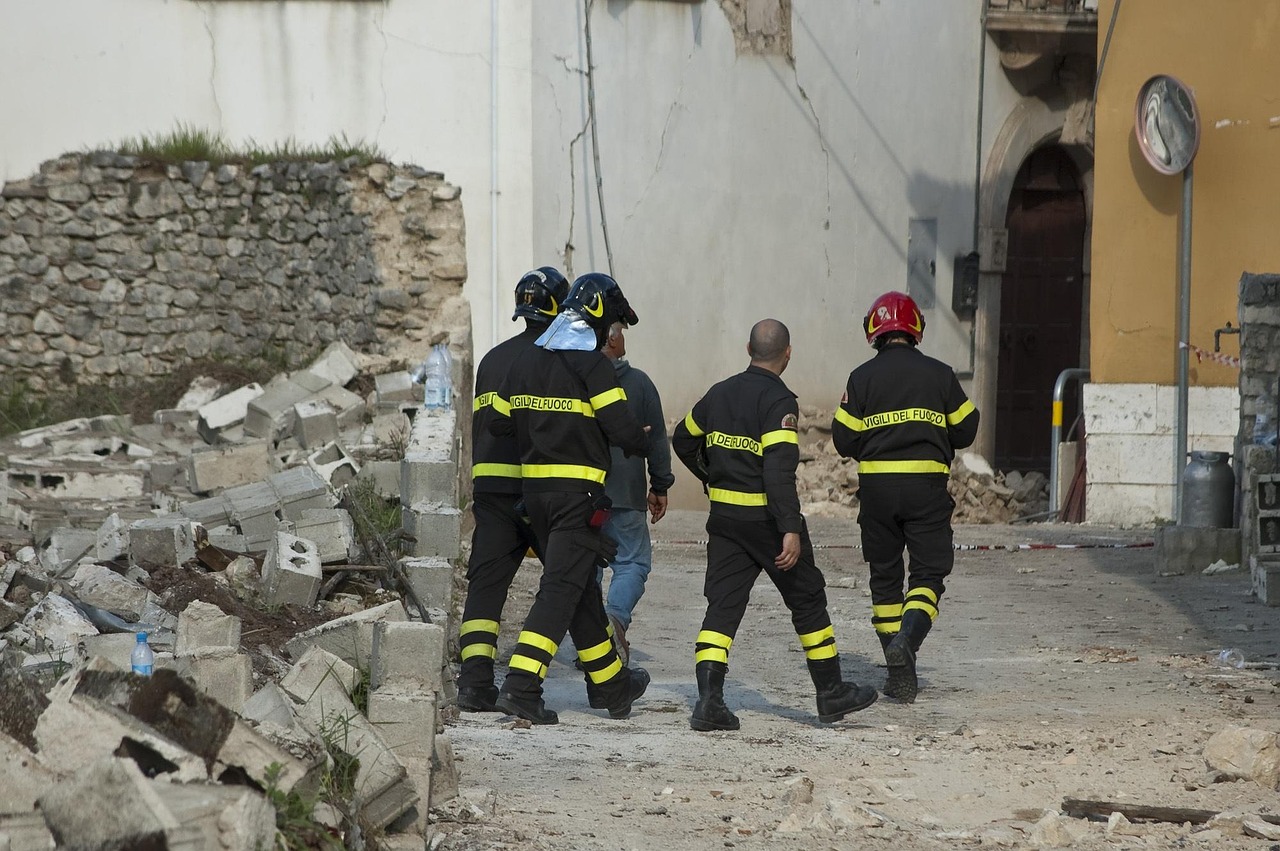
The aftermath of an earthquake often leaves behind devastation, not just to human lives but also to countless animals, especially cats. Many cats find themselves trapped under rubble or lost in chaos, searching for safety. These resilient creatures have shown astounding survival instincts, often emerging from disaster zones against all odds. Volunteers and rescue organizations step in during these critical moments to locate and save as many cats as possible. Each cat rescued is a heartwarming tale of survival that underscores the bond between humans and these furry companions. In the wake of natural disasters, several shelters and volunteer groups mobilize to reach affected areas quickly. They assess the situation, prioritize rescue efforts, and often set up temporary shelters for displaced animals. The stories of cats rescued from the wreckage reveal their courageous spirits and the compassion of those who refuse to leave them behind. Local communities often rally around these efforts, offering assistance in various forms, including shelter, food, and medical aid for injured or traumatized cats.
As volunteers arrive on the scene, the urgency of the task ahead becomes apparent. The process of rescuing cats from disaster areas is a complex one, often requiring specialized knowledge and equipment. Rescuers are trained to navigate dangerous environments, carefully lifting debris to uncover trapped cats. With each successful rescue, the emotional toll on everyone involved begins to lighten. Many of these cats are frightened, confused, and in need of immediate care. A quick assessment is performed to ensure their well-being. The nurturing environment established by rescuers helps to soothe their fears, paving the way for recovery. Communities begin to learn the importance of preparedness for future disasters, which includes planning for pets. Educating pet owners about emergency kits is crucial. These kits should contain essentials like food, water, leashes, and identification for pets. Moreover, local shelters advocate for microchipping pets, ensuring that lost animals can be reunited with their families post-disaster. This proactive approach aids significantly in reducing the number of strays in the aftermath of cat tragedies.
The Role of Social Media in Rescue Efforts
In recent years, social media has played a pivotal role in disaster rescue efforts, amplifying awareness and encouraging community involvement. Posts detailing the plight of cats in disaster zones often touch hearts, prompting swift assistance from volunteers across various locations. Photos and stories shared online enable rapid information dissemination, leading to increased rescue operations. Shelters utilize these platforms to share updates on ongoing rescues, enabling people to support. This increased visibility also encourages donations, which provide necessary supplies for rescued animals. Support can take various forms, from financial contributions to on-the-ground volunteer work. Engaging local influencers or community leaders can significantly boost outreach efforts and help in mobilizing resources effectively. Local organizations often create hashtags for their campaigns, linking those in need with potential volunteers. Social media helps to foster connections between rescues and potential adopters, facilitating the rehoming process of saved cats. This digital engagement creates a strong network of animal lovers who are willing to help in any way they can.
Survival stories from the field offer insights into the resilience of cats that experience such transformative events. Many animals become different versions of themselves during and after a disaster—a display of remarkable instincts and adaptability. The emotional journeys of these cats can resonate with those involved in their rescue. For instance, a cat named Whiskers, found under rubble, was traumatized initially, cowering in fear. However, following nurturing care, Whiskers blossomed into a loving pet who became an iconic story of survival, inspiring others. Cats like Whiskers symbolize hope, showcasing the bond formed between rescuer and animal. Their recovery showcases the critical nature of human compassion in times of crisis. Each cat saved serves as a reminder of the importance of continuing outreach efforts even after the media coverage has faded. Sharing their journeys reinforces a message of hope and community resilience. Avoiding complacency in rescue training ensures that teams remain prepared for future disasters. These continued efforts ultimately contribute to a culture of caretaking, ensuring that no cat feels forsaken in the face of calamity.
Connecting with the Community
The success of cat rescue operations post-disaster hinges significantly on community involvement and support. Local residents often become vital allies, offering shelter, food, and medical assistance during ongoing rescue efforts. Building community awareness about the necessity of rescuing pets during disasters fosters a culture of collaboration. Training workshops focused on disaster preparedness can enhance community response capabilities. Schools and community groups are encouraged to participate in educational programs about pet care during emergencies. The more people know about their responsibilities during disasters, the better outcomes for the animals involved. Engaging community initiatives not only support rescue operations but also strengthen neighborhood bonds. Local businesses often rally around these efforts, providing resources or funding for supplies needed in rescue missions. Successful partnerships between organizations and private sectors can lead to substantial advancements in animal welfare. Fundraising events in collaboration with local businesses can create financial support for shelters, ensuring ongoing care for rescues. The positive relationships formed through these ventures build a thriving culture devoted to protecting and caring for felines.
Despite the challenges faced during these rescue missions, each story culminates in a collective triumph of survival and community solidarity. The heartfelt narratives of cats saved from the aftermath of disasters continue to inspire and create awareness regarding animal rescue. Volunteers often share their experiences at charity events or through social media platforms, educating the public about both the struggles and victories. Their stories encourage ongoing discussion about responsible pet ownership and the measures necessary to safeguard the lives of pets. Utilizing captivating photographs of rescue missions can motivate more people to get involved in animal welfare. Documenting these stories also helps raise funds necessary for provided items like food, water, and medical supplies for rescued cats. Furthermore, fostering a strong connection between the public and shelters can lead to higher adoption rates as the community feels invested in the lives of these animals. By spreading awareness about rescue efforts, many strive to help ensure no cat suffers during a natural disaster. The stories reinforce the need for continuous support and engagement in animal welfare initiatives.
Looking to the Future
As we reflect on the significant impact of cat rescues following disasters, the future holds much potential for enhancement and growth throughout these initiatives. Continued commitment from communities, local governments, and animal welfare organizations paves the way for more effective rescue strategies. Establishing formal networks that enable quicker response times can transform the current landscape of animal rescue during disasters. Training programs should be developed consistently, with emphasis on best practices for rescuing and rehabilitating animals. An integrated approach, utilizing technology and traditional methods, ensures a holistic strategy towards animal rescue as events unfold. Furthermore, fostering relationships internationally inspires sharing knowledge and resources with others facing similar challenges. This global collaboration enhances techniques utilized in rescue missions, ultimately saving more animals. By focusing on preparedness and community involvement, the culture surrounding disaster rescue can stabilize and flourish. The continued promotion of stories like those of Whiskers and countless others energizes efforts toward a more compassionate world for cats everywhere, reminding everyone involved that compassion knows no bounds.
In conclusion, the stories of cats rescued from disasters highlight the endurance of the feline spirit and the compassion of humanity. They serve as crucial reminders of the importance of preparedness, education, and community action in times of crisis. As we move forward, let us continue to advocate for better resources and support systems for pet owners, ensuring that every cat has a safe haven during emergencies. Together, with shared stories and collective efforts, we can make a difference in the lives of these beloved pets and prevent needless suffering in the future. Our commitment to animal welfare must remain strong, ensuring we create environments where no cat is left behind amid chaos. The bond formed between these animals and their rescuers reflects the compassion within our communities, teaching future generations the value of kindness and empathy. It is crucial to remember that even in the darkest moments, hope shines brightly through every rescue mission. Let us strive to remain vigilant and prepared for the unexpected. In building connected and compassionate communities, we can forge paths of safety, fostering futures where every cat can thrive amidst potential challenges.