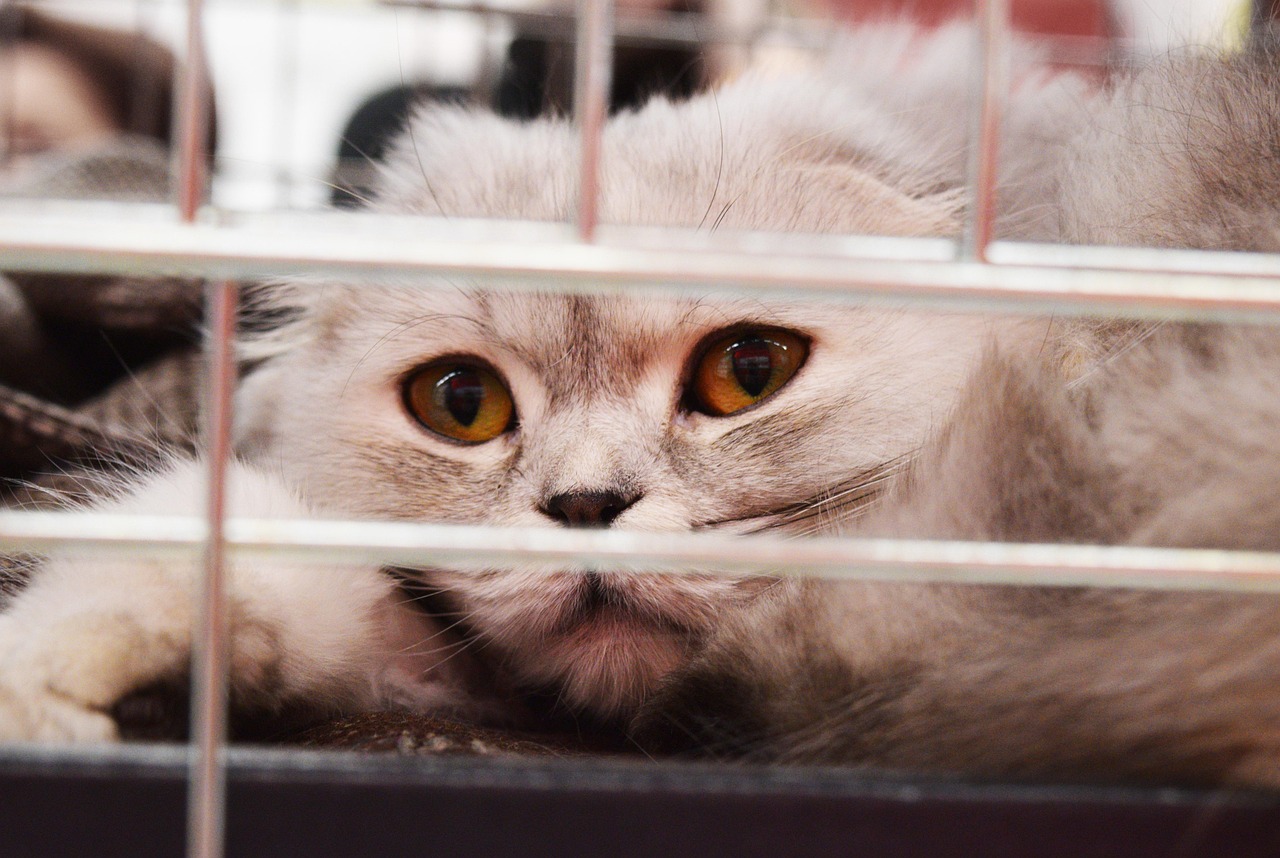

Treating Injuries: Real-Life Cat Rescue Medical Case Studies
In the realm of cat rescue, medical care is paramount, especially when treating injuries. One notable case was that of Charlie, a street cat who suffered from a deep laceration on his leg. After being rescued, the volunteers provided immediate first aid, bandaging the wound to prevent infection. They then took him to a veterinary clinic, where comprehensive treatment was initiated. The vet diagnosed him with an infection and performed a thorough cleaning of the wound. After surgery to stitch the laceration, Charlie was placed on antibiotics and painkillers to aid his recovery. His progress was closely monitored by the rescue team, who ensured he received adequate nutrition and rest. Over time, Charlie’s wound healed beautifully, and he became an ambassador for the importance of medical care in rescue situations. This case illustrates the critical steps in providing effective medical treatment to injured rescue cats. Proper veterinary attention can often turn a desperate situation into a successful recovery story. Awareness and proactive measures in the early stages can significantly impact a cat’s long-term health and well-being.
Case Study: Bella’s Broken Paw
Another poignant story involves Bella, a playful kitten that was struck by a vehicle and sustained a broken paw. The rescuers spotted her limping and immediately took her in. They recognized that swift action was essential for her recovery. After evaluating her condition, a veterinarian determined that surgery was needed to repair the fracture. The operation involved placing a pin in her paw to stabilize the bones. Following the surgery, Bella was placed in a soft cast and monitored closely during her recovery. The rescue team provided her with a stress-free environment conducive to healing. They engaged her with toys that didn’t require much physical activity but allowed her to socialize. Bella was placed on medications to manage her pain effectively. Over several weeks, her healing progressed, and she gradually regained full mobility. Eventually, Bella found a loving forever home, showcasing how crucial timely medical interventions are in animal rescue. This case serves as a reminder of the resilience of cats and the importance of dedicated veterinary care in the rescue process.
The Journey of Max: From Abandonment to Recovery
Max’s story is particularly heart-wrenching; he was found abandoned in a box, suffering from severe malnutrition and a skin infection. His rescuers were horrified but determined to help. They took him to a veterinary clinic, where he received a thorough examination. The veterinarians started by addressing his nutritional needs, providing IV fluids to rehydrate him. With the right nutrition, his strength began to return. Simultaneously, they treated the skin infection with topical ointments and antibiotics, ensuring that the affected areas healed properly. Max’s recovery was slow but steady, requiring constant monitoring and care. The rescue team was diligent about cleaning his living space and administering medications. Socialization was also vital; they spent time cuddling with him and offering gentle play. Slowly, Max’s fur began to regrow, and his energy increased. By the end of the recovery period, not only had Max regained his health, but he also developed a loving personality, making him irresistible to potential adopters. This illustrates how proper medical intervention can transform lives of abandoned cats.
A heartwarming tale is that of Luna, a cat with a traumatic pelvic injury. Rescued from a local shelter, Luna had been in a fight, leading to fractures. Her adoption was contingent on her medical stability, and her new owners were fully aware of the extensive care required. After performing an X-ray, the vet suggested surgery to realign her pelvis and repair the damage. Through resilient effort, Luna’s operation was a success, and post-operative care began. The recovery required strict confinement to minimize movement and ensure proper healing. Regular check-ups allowed the vet to monitor her progress, adjusting medication dosages as necessary. Luna’s loving foster family dedicated time to her rehabilitation, providing gentle physical therapy. In four months, she showed remarkable improvement, regaining mobility and strength. Eventually, she found her forever home with a family devoted to her ongoing care. This case emphasizes the importance of community support and knowledge about proper medical procedures for rescued cats. The combination of veterinary expertise and compassionate care can rescue a cat’s future and happiness.
Another notable rescue story is that of Oliver, who suffered from severe dental issues. Rescued from an overcrowded shelter, he had numerous missing teeth and painful gingivitis. His situation required immediate dental intervention. A veterinarian examined him and formulated a plan involving dental cleaning and extraction of severely damaged teeth. The volunteers ensured he was healthy enough for surgery by conducting blood tests preoperatively. Following the surgery, Oliver required a diet of soft food to facilitate healing, which the rescue team diligently followed. They also monitored for signs of infection, administering pain relief as necessary. As his mouth healed, his personality began to shine. He became more active and friendly, interacting with the other cats at the shelter. The transformative journey from pain to comfort was fulfilling for Oliver, showcasing the significance of dental health in cats. His story is a testament to the impact of addressing medical needs in rescue animals. Eventually, he was adopted into a loving home where he continues to thrive, further emphasizing the necessity of dental care in preventive health measures for rescued cats.
In yet another impactful case, we have the story of Ginger, who was found with severe burns from an unknown source. The rescue team was alerted after a passerby noticed her struggling to walk. Upon rescue, the team quickly transported her to a veterinary hospital for specialized treatment. The vet assessed the extent of her injuries and initiated emergency care, focusing on cleaning and dressing the burns. Following the initial treatment, Ginger required a comprehensive care plan. This included medicated baths to soothe her skin, as well as pain management. The rescue organization provided daily bandage changes and ensured that her living space was safe and comfortable. Ginger displayed remarkable resilience, slowly healing and adapting to her injuries. The emotional support she received from her caretakers played a significant role in her recovery. Over time, her fur grew back, and her spirit returned. She became known for her loving demeanor and strength, inspiring everyone around her. Eventually, Ginger was adopted by a family that appreciated her story and dedication, proving that even the most challenging cases can result in a joyful new beginning.
Lastly, we conclude with the tale of Simba, who faced complex medical conditions upon rescue. He had been living outdoors for years and entered the shelter with multiple health issues, including infections and parasites. Volunteers knew they had a long journey ahead. The vet’s primary focus was to ensure he was stabilized through vaccinations and deworming. This multi-step treatment began with immediate medical attention for infections through various medications. Simba also underwent testing for additional underlying conditions that could complicate his recovery. The shelter staff provided him with a nutritious diet tailored to rebuilding his strength. They emphasized the importance of socialization, introducing him to friendly cats. Over time, Simba transformed from a frightened cat into an affectionate companion. His recovery highlighted the critical importance of comprehensive medical evaluations when rescuing neglected cats. The lessons from Simba’s story reinforce that each rescued cat deserves an individualized medical approach. Eventually, he captured the hearts of his adoptive family, illustrating how love, patience, and proper veterinary care can create extraordinary outcomes in cat rescues.