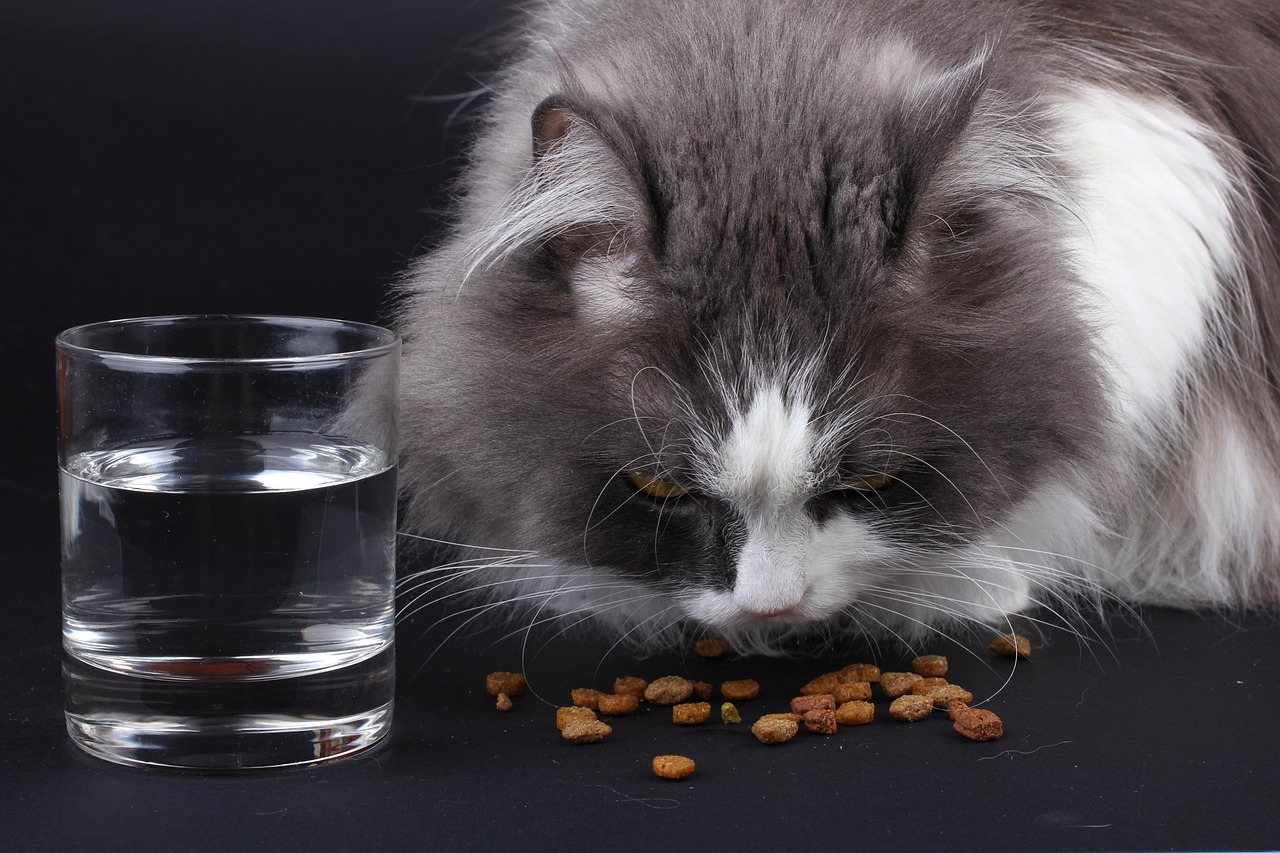

Nutrition Tips for Rescued Cats
Rescuing a cat is a rewarding experience, but it also comes with a responsibility to ensure its well-being, particularly concerning nutrition. Transitioning rescued cats to a proper diet is crucial. Start by assessing the cat’s current food habits, including the brand and type of food they were eating. Slowly introduce new food to avoid digestive issues. mix the old food with the new, gradually increasing the proportion of the new food over a week to help the cat adjust. Additionally, consider their age, activity level, and any health concerns to determine the right diet. For kittens, high-quality kitten food is essential for growth, while adult cats typically require balanced meals. A veterinarian may also suggest the right diet tailored to specific health conditions such as obesity or diabetes. Always provide fresh water, as hydration is as vital as nutrition. Furthermore, avoid overfeeding; follow feeding guidelines on food packaging and adjust based on the cat’s activity level. The right nutrition will help rescue cats regain their strength and prevent future health problems.
Choosing the right cat food can be quite overwhelming due to the numerous options available. Look for high-quality commercial cat food that lists meat as the primary ingredient. Cats are obligate carnivores, meaning they thrive on protein from animal sources rather than plant-based proteins. Check labels for balanced vitamin and mineral contents, particularly taurine, which is essential for heart health, and arginine, vital for removing ammonia from the body. It’s beneficial to select food with minimal fillers like corn and soy, as these can lead to allergies or digestive issues. Consulting your veterinarian can also provide insights into the best food brands. Incorporating wet food into their diet is advantageous as it offers hydration benefits and can be more palatable for picky eaters. It’s also essential to note any food allergies or intolerances the rescued cat may have. Monitor their reaction to new food types closely, and keep track of any changes in behavior or health. This attention to detail will facilitate an appropriate dietary plan to enhance their health and life quality.
Understanding Feeding Frequencies
Feeding schedules are just as important as the type of food you choose for your rescued cat. Kittens typically require more frequent meals, about three to four times a day due to their rapid growth and energy needs. Ensure you provide the necessary amount of food at each feeding while adjusting portions as they age. Adult cats, on the other hand, generally thrive on two meals a day, spread at regular intervals. This structure helps maintain their energy levels and prevents boredom. Remember that it’s essential to monitor their weight and adjust portion sizes accordingly to maintain a healthy weight. Overweight cats may require a regulated diet, leading to controlled feeding to promote weight loss. It’s also beneficial to establish a feeding ritual to create a sense of security and predictability for your rescued cat. Cats become accustomed to their feeding routine quickly, leading to a calmer meal experience. Consistency in meal timing contributes positively to their overall emotional health, reducing stress and anxiety related to feeding.
Understanding the specific dietary needs of rescued cats often requires paying close attention to their health status. Many rescues may come with underlying medical issues requiring special dietary consideration. For instance, cats diagnosed with kidney disease may need lower protein foods, while those suffering from obesity might require calorie-controlled diets. Cats with sensitive stomachs may benefit from limited-ingredient diets or hydrolyzed protein formulas. Always consult a vet for advice tailored to the cat’s specific conditions. Transitioning to a new diet should be done gradually, allowing their digestive system to adjust. If the cat shows signs of vomiting or diarrhea, revert to their previous diet and consult your veterinarian for advice. Additionally, keep in mind that senior cats often have different nutritional needs than younger cats. Their diets should focus on maintaining muscle mass and joint health due to age-related physical changes. Therefore, choosing premium foods formulated for senior cats can support overall health. By being proactive and observant, you can help ensure that your rescued cat enjoys a diet that promotes well-being and longevity.
Hydration Importance for Rescued Cats
Hydration is an essential aspect of cat nutrition that often gets overlooked. Cats are notoriously not keen on drinking water, which can lead to health issues if they become dehydrated. Offering wet cat food is one effective way to increase moisture intake, but providing fresh, clean drinking water is equally vital. Always ensure water is available in shallow bowls, as cats prefer to drink from wider surfaces. This encourages them to drink more, improving hydration levels. Place water bowls in different areas of your home to encourage your rescued cat to drink more throughout the day. Consider adding water fountains, which can attract cats due to moving water, making it more enticing for them. Monitor their drinking habits and ensure they are urinating regularly, as this is a good indication of hydration status. If your cat appears lethargic, or if their urine is less frequent or concentrated, it may signal dehydration. In such instances, consulting your veterinarian promptly is crucial for guidance on rehydration strategies for your rescued cat.
Supplementing nutrition is another consideration when caring for rescued cats. Occasionally adding specific vitamins or minerals can support their overall health, particularly if they are transitioning from a poor diet. Fish oil supplements are known for promoting a shiny coat, while probiotics can improve digestive health, especially after changing diets. However, it’s crucial to approach supplementation cautiously. Always consult your veterinarian before introducing any supplements to your cat’s diet, as excess nutrients can result in toxicity or health complications. Each cat’s needs are unique, so personalized recommendations are essential for safety. Furthermore, look for natural food options that are less likely to contain artificial colors or preservatives that can be harmful. Some natural food brands even offer the right balance of nutrients suitable for rescued cats. Learning about the holistic approach to nutrition can guide you in making the right choices for your new feline friend. By enhancing your cat’s diet with appropriate supplementation and high-quality food, you’re paving the way for a happier and healthier life.
Conclusion on Nutritional Care
In conclusion, providing optimal nutrition to rescued cats is instrumental in ensuring their long-term health and happiness. Nutritional care begins with assessing their dietary needs and selecting high-quality food tailored to their specific requirements. It’s a continuous journey where attentiveness plays a crucial role. Monitoring their behavior, weight, and health status will guide you in making adjustments as necessary. Also, establish a consistent feeding schedule that works for both you and your cat, ensuring they feel secure and happy. Don’t forget the importance of hydration, which should correspond with their dietary intake. Supplements may benefit some cats but should always be approached with caution. Finally, remember that the journey of rescuing and caring for a cat can sometimes be challenging, but with the right nutritional knowledge and dedication, you can foster a loving and healthy environment for your furry friend. It is rewarding to share this journey with your rescued kitty, who deserves a chance at a fulfilling life. Embrace this opportunity and give your feline companion the best care possible.