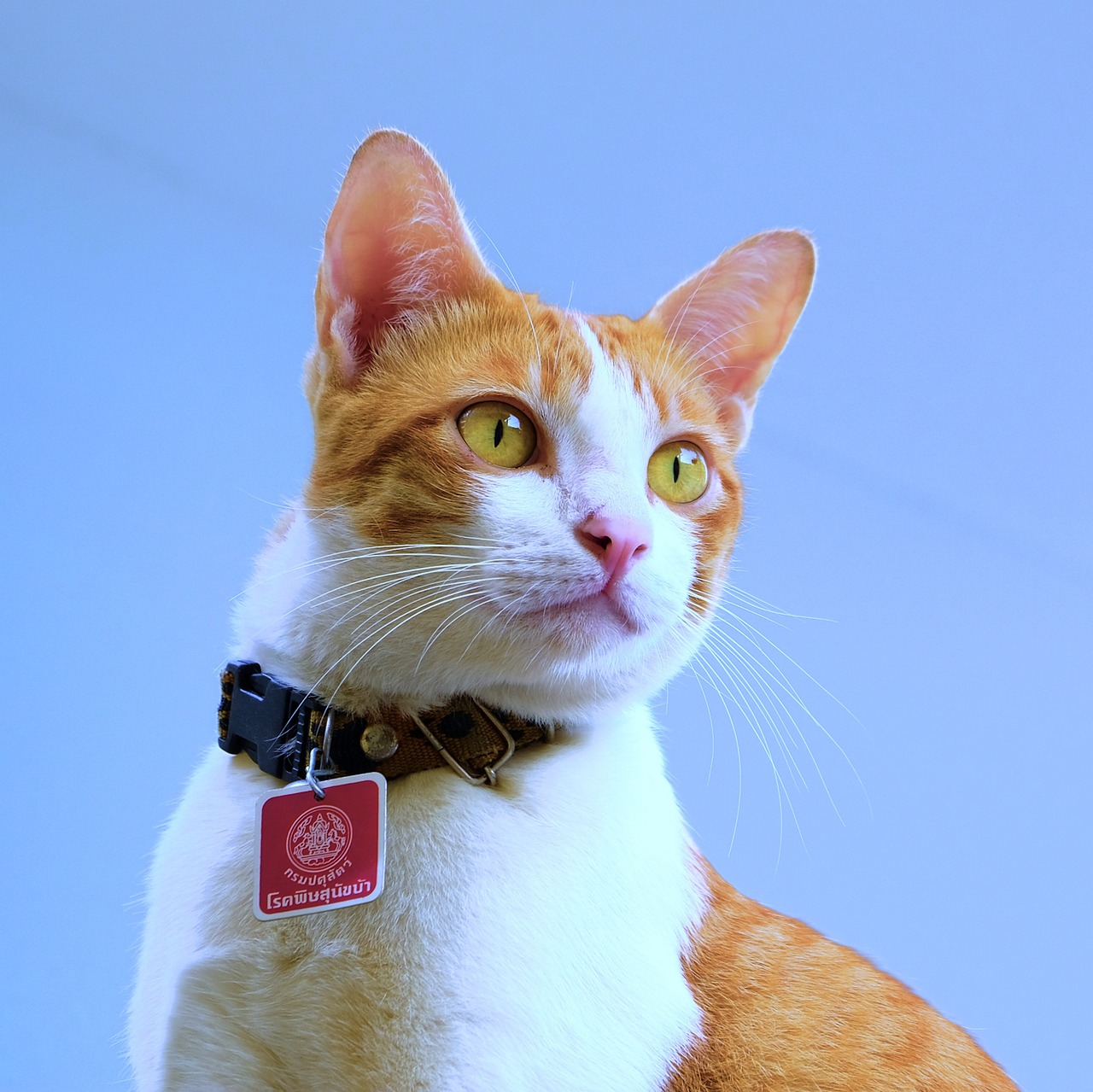

Remote Training Collars: Safety and Effectiveness for Cats
When considering the use of remote training collars for cats, it is essential to understand both the safety and effectiveness of these devices. Remote training collars can serve as useful tools in teaching your feline friend desired behaviors, facilitating the training process. Unlike traditional methods, which may utilize punitive measures, these collars aim to create positive reinforcement through specific stimuli. Owners should choose collars that have adjustable intensity settings to cater to their cat’s sensitivity levels. Moreover, cages or areas must be properly prepared to minimize distractions or unwanted behavior triggers. Many modern collars provide vibration or sound options, which can effectively capture a cat’s attention without causing harm. Personalizing the training sessions, in tandem with the right equipment, increases the likelihood of success. However, it’s crucial to monitor your cat’s reactions closely, ensuring that the collar isn’t causing distress. Trained professionals can also assist in recommending effective training strategies when utilizing remote collars in a safe manner. Investing in quality collars accompanied by professional guidance can lead to a harmonious relationship between pet owners and their beloved cats.
Training cats can prove challenging due to their naturally independent behavior; hence, remote training collars emerge as a solution. These devices operate wirelessly, allowing an owner to communicate with their pet from a distance, making them suitable for outdoor training sessions. One of the primary benefits includes the ability to correct unwanted behavior such as scratching or escaping while enjoying freedom outdoors. Trainers must remember that consistency and patience are key factors during the training process. Consider starting with short, focused training sessions to keep your cat engaged while gradually extending the duration as they adapt. Additionally, positive reinforcement strategies should be incorporated alongside the collar to enhance behavior modification. This approach creates a more productive environment for learning where cats can thrive. Products like the PetSafe Remote Trainer or the SportDOG Brand 425X can help owners find the right fit for their training needs. Additionally, using these collars effectively means understanding your cat’s temperament and responsiveness. Fostering a bond of trust with your pet creates a remarkable training experience which can lead to improved behavior and harmony for both cats and their owners.
Key Features of Remote Training Collars
Choosing the right remote training collar requires understanding its features. Key aspects to consider include range, battery life, and versatility. A wider range allows owners to train their cats over larger areas, such as gardens or parks, without needing to remain close by. Additionally, battery longevity is crucial, as it ensures uninterrupted training sessions. Some advanced collars come equipped with rechargeable batteries, which can save money in the long run. Notably, collars with multiple training modes, including beep, vibration, and shock functions, provide options suitable for various temperaments. Selecting a collar with user-friendly controls and clear displays can enhance the user experience significantly. Comfort is also an essential feature; collars should be lightweight and adjustable to avoid any discomfort. Moreover, waterproof models are ideal for outdoor training since they sustain exposure to moisture without malfunctioning. Many brands also offer safety features, like automatic shut-off after a certain period, ensuring pets are safeguarded effectively. By considering these features, owners can select a collar that meets both their needs and those of their feline companions for successful training outcomes.
While remote training collars can benefit both cats and their owners, they must be used responsibly. Understanding the purpose and mechanism behind these devices reinforces their safety and effectiveness. Users are encouraged to familiarize themselves with the instructions provided by manufacturers to ensure proper usage. Proper utilization avoids any potential negatives that could arise from misuse or misunderstanding of the collar’s functions. Safety measures should include closely monitoring your cat’s emotional and physical well-being during the training process. Avoid using the collar excessively or relying solely on it without other forms of training, as this can lead to adverse effects. Instead, integrate training techniques, focusing on developing a respectful and rewarding relationship. It’s advisable to consult with a veterinarian or a professional animal trainer to gain insights into best practices for collar usage. By prioritizing safety and understanding the tools at hand, pet owners can tap into the true potential of remote training collars. A well-rounded approach to training ensures a happier and well-adjusted feline that responds positively and willingly to commands, enhancing the bond between cat and owner.
Tips for Successful Training
For effective use of remote training collars, establish a structured training routine. Begin by selecting a conducive environment, free from interruptions, to facilitate focused sessions. Initiate with simple commands that your cat is more likely to respond to, as this builds confidence. Use the collar to override distractions slowly, aiding in the development of focused attention. Gradually introduce new behaviors as your cat becomes accustomed to the collar’s signals. It’s important to recognize and celebrate your pet’s small successes with treats and praise, reinforcing positive behavior. Consistency is paramount; humans need to replicate commands and signals in an identical manner to ensure clarity. Incorporating playful activities during training can help make the process enjoyable and fulfilling for both the pet and its owner. Avoid reprimanding your feline companion without justification as this can lead to anxiety or confusion. A relaxed approach to training generally yields better results. Document progress to track improvements and allow adjustments as necessary. With patience, a structured plan, and the right remote collar, successful training can be achieved, positively impacting behavior and interactions.
Consider potential challenges when using remote training collars, as these devices do have limitations. One major challenge involves the cat’s individual temperament, which can significantly influence training outcomes. Some cats may exhibit fear or resistance to stimulation, leading to potential setbacks. It’s essential to thoroughly assess your cat’s personality prior to introducing a remote training collar to ensure a suitable match. Observing their behavior during training helps gauge comfort levels, vital for building trust. If your feline friend continues to display hesitance or fear, consider consulting with a professional trainer for alternative methods. Additionally, distractions from the environment, such as noise or other animals, may complicate training efforts. Choosing quieter and more isolated areas can mitigate these challenges to enhance your cat’s ability to focus on directions. Lastly, regular assessment of collar performance can prevent any technical issues that would lead to ineffective training. By recognizing and addressing these potential challenges early, you create a more supportive training atmosphere. Ultimately, developing effective solutions lends to a smoother training journey that fosters a better relationship and more consistent results for both cats and their owners.
Conclusion on Remote Training Collars
In conclusion, remote training collars present a promising solution for cat owners seeking to enhance training effectiveness while ensuring safety. Their remote functionality allows for flexible training sessions, especially outdoors. However, a pet owner’s approach is crucial to successfully integrate these devices into their training practices. Prioritize the cat’s well-being by understanding its reactions to various stimuli provided by the collar. Equip yourself with knowledge regarding proper usage and considerations for your specific pet’s needs, ensuring a tailored experience. By blending the harnessing power of technology with a respectful training approach, pet owners can significantly improve their feline pets’ responsiveness to commands. The investment in a remote training collar should be accompanied by a commitment to consistent training sessions and patience. Furthermore, staying informed and consulting professionals when necessary can optimize the overall experience for both pet owners and their cats. A positive training experience fosters a better bond and mutual respect. Ultimately, the end goal is to achieve well-adjusted, well-behaved cats that enjoy healthy interactions and can integrate seamlessly into their households and communities.
As remote training collars evolve, they embody practical solutions for promoting responsible pet behavior. Utilizing these devices mindfully can lead to a happier, more obedient feline companion that will benefit their owners. With diligence and care in training practices, cat owners can ensure that their pets respond effectively to commands while enjoying freedom. By embracing remote training collars as part of a comprehensive training strategy, owners can navigate the complexities of cat behavior more effectively. However, it’s paramount that each individual cat is treated as a unique learner, taking into account its specific needs and characteristics. Ultimately, these collars serve as an effective training tool when applied with a responsible mindset, fostering an enduring bond between cats and their owners.