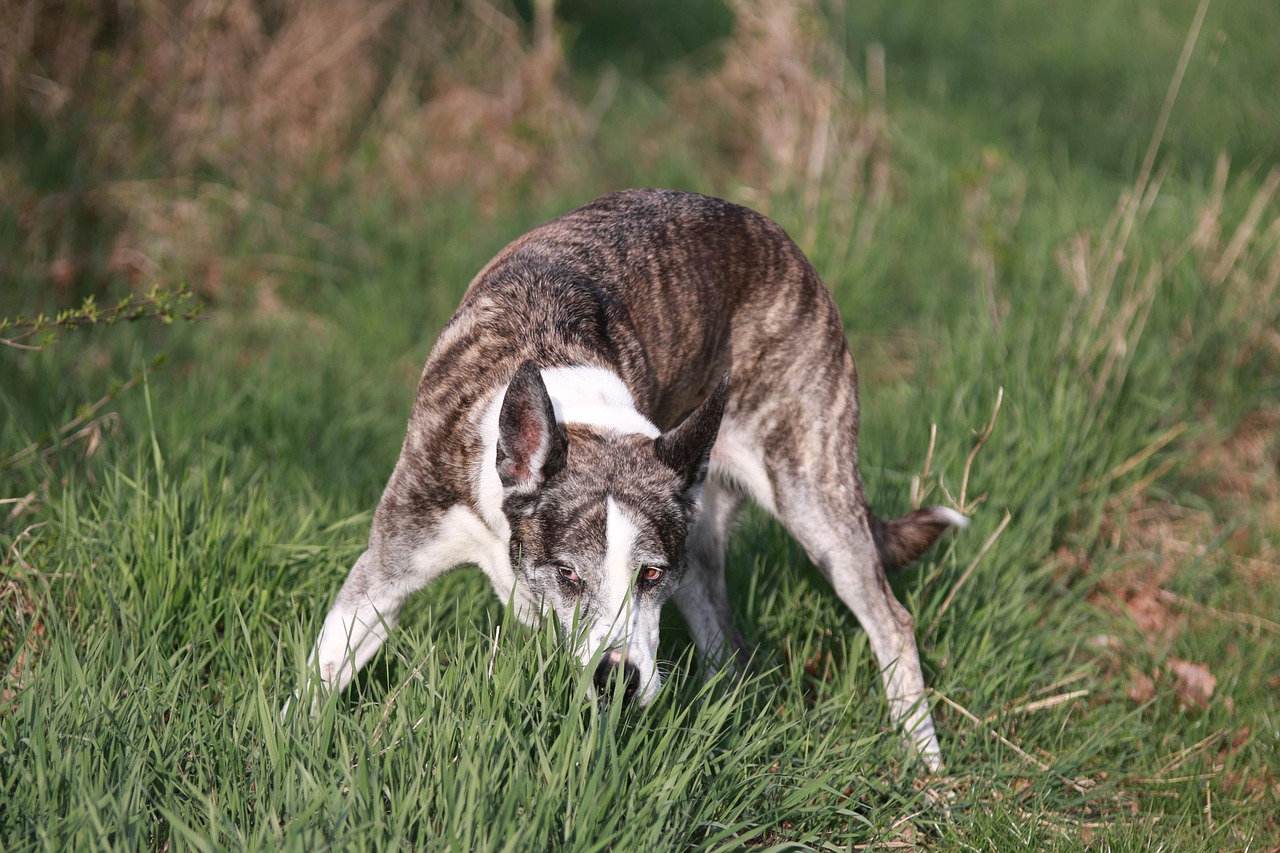

The Connection Between Dog Sniffing and Anxiety
Dogs possess an extraordinary sense of smell, which they utilize for communication, navigation, and hunting. Sniffing allows dogs to gather information about their environment, including the presence of other animals, people, and potential dangers. However, excessive sniffing can indicate a dog’s anxiety levels. When dogs experience stress or discomfort, they may engage in increasing sniffing behavior as a coping mechanism. This response might manifest in various situations, such as during walks, vet visits, or meeting unfamiliar dogs. Understanding your dog’s sniffing habits can provide insight into their emotional state. It is essential to monitor the contexts in which increased sniffing occurs to better support your dog during these challenging times. For instance, familiarizing your canine with various environments through gradual exposure can help alleviate anxiety. In addition, providing ample opportunities for play and mental stimulation will also help reduce stress and encourage healthy sniffing behaviors. Properly managing your dog’s anxiety can enhance the bond you share and facilitate a more enjoyable and relaxing experience for both you and your dog during your outdoor adventures.
The first step in understanding the connection between dog sniffing and anxiety is recognizing the signs of anxiety in dogs. Common symptoms include excessive barking, trembling, or pacing, along with the presence of compulsive behaviors like licking or chewing. Dogs may also engage in frequent sniffing during social interactions, especially if they feel threatened or uncomfortable. When your dog begins to sniff compulsively, it could be their way of self-soothing or attempting to communicate their needs. Being aware of this behavior can empower you as a responsible pet owner. Providing a safe space for your dog when they feel anxious can significantly reduce their stress levels. Creating a calm environment with toys, blankets, and familiar smells may help ease your dog’s anxiety. Additionally, introducing relaxation techniques, such as gentle petting or dog massage, can further assist in calming your pet. Additionally, consulting a professional dog trainer or veterinarian may be beneficial to address your dog’s specific anxiety issues. By understanding and interpreting your dog’s sniffing behavior, you can create a supportive environment that promotes their well-being and encourages positive experiences.
Understanding Sniffing Behavior
Another critical aspect of the dog-human relationship is understanding the motivations behind your dog’s sniffing behavior. Sniffing is inherently instinctive for dogs; it allows them to perceive the world differently. In nature, dogs rely on their sense of smell to locate food, identify other animals, and gain cues about their surroundings. When dogs sniff intently, they are gathering sensory information essential for assessing their environment. However, in some cases, anxious dogs may sniff excessively due to a lack of confidence or fear in their surroundings. Over time, excessive sniffing can develop into avoidance behaviors or patterns that reinforce anxiety. Observing your dog in different environments can help you identify potential triggers that cause stress. Keeping a journal of your dog’s behavior may also provide insightful patterns that emerge over time. By noting when and where the anxious sniffing occurs, you can gradually introduce positive reinforcement techniques to redirect their focus. Encouragement for calm behavior during socializing and exploration can foster a more confident and secure dog. Furthermore, instilling a routine can provide structure, ensuring your dog feels safe and supported.
To manage anxiety-related sniffing behavior effectively, it is vital to engage in leash training and exposure techniques. By utilizing positive reinforcement, you can teach your dog to associate calm, focused behavior with rewarding experiences. Instead of allowing them to engage in anxious sniffing, redirect their attention with treats or toys when they exhibit calm behavior. Additionally, gradually exposing your dog to various social scenarios can help minimize their anxiety. Start by introducing your dog to low-stress environments which allow them to explore comfortably. Over time, you can increase the exposure to busier settings as your dog grows more confident. Consistency is key in helping your dog overcome their anxiety, so establishing and adhering to a routine will benefit both you and your canine companion. Create a schedule that incorporates walks, training sessions, and playtime, promoting a mentally and physically active lifestyle. Furthermore, consider employing calming pheromones or anxiety wraps designed specifically for dogs, which may produce positive results. These interventions, combined with your love and understanding, can foster a more secure atmosphere that supports your dog during their anxiety.
The Role of Sniffing in Communication
Sniffing also plays an essential role in communication between dogs, helping them establish social connections and relationships. Dogs rely on their keen sense of smell to gather vital information about one another. For instance, they can identify the emotional state of another dog through their scent, signaling whether they are friendly, anxious, or aggressive. This aspect of sniffing can lead to a deeper understanding of your dog’s social interactions. However, if a dog is overly anxious, they may exhibit heightened sniffing when encountering their canine peers. When they meet other dogs, an anxious pup may focus excessively on sniffing rather than engaging in play or interaction. Ensuring proper socialization is critical to reduce anxiety in these situations, allowing dogs to become familiar with various scents and breeds. Facilitating positive interactions with other dogs can help reinforce your dog’s ability to communicate effectively through sniffing. Furthermore, reward-based training can enhance their confidence, creating a dog that feels secure and comfortable around their peers. This can lead to healthier relationships and improved overall well-being.
Regular exercise and mental stimulation can also play a fundamental role in alleviating anxiety in dogs. Physical activity promotes good health and contributes to a dog’s overall happiness and emotional stability. A well-exercised dog is less likely to engage in anxious behaviors, including excessive sniffing. Daily walks, runs, or playtime with toys can provide a productive outlet for energy, helping to reduce stress levels. Mental stimulation can be achieved through interactive toys, scent games, or obedience training that encourages your dog to engage their cognitive skills while assisting in anxiety management. Incorporating scent-related activities into your dog’s routine can provide satisfaction, boosting their confidence while satisfying their intrinsic need to explore through sniffing. Engaging in scent detection games, such as hiding treats or toys, can enhance the experience, making it fun and challenging. Consistent physical and mental exertion ensures that your dog is well-rounded, channeling their energy for positive experiences rather than stress-related behaviors. In turn, a happier and more content dog is likely to manifest fewer signs of anxiety.
Conclusion
In conclusion, understanding the relationship between dog sniffing and anxiety is crucial for every dog owner. Recognizing your dog’s needs and triggers will help you create a supportive environment where they can thrive. By observing their behaviors and implementing strategies to manage anxiety, such as consistent routines, positive reinforcement training, and regular physical and mental activity, you will undoubtedly improve your dog’s quality of life. Moreover, addressing anxiety through proper communication and understanding enhances the overall bond between you and your canine friend. As your dog learns healthy habits and coping mechanisms, they will become more confident in various situations, leading to a more peaceful and enjoyable life together. Remember that every dog is unique, and tailoring your approach to suit their individual needs will bring about the best results. Be patient and compassionate as you work together—this builds trust and security, fostering a long-lasting, positive relationship. A dog that feels secure and unburdened by anxiety will not only enjoy life more but also enrich your experiences together, ensuring years of loyalty, friendship, and love.
Additionally, implementing training techniques specifically focused on reducing anxiety can foster a more confident and well-adjusted dog. Techniques such as desensitization and counter-conditioning may lessen the impact of various triggers on your dog’s anxiety levels. For example, if your dog tends to react anxiously to loud noises, gradually exposing them to similar sounds at a lower volume can help them adjust. Over time, through consistent exposure paired with positive reinforcement, your dog can learn to remain calm in situations that previously caused anxiety. Alternatively, counter-conditioning might involve associating pleasant experiences, such as treats or playtime, with stress-inducing events, thereby reshaping their perception of these triggers. Engaging in regular obedience training sessions can also instill a sense of discipline and structure that provides comfort for your dog. Familiar routines can reduce uncertainty and anxiety, as dogs thrive on predictability. Being proactive in addressing your dog’s anxiety not only fosters a happier pet but also allows for enjoyable walks, playdates, and everyday interactions. A well-adjusted dog that is confident in their environment is more likely to forge positive connections and thrive in various situations.