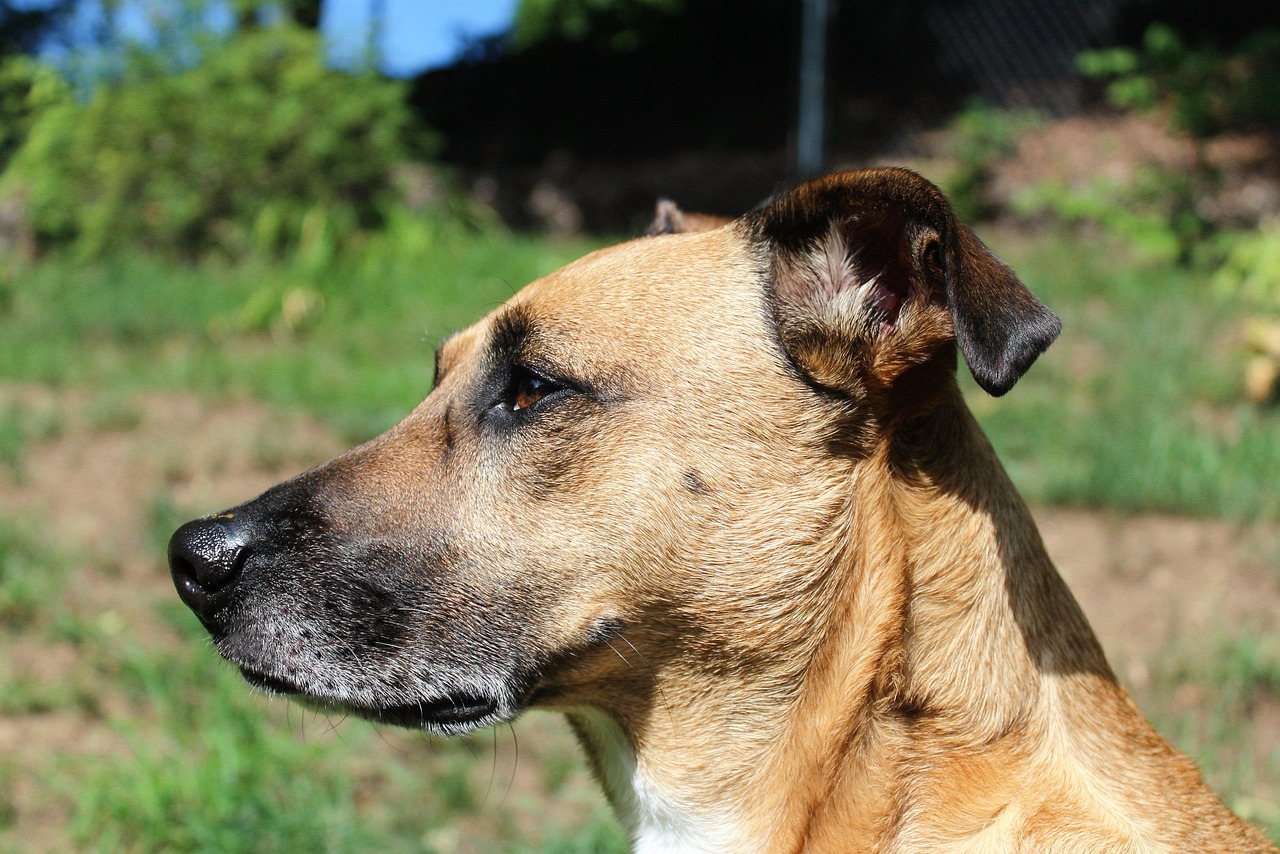

The Role of Routine in Improving Shelter Dog Behavior
Routine is essential in establishing a sense of security for shelter dogs, who often experience stress and anxiety from being in unfamiliar environments. When shelter dogs have a predictable daily routine, they are more likely to feel safe and comfortable. This predictability helps them to adjust and thrive despite their previous experiences. A consistent schedule can include regular feeding times, play sessions, and exercise. This not only enhances a dog’s overall mood but also contributes to better behavior. The need for routine is rooted in a dog’s instinctual behavior, where a structured environment can mimic natural settings. In addition to daily routines, shelter staff can work on creating enriching environments that encourage dogs to engage in physically and mentally stimulating activities. Social interaction, both with humans and other dogs, is vital for developing their social skills. Therefore, shelters can create opportunities for dogs to interact and play. Incorporating training sessions into the routine also aids in behavior modification, as dogs respond well to consistent commands and guidance from their handlers.
Behavioral issues in shelter dogs can range from anxiety to aggression, which often stems from their unpredictable past experiences. Understanding the root causes of these behaviors is crucial in addressing them effectively. Many shelter dogs have been abandoned or neglected, leading to fear and trust issues. This makes the implementation of routine more crucial for their rehabilitation. Routines not only help shelter staff to monitor the dogs’ behaviors but also allow for better assessment of individual needs. Staff can readily identify which dogs require more attention or specific interventions based on their responses to the structured routines. As dogs become accustomed to routines, they begin to show improvements in their behavior over time. For example, a dog previously reactive towards visitors may become more sociable as it learns to associate routine interactions with positive experiences. Keeping track of each dog’s progress through a daily log allows for data-driven decisions, ensuring that each animal receives tailored care. Regular training classes can also complement the routines, reinforcing good behavior. Both the dogs and the staff benefit from a supportive environment, reducing stress for everyone involved.
Creating a Positive Environment
A well-maintained environment is equally vital for the success of routines among shelter dogs. The physical space a dog inhabits can influence its ability to adapt to routines effectively. Shelters should aim for cleanliness and organization, ensuring safe spaces for the dogs to interact and explore. Providing proper bedding and a quiet area can also help alleviate stress for the dogs. A well-structured environment also reduces competition among dogs, minimizing aggressive tendencies. Designated play areas, quiet zones, and feeding areas should be clearly defined to help dogs navigate their surroundings confidently. Along with a safe and conducive atmosphere, incorporating appropriate toys and activities into routines can make a significant difference. They help in stimulating a dog’s mind and providing a healthy outlet for excess energy. Toys that promote problem-solving can be particularly beneficial in keeping dogs engaged. Shelter volunteers can rotate toys regularly to maintain interest. The goal is not just to improve behavior but to foster a love for learning and exploration, creating a more harmonious atmosphere for both dogs and staff members alike.
The Importance of Consistency
Consistency in applying routines cannot be overstated when it comes to improving shelter dog behavior. Dogs thrive on predictable patterns, and inconsistent handling can create confusion and anxiety. Every handler in the shelter must be on the same page regarding the established routines. Training commands, feeding schedules, and interaction times should be uniform to prevent mixed signals, which can be detrimental to a dog’s emotional well-being. Therefore, regular staff meetings to discuss routines and behaviors are critical. Sharing observations on how different dogs react to various routines can lead to effective adjustments tailored to individual needs. Training staff to understand the behavioral triggers of shelter dogs is equally important. Education can empower everyone involved to respond appropriately to behavioral issues that arise. Additionally, volunteers and visitors should also be informed about the importance of maintaining routines to ensure a cohesive approach. Training programs for new volunteers should stress the need for consistency without exception. With everyone involved understanding and applying these routines, the collective impact on improving the mental and emotional health of shelter dogs is far-reaching.
Another vital component of improving shelter dog behavior through routine is establishing trust. Creating a bond of trust between shelter staff and dogs is essential for successful behavioral intervention. When dogs feel safe with their handlers, they are more likely to engage positively during training. Regular positive reinforcement during routines fosters a healthy relationship, making dogs more receptive to learning. Building this rapport takes time, particularly with fearful or anxious dogs. Staff members must display patience and compassion while allowing dogs the space to come to them. Low-pressure interactions often yield better results. When a dog learns to trust its handler, it becomes more cooperative during training sessions, leading to better behavior overall. Structured routines allow handlers to monitor each dog through specific interactions and record improvements more effectively. This gradual approach helps dogs to feel more confident over time. Once trust is established, shelter dogs can become vibrant, confident companions ready for adoption. Ultimately, the improvement in behavior benefits not just the dog but also enhances the experience of potential adopters, facilitating smoother transitions into new homes.
Engaging the Community
Engaging the community around the shelter also plays a critical role in improving shelter dog behavior through structured routines. Outreach programs can educate community members on the significance of routine for dogs, promoting adoptions and fostering a sense of responsibility towards animal welfare. Involving the community in daily activities can provide vital socialization for shelter dogs. Regular events, such as open houses, training demonstrations, and volunteer days, can attract public interest, encouraging local residents to participate actively. Volunteers can assist with establishing routines and providing engagement for the dogs, ensuring they receive ample social interaction. Programs like ‘adopt a dog for a day’ can introduce the dogs to new environments, helping them adapt to their future homes, mitigating behavioral issues. Moreover, community engagement can facilitate funding and donations, allowing shelters to invest in better training resources and facilities. Enlisting the help of local businesses can also enhance these efforts. Involving the community fosters a collaborative spirit that supports shelter dogs and creates lasting relationships between shelters and the public.
In conclusion, implementing a consistent routine in shelter environments is crucial for addressing behavioral issues in shelter dogs. Establishing such routines can significantly enhance the emotional and mental well-being of these animals. Through structured routines, dogs become more familiar with their surroundings, reducing anxiety and stress while building confidence and trust in their handlers. The key elements of routines include consistency in training and approaches, a nurturing environment, community engagement, and trust-building efforts. These aspects collectively contribute to diminishing behavioral problems and facilitate successful adoptions. Shelters should always assess and adjust routines to fit the individual needs of their resident dogs continuously. Regular evaluations of behavioral progress ensure that staff opportunities for enhancement are not overlooked. By investing effort in developing a structured routine, shelters can create a safer and more welcoming environment, ultimately transforming the lives of countless dogs in need. The future of shelter dogs can be bright when adopting these best practices. With community support and dedicated staff, we can help shelter dogs lead fulfilling lives, paving the way for successful, loving forever homes.
In summary, understanding the role of routine in improving shelter dog behavior is fundamental for effective rehabilitation. Animals that adapt to structured environments show remarkable improvements in general behavior. Shelter staff play an essential role in solidifying these routines and their effectiveness. It is through sustained efforts and dedication that shelters can uplift not just the dogs in their care but the entire community as well. Each dog has the potential for growth and transformation when provided the right environment and support. There is a certain satisfaction and joy that comes from watching a once-anxious dog flourish in a loving home. Therefore, organizations must continue to explore innovative activities, training programs, and community alliances that benefit both dogs and humans. The lasting impact of these efforts will resonate throughout society, promoting a compassionate approach towards all homeless animals. Ultimately, improving dog behavior in shelters is not just a task; it’s a collaborative movement that requires everyone’s participation. By committing to establishing reliable routines, we can indeed pave the way for happier, healthier dogs ready for adoption.