
Creating a Routine to Make Vet Visits Less Stressful for Your Cat
When preparing your cat for vet visits, establishing a consistent routine can significantly minimize anxiety. Begin by familiarizing your pet with the carrier, making it an integral part of their environment. Leave the carrier in a common area with the door open, allowing them to explore it at their leisure. Place treats or toys inside to create positive associations with the carrier. Since cats are creatures of habit, a routine that involves gentle handling, such as lightly touching and stroking your cat, can create a sense of security. Gradually increasing the time they spend in the carrier before a vet appointment builds familiarity. On the day of the visit, aim for a calm atmosphere at home. Keeping your voice soothing and providing your cat with a cozy blanket can enhance their comfort during travel. Behavioral enrichment, like interactive toys, helps to redirect their focus from stress to play. These measures make vet visits significantly less daunting, ensuring your cat feels safe and secure throughout the process.
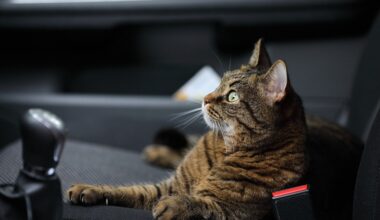
A vital part of preparing for vet visits involves desensitization to the car. Cats may find the car intimidating, so gradually acclimating them to the vehicle is crucial. Start by letting your cat explore the car while it’s stationary, encouraging curiosity without the stress of movement. Use calm tones and treats to reward positive behavior and gradually introduce them to short car rides, starting with trips to pleasant destinations. Keep these early journeys brief and enjoyable, building up to longer trips over time. Since different cats respond to stress in varying ways, observe their behavior during these introductions, making adjustments as necessary. Ensuring the car’s environment is comfortable, with familiar blankets or toys, can help mitigate anxiety. Additionally, consider using pheromone sprays or calming collars to further ease their nerves during the trip. Communicating with your veterinarian can provide further support; some may offer tips tailored to your cat’s individual needs. Remember, patience is key to this process, so remain calm and affectionate to help them understand that traveling in the car can be a positive experience.
Implementing Positive Reinforcement
Utilizing positive reinforcement techniques is essential for encouraging desirable behavior in your cat leading up to vet visits. Whenever your cat enters their carrier willingly, reward them with treats or affection. This reinforces the idea that the carrier is a safe and rewarding space. Early in the training process, provide frequent rewards to build a solid foundation of trust. As your cat becomes more comfortable, begin to include more complicated tasks that require cooperation, such as practicing handling and ensuring they remain calm when being touched or examined. These training sessions should always be brief and enjoyable. Use a calm demeanor, and avoid scolding or force, offering praise instead. Additionally, introducing veterinary tools gradually, like a stethoscope or thermometer, can familiarize your cat with the equipment they will encounter during a visit. When they appear relaxed around these items, increase the complexity by introducing new tools slowly. These methods are not just for preparation; they can also improve your relationship with your cat, enhancing trust and cooperation. Engaging with them positively will undoubtedly aid in making vet visits a smoother experience.
Another useful strategy is creating a relaxing environment in your home before the vet visit. Spend time with your cat in their favorite area, incorporating their favorite toys and blankets to provide a sense of security. If you have multiple pets, ensure they aren’t disturbed during the preparations; this can help mitigate competition and stress. Consider using calming music or a pheromone diffuser in the home during this period to create an atmosphere that promotes tranquility. Allowing your cat to feel at ease before the visit is crucial, as heightened stress levels can lead to negative experiences. A few days before the appointment, avoid making abrupt changes to their routine. Doing so can prevent unnecessary anxiety. When traveling to the vet, ensure the car is at a comfortable temperature, and avoid loud music or sudden movements that might frighten your cat. If your vet has specific recommendations for reducing anxiety, be sure to follow them, as guidance from a professional can have beneficial effects. Every bit of preparation aids in ensuring a less stressful experience, providing your cat with the best possible outcome.
Utilizing Distractions During the Visit
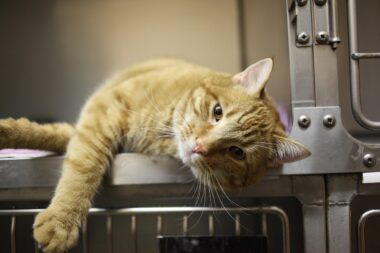
At the veterinary clinic, distractions play a significant role in reducing your cat’s stress. Bringing along some of your cat’s favorite toys or treats can keep them engaged and comfortable in unfamiliar surroundings. You can also use a familiar blanket that carries their scent, which can provide comfort amidst the new experiences. Distraction techniques can be vital in redirecting their focus from potentially stressful stimuli, such as barking dogs or unfamiliar smells. Consider bringing along catnip or special treats that they only receive during these visits, creating a positive association with the clinic. Furthermore, engaging with your cat through gentle petting or soothing words can help reduce anxiety during the appointment. The veterinary staff can also play a crucial role in making the experience more pleasant; thus, communicating your anxiety or concerns can help the staff provide better assistance. They may offer to let you hold your cat during examinations and ensure procedures are performed smoothly. These small adjustments can significantly improve your cat’s perception of vet visits and eventually lead to more positive experiences for both of you.
Following the vet visit, it’s essential to maintain positive experiences at home following any potentially stressful event. Once you return, spend quality time with your cat to reinforce the idea that coming home is a positive experience. Prepare their favorite meal as a reward, and engage in interactive playtime activities they enjoy. This post-visit routine can help erase any negative impressions formed during the appointment. Cats thrive on routine, so maintaining familiar daily activities following the vet visit reinforces a sense of normalcy. Gradual systemic desensitization may still be needed if your cat exhibits pronounced anxiety, so continue following previous training regimens consistently. Regularly utilizing techniques discovered during training can further cement their comfort level. If your cat needs continued visits to the vet, try to apply these strategies consistently to help weather the storm of repeated appointments. Keeping in contact with your veterinarian’s team can also offer insights into improving your pet’s future experiences, leading to a more beneficial relationship between all parties. Each successful visit strengthens the bond between you and your furry companion, enhancing both trust and cooperation.
Conclusion: Building a Lifelong Routine
Creating a routine for vet visits is a worthwhile endeavor for both you and your cat. With consistent training, positive reinforcement, and an understanding of your cat’s needs, it can develop into a more manageable experience. Each visit is an opportunity to teach your cat that the vet is a place where they are cared for, and with patience and dedication, you can transform a potentially stressful situation into a positive interaction. Keeping your focus on comfort, security, and trust will foster a better relationship between you, your cat, and the veterinary staff. By investing time and effort into these preparatory routines, you better equip your cat to face various challenges throughout their life, reducing their anxiety and enabling them to thrive. Furthermore, embracing the nuances of their personality makes for better interactions, allowing you to advocate effectively for their needs. While not every appointment will be perfect, embracing the process invariably leads to better experiences in the long run. Ultimately, succeeding in this pursuit not only benefits your cat but also enhances the bond you share, making every visit a step closer toward a stress-free experience.
In conclusion, your efforts in making vet visits less stressful for your cat will yield long-term rewards. By understanding their needs, acknowledging their fears, and practicing patience, you equip them with the emotional resilience necessary against stressors. Cat training is not just about controlling behavior; it’s about nurturing trust and communication between you and your pet. Engagement in this process reinforces your role as a caregiver who advocates for their well-being. As your companion grows accustomed to regular veterinary check-ups, they will likely exhibit less anxiety, promoting better health outcomes. Not only are regular vet visits crucial for ensuring your cat’s well-being, they also enhance their quality of life. Through methods highlighted in this article, you can create a structured approach that serves your cat’s best interests. Each visit transforms from a fearful obligation into a more routine part of their life, fostering a happier, healthier pet. You, too, will find greater peace of mind as you see your cat respond positively to these experiences. With investment and care, the entire process becomes smoother, enriching the relationship you share with your beloved feline.