
The Role of Flea and Tick Microbiomes in Parasite Survival on Cats
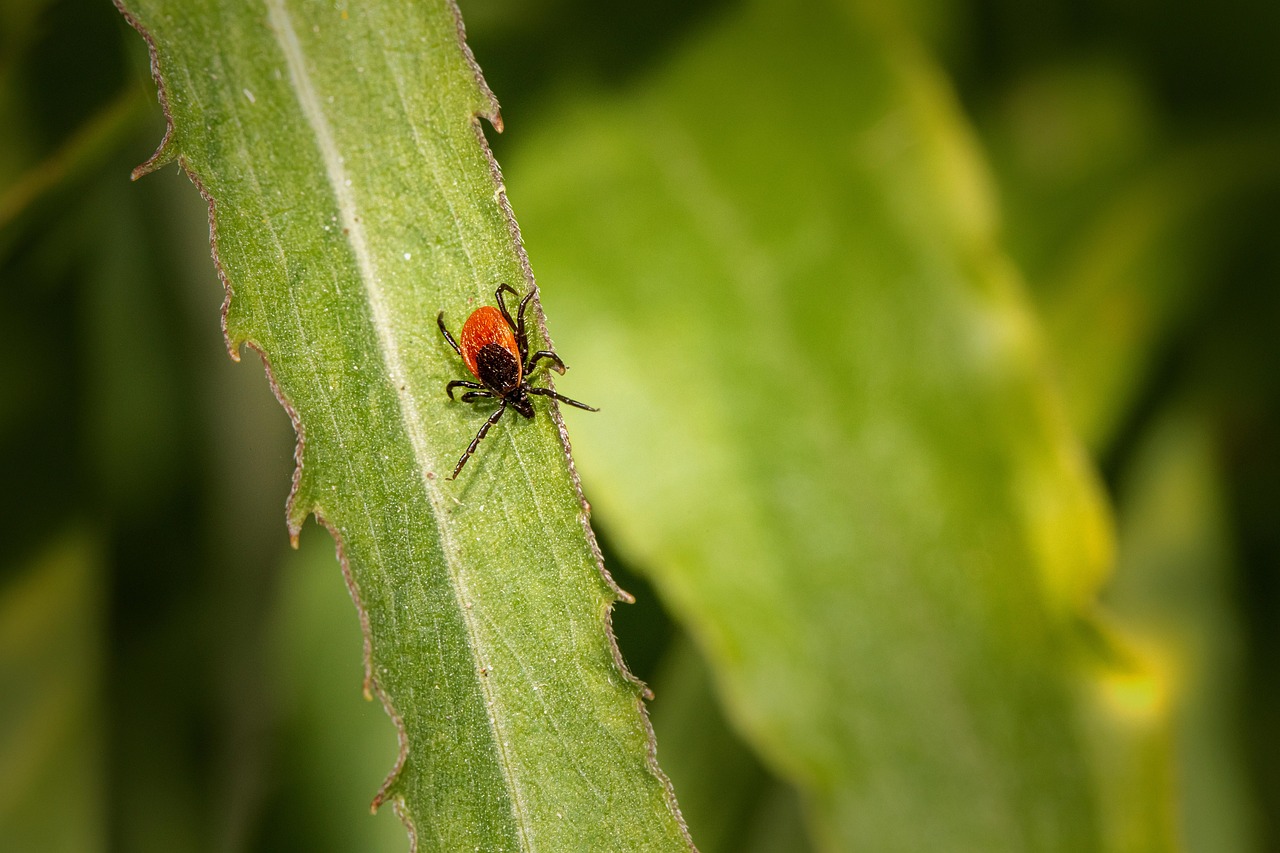
Fleas and ticks are not just nuisances for cats; they also play a crucial role in the ecosystem of their microbiomes. These tiny parasites thrive on blood and can make felines severely uncomfortable. Understanding the interactions between fleas, ticks, and cat microbiomes is essential for effective control strategies. It is well-documented that fleas and ticks harbor a diverse range of bacterial communities, which they transmit to their hosts, shaping the feline microbiome itself. These microorganisms can influence the cat’s immune response, potentially enhancing the parasites’ survival. Research shows that certain bacteria can increase the mosquitoes’ attractiveness to prey. The presence of these microorganisms within flea and tick populations can also affect their reproductive rates and longevity. Moreover, changes in the cat’s microbiome may lead to heightened susceptibility to infections. Therefore, controlling flea and tick infestations is vital for maintaining a healthy microbiome in cats. Comprehensive approaches, including both preventive measures and less invasive treatments, contribute to better management of these parasites, safeguarding feline health significantly.
Understanding Tick and Flea Microbiomes
The complexities of flea and tick microbiomes are fascinating and critical in understanding parasite survival. Fleas, for instance, have an array of microorganisms that facilitate their digestion and nutrient absorption. Significant variations in these microbiomes can determine how long the organism lives and how effectively it reproduces. Similarly, ticks harbor diverse bacterial species, impacting their feeding habits and survival. The adaptability of flea and tick microbiomes is a testimony to their evolution alongside cats, finding specific niches that enhance their chances of survival. Studies indicate that fleas with different microbiomes can affect the overall health of their hosts, leading to allergic reactions, anemia, and even diseases like Lyme disease. Researchers focus on these interactions, as knowing how flea and tick microbiomes work could unveil new therapeutic approaches to managing parasitic infections. By studying soil, vegetation, and host interaction, scientists can better understand the conditions that favor flea and tick prevalence. Adequate research efforts aim to pinpoint how modifications in these environmental factors contribute to the dynamics of flea and tick populations.
The relationship between flea and tick microbiomes and their hosts is not entirely one-sided. While they may depend on cats for nutrition and habitat, these parasites also shape the health and well-being of their feline hosts significantly. Fleas and ticks can lead to inflammation and skin irritation, partly due to their overall microbiome composition. The microbiomes of these parasites can introduce pathogens into the cat’s system, which may provoke an immune response leading to additional complications. Furthermore, the interaction between the cat’s microbiome and the gut microbiome of parasites can unveil pathways of disease transmission that have been overlooked. When fleas infest a cat, the microorganisms they carry may become established within the cat’s gut and skin. This event creates a new integrated microbiome that influences the cat’s overall health. Such relationships emphasize the need to consider both host and parasite microbiomes when addressing parasite control. Improved awareness helps pet owners make informed decisions about integrated parasite management practices that benefit overall feline health.
Impact of Microbiomes on Cat Health
Microbiomes play a fundamental role in determining the health of both fleas and ticks, as well as that of their feline hosts. An imbalance or disturbance in these microbial communities can lead to various health issues. For instance, a cat’s microbiome can significantly influence its immune responses to flea-induced infections. Horses or livestock can be carriers of parasites that flourish due to similar interactions seen in household cats. Research indicates that when the microbiomes of fleas are diverse and healthy, they can thrive better, increasing opportunities for bacterial transmission. This situation is concerning, as parasites serve as vectors for diseases, transferring harmful bacteria to the host. Preventing microbial imbalances in flea and tick populations can help control their reproductive success rates. Additionally, pet owners should remain vigilant for signs of infestations, which can damage the cat’s health. Handling flea and tick issues quickly through proper management strategies, including preventive measures, can help ensure healthier feline lives. An integrated approach emphasizing the significance of microbiomes can considerably reduce parasite-driven health risks for cats.
Moreover, ongoing research aims to decipher the significance of flea and tick microbiomes in veterinary practices. By comprehensively understanding these microbial communities, practitioners can develop more targeted treatments and preventive measures for infestations. Flea and tick control protocols would benefit from incorporating microbiome analysis to assess risk levels associated with various populations. Various potential therapies, such as probiotics, may be explored to create hostile environments for parasites while supporting the cat’s normal microbiota. The notion of managing host microbiomes parallels the goal of minimizing parasite burden. Innovative techniques focusing on the unique factors influencing the dynamics of these microbes can contribute to successful feline healthcare solutions. Scientists are actively investigating whether any specific bacterial strains could be manipulated to disrupt the life cycles of fleas and ticks. Identifying such strains would aid in creating novel treatments that could be combined with traditional flea and tick medications. In turn, veterinarian practices will be better equipped to manage the complex interactions between the parasites and their host’s health.
Preventive Measures Against Infestations
With the knowledge of microbiomes in mind, preventive steps against fleas and ticks become paramount. For cat owners, ensuring a flea-free home environment should be a primary concern. Regular house cleaning, vacuuming, and washing bedding can help disrupt the life cycles of these parasites. In addition, using appropriate treatments on cats, including topical medications and collars, can protect them from infestations. Consultations with veterinarians can further guide the selection of effective remedies tailored to specific cats. Furthermore, the introduction of Flea and Tick preventive medications can play a significant role in maintaining a healthier cat microbiome. Strategies should also extend to outdoor environments, as these are often breeding grounds for parasites. Maintaining lawns, gardens, and outdoor areas can make a difference. Providing an integrated strategy combines chemical treatments with functional natural methods, ensuring that cats benefit from the protective measures. Therefore, it is essential to maintain an awareness of seasonal variations in flea and tick populations to better prepare and safeguard feline friends against potential infestations.
In conclusion, understanding the role of flea and tick microbiomes is crucial in controlling these parasites effectively. As research continues to unfold, the intricate relationships between cats, fleas, and ticks will provide valuable insights helping in developing comprehensive control strategies. Growing knowledge on microbiomes opens up pathways to innovative treatments, enhancing feline health and welfare. Continuous dialogue between veterinarians, pet owners, and researchers will be vital in addressing the challenges posed by these parasites. Staying informed about emerging research and evidence-based practices will lead to more effective parasite management. Moreover, exploring alternative and holistic approaches that consider the microbiome dynamics presents opportunities for developing targeted interventions. As the field of parasitology evolves, understanding flea and tick-host interactions will empower cat owners to protect their beloved pets better. By prioritizing feline health and safeguarding against infestations, we can ensure our cats lead happy, healthy lives free of the discomfort created by fleas and ticks. Therefore, ongoing education, awareness, and proactive measures are pivotal in achieving optimal results in cat parasite control.
Future Research Directions
The future of flea and tick management lies in our understanding of microbiome interactions. Ongoing research endeavors will aim to establish how these microbial communities can be influenced to mitigate infestations effectively. Specialists consider the potential for engineered treatments that target specific bacteria to control flea or tick populations. These novel approaches may offer alternatives to chemical pesticides, known for their health and environmental impacts. Continued studies into how these partnerships can be regulated to enhance natural defenses in felines is paramount. The exploration of microbial manipulation as a preventive strategy deserves further attention. Investigating the long-term outcomes of these potential treatments will be essential for ensuring safety and efficacy. Concurrently, the potential utilization of natural predators or competitors to disrupt the life cycles of fleas and ticks holds promise but requires rigorous investigation. Understanding how environmental factors, such as climate change, influence these microbial interactions will shape future strategies. A collaborative effort among ecologists, veterinarians, and biochemists will be advantageous in addressing this multifaceted issue. Monitoring and adapting to changes will pave the way for informed decisions impacting feline health positively.