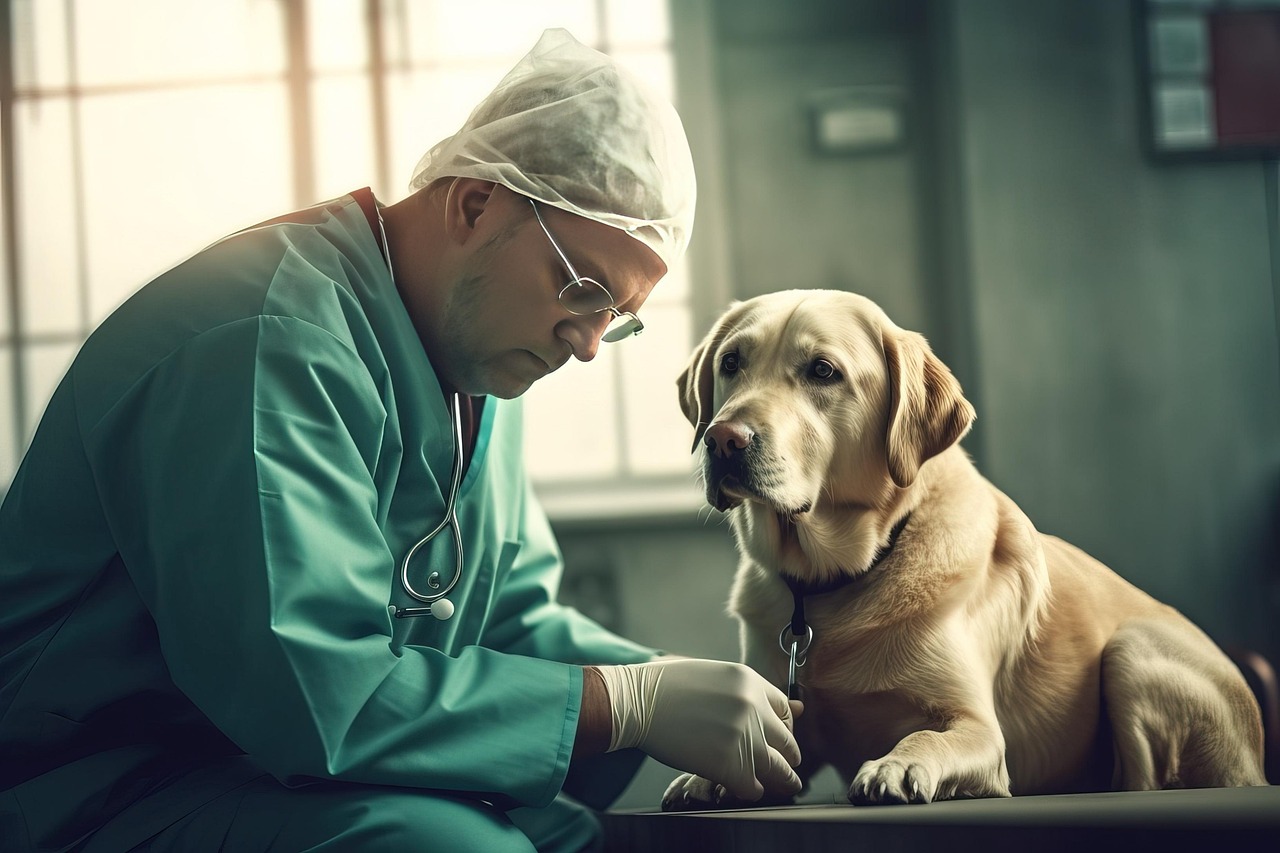

When to Worry About Vaccine Side Effects in Dogs
Dog vaccinations are critical for maintaining your pet’s health. Vaccines protect against severe diseases such as rabies, distemper, parvovirus, and hepatitis. However, while vaccinations are essential, they can sometimes lead to side effects in dogs. Recognizing these side effects early can make a significant difference in your dog’s well-being. Some dogs may react to vaccines within hours, while others might take longer. Common reactions may include low-grade fever, soreness at the injection site, or mild lethargy. It’s essential for every dog owner to educate themselves about these signs. Being attentive and informed may help in determining whether a visit to the veterinarian is necessary. Most side effects are usually mild and temporary, resolving within a couple of days. However, serious reactions can occur, and knowing the signs can help you act swiftly. Be sure to communicate any changes in your dog’s behavior to a vet. Your vigilance can help ensure that your dog remains healthy and happy after vaccinations. Always consult with your veterinarian to determine the best vaccination schedule for your dog.
Side effects to watch for generally fall into two categories: common and severe. Common reactions include localized swelling, mild fever, or irritability. While they may be concerning, they typically resolve on their own. These mild side effects can be attributed to the body’s immune response to the vaccine ingredients. However, severe reactions, though rare, can occur. Anaphylaxis is one such serious side effect that requires immediate attention. Recognizing symptoms of anaphylaxis is critical; these include difficulty breathing, swelling of the face, or hives. If you notice any of these symptoms, seek veterinary assistance immediately. Additionally, some dogs might develop autoimmune issues after vaccination, leading to conditions like vaccine-associated sarcoma. Understanding the distinction between mild and severe reactions allows you to act appropriately. Always monitor your dog closely for a few days post-vaccination. It’s crucial to maintain a record of any reactions in case you need to refer back to them later. Consult your veterinarian if any worry or concern arises about your dog’s health post-vaccination.
Understanding Vaccine Schedules
The timing of vaccinations plays a vital role in protecting your dog from disease. The American Veterinary Medical Association typically establishes vaccine schedules to follow. Puppies receive a series of vaccinations starting around six weeks of age, which helps protect them during a vulnerable period. These vaccinations are generally administered every three to four weeks. Core vaccinations, such as those for distemper and parvovirus, are essential. In contrast, non-core vaccines, like the Bordetella vaccine for kennel cough, depend on your dog’s lifestyle. After the initial series, adult dogs usually receive boosters annually or every three years, depending on the vaccine type and veterinarian recommendations. It’s critical to adhere to the recommended schedule for the best protection against illnesses. Always communicate with your veterinarian about any health issues or previous reactions your dog may have experienced to ensure a tailored vaccination plan. A personalized schedule may be more beneficial for your dog’s specific needs and condition. Following guidelines and adjusting based on your dog’s health is crucial for their continued well-being.
After vaccinations, some pet owners notice various behavioral changes in their dogs. While mild lethargy or reduced appetite can be a normal reaction to receiving a vaccine, owners should still observe for concerning signs. Other behavioral changes can include increased hostility or whining, particularly when pressure is applied to the injection site. If your dog exhibits prolonged or severe behavioral changes, consider visiting your veterinarian. Social interactions and playtime should return to normal over time. Being observant allows you to catch potential reactions early on. Keeping track of when vaccinations are administered can help you correlate behavioral changes effectively. If your dog seems unusually withdrawn, it might be time for a check-up. Engage in interaction that encourages your dog while being mindful of their physical limits. Your dog’s health and comfort are paramount after receiving a vaccination. By monitoring these behaviors for a few days post-vaccination, you can effectively gauge your dog’s recovery and reaction to the vaccine. Investing in this observation period is beneficial for your canine companion.
When to Seek Veterinary Care
Knowing when to seek veterinary care after vaccinations can be a challenge. While most side effects are mild and resolve naturally, some warrant immediate attention. If your dog shows signs of difficulty breathing or collapses, seek emergency care right away. Other symptoms include seizures, severe vomiting, or persistent diarrhea. You should never ignore changes such as excessive lethargy or severe swelling at the injection site. The timeline of reactions can vary; some dogs display symptoms within hours, while others may take a couple of days. Documenting the onset of any concerns can be incredibly useful during veterinary consultations. Always trust your instincts as a pet owner; if something feels off, don’t hesitate to consult your veterinarian for guidance. A professional evaluation can ensure your dog receives the necessary care. Vaccination experiences can vary greatly among individual dogs, and personalized care is essential for their health. Timely intervention can make a crucial difference in outcomes when serious reactions arise.
Your dog’s health information is crucial when discussing vaccinations and potential side effects with your veterinarian. Having a comprehensive medical history can provide insights into predispositions or previously observed reactions. Inform your vet of past reactions to any medications or vaccines your dog has received. This information allows the veterinarian to modify the vaccination approach if necessary. It may also be beneficial to mention the dog’s breed, age, and health status due to varying responses to vaccines. Your veterinarian can tailor vaccination schedules specifically for your dog’s health needs. Always keep a record of which vaccines your dog has received, including dates and any side effects. This can be helpful for future consultations or if your dog’s health changes unexpectedly. The relationship between you and your veterinarian significantly impacts your pet’s overall wellness. By working closely together, you can ensure your dog’s vaccinations are managed effectively. Awareness and attention to detail are key components of a successful vaccination experience.
Conclusion
Ultimately, vaccinations are a cornerstone of preventive care for dogs, making understanding their effects fundamental. Once properly educated about vaccinations, you can provide the best care for your pet. Be proactive in discussing any concerns with your vet, and ensure that you and your dog are working together towards a long and healthy life. Regular veterinary check-ups can also offer valuable insights into your dog’s ongoing health and vaccination needs. Monitor your dog’s health closely, especially after vaccinations, as early intervention can be key to preventing serious issues. Remember that every dog is unique, and their vaccination response can differ considerably. Stay informed and keep an open dialogue with your veterinarian to optimize your dog’s healthcare. Your commitment to understanding vaccine side effects will surely foster a better environment for your dog’s health. Investing in pet education empowers you to protect our furry friends effectively. With vigilance and proactive veterinary care, you can help ensure your dog enjoys a rich and fulfilling life.