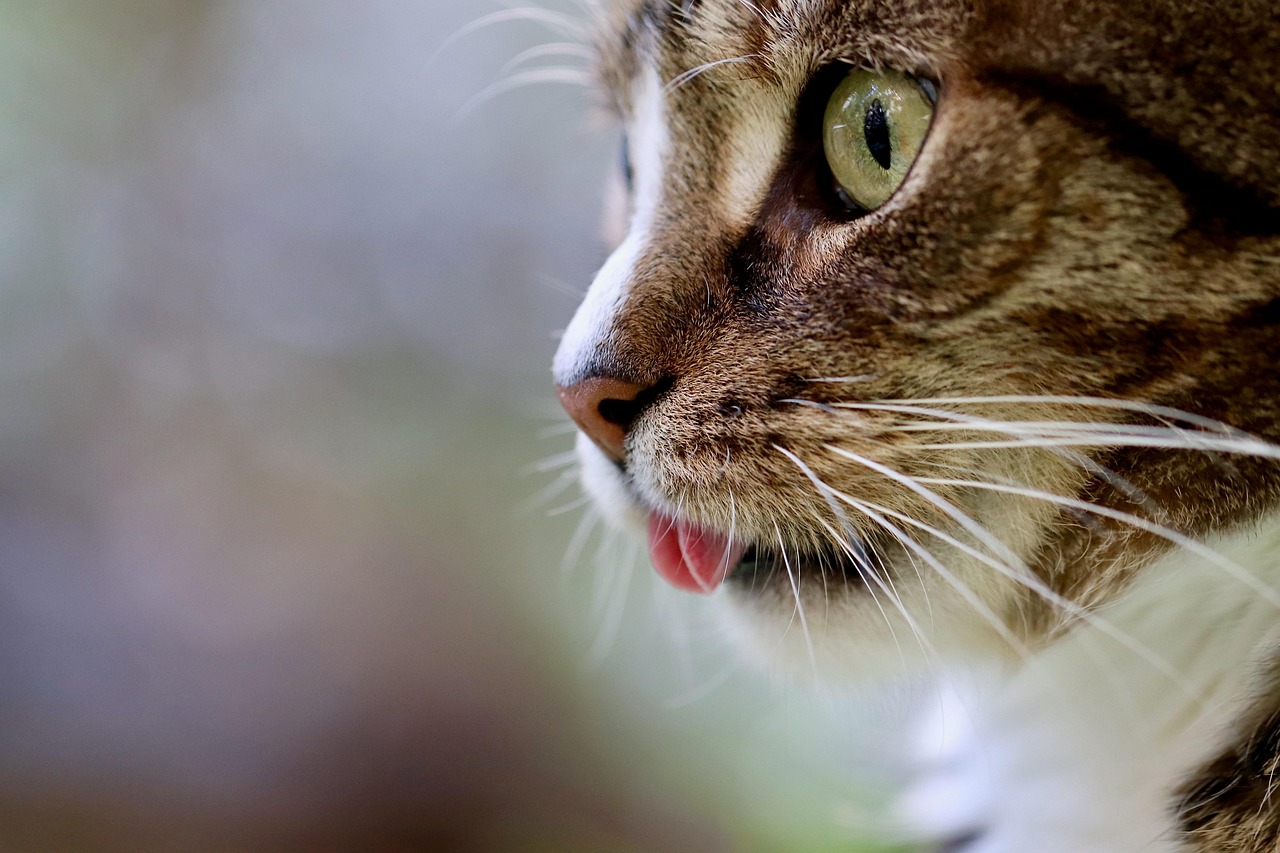

Case Studies on Parasite Resistance in Different Cat Populations
Parasite resistance in cat populations has become an alarming concern for veterinarians and pet owners alike. In various studies, the efficacy of traditional antiparasitic treatments has been evaluated across different geographical regions. A significant factor affecting the effectiveness of these treatments is the development of resistance. For instance, a survey conducted in urban areas revealed a 40% resistance rate among local cat populations to standard treatments like praziquantel and fenbendazole. This alarming statistic emphasizes the urgent need for ongoing research. Environmental factors, such as the level of sanitation and prevalence of stray cats, appear to contribute to the high rates of resistance observed. It is vital for pet owners to understand the potential for resistance, especially if they inhabit areas where parasites are notoriously prevalent. Moreover, veterinarians must be proactive, adjusting treatment protocols to combat these resistant strains of parasites effectively. Regular testing for parasite load and resistance patterns can help guide appropriate treatment choices, ensuring the health and well-being of feline companions. The outcomes of these studies highlight the crucial need for tailored parasite control strategies that consider regional resistance issues in cats.
In recent research, studies focusing on rural cat populations have shown contrasting trends in parasite treatment resistance. Unlike urban cats, rural populations often demonstrate lower resistance percentages, which raises questions about their exposure to various parasite strains and antiparasitic drugs. A survey revealed only a 15% resistance rate among rural cats treated with standard medications. Factors influencing this lower resistance include limited access to veterinary services as well as organic farming practices, where fewer chemicals are used, thus reducing the likelihood of exposure to resistant parasites. Furthermore, the natural hunting behavior of rural cats may help them avoid heavy parasite loads compared to urban counterparts. These findings indicate that habitat and lifestyle significantly contribute to resistance rates among feline populations. However, even within rural areas, ongoing monitoring is crucial to address any potential rise in resistance as a result of changing conditions. Veterinarians must continue to educate cat owners about effective parasite management while considering these unique population dynamics. It’s essential to develop comprehensive strategies that align with the environmental and sociocultural factors influencing these rural cat populations.
Comparative Studies of Treatment Efficacy
Comparing treatment efficacy across varied cat populations provides a comprehensive understanding of parasite resistance patterns. Studies have revealed significant differences in response to treatments among cats from urban, rural, and shelter environments. Shelter cats often exhibit a diverse genetic pool, influencing their ability to resist parasite treatments. In these shelters, a concerning 30% resistance rate to drugs has been recorded. These findings underline the importance of administering both routine treatments and alternative methods such as dietary adjustments or complementary therapies. Genetic diversity plays a critical role here, with some cats exhibiting natural immunity against certain parasites. Implementing regular health checks within shelters can also help reduce the prevalence of resistant strains. By closely monitoring and evaluating each population’s response to treatment, veterinarians can develop custom strategies tailored to the unique needs of different environments. Concurrently, awareness initiatives targeting cat owners about the importance of protecting their pets from parasites must be prioritized. Such initiatives become essential to combat resistive strains effectively and maintain the health of the feline populace comprehensively.
The emergence of new antiparasitic treatments has introduced a potential solution to address resistance concerns amongst various cat populations. For example, studies have shown promising results regarding the effectiveness of combination therapies that utilize multiple active ingredients. These approaches have demonstrated the capacity to overcome resistance mechanisms, thereby enhancing treatment success rates. In particular, recent trials involving novel formulations combining traditional drugs with newer agents have reported up to a 25% improvement in parasite elimination. However, continuous research is vital to track the evolution of resistance and evaluate the long-term efficacy of these new treatment protocols. Moreover, educational programs targeted at pet owners can promote responsible usage, ensuring that medications are administered appropriately without over-reliance on a single treatment option. By fostering cooperation among veterinarians, researchers, and cat owners, comprehensive plans can be put into place to systematically address these evolving issues. Understanding the dynamics of parasite resistance requires collective awareness and proactive engagement from all parties, ensuring a healthier future for cats as they face the mounting challenges from parasitic threats, including the ever-evolving nature of resistance.
Future Directions in Research
Future research must focus on developing more effective methods to prevent and treat parasite resistance in cat populations. Collaborative studies integrating genetics, environment, and treatment methodologies are essential to advance our understanding of resistance mechanisms. By investigating the genetic factors contributing to resistance in different populations, researchers can gain insight into individual susceptibility profiles. This knowledge will prove invaluable for tailoring personalized treatment plans and reducing reliance on less effective medication. Furthermore, assessing the impact of environmental factors such as population density, hygiene practices, and diet on parasite prevalence and resistance will enhance our understanding of this complex issue. Innovative approaches, including the exploration of immunological treatments and probiotics, can offer additional avenues for combating parasites in cats. The application of big data analysis and machine learning may revolutionize how we approach parasite resistance. Patterns can be identified faster than ever before, leading to novel tested strategies. A concerted effort involving researchers, veterinarians, and cat owners is crucial to overcome the growing threat of parasite resistance, ensuring the health and longevity of cats worldwide.
Public health initiatives targeting parasite awareness and control can play a crucial role in mitigating resistance issues. Such initiatives can empower cat owners, providing essential knowledge on responsible pet care and treatment practices. Educational programs focused on recognizing signs of parasite infestations can help ensure early diagnosis and prompt treatment, minimizing the potential for resistance development. Fostering partnerships among local veterinarians, animal welfare organizations, and community leaders can enhance outreach efforts and promote widespread awareness campaigns. Further, encouraging routine veterinary visits will benefit not just individual cats, but also the broader feline community via early detection of parasites. Social media platforms can serve as a powerful tool for disseminating information, driving engagement, and sharing success stories. By leveraging these platforms, informative content tailored to various audiences can raise awareness and motivate action regarding parasite prevention. Ultimately, public health strategies must evolve to counteract parasite resistance effectively. This collaborative approach can create a supportive network that contributes to the overall well-being and longevity of cat populations, while simultaneously addressing the pressing challenges posed by parasites.
In conclusion, addressing parasite resistance among diverse cat populations necessitates a multifaceted approach informed by continuous research, education, and community engagement. The range of resistance observed across urban, rural, and shelter environments highlights the need for tailored treatment strategies that consider the unique factors impacting each population. Ongoing studies will better characterize resistance profiles and will inform veterinarians on effective treatment regimens. In essence, combating this escalating crisis requires a cooperative effort among pet owners, veterinary professionals, and researchers, fostering a shared commitment to ensure cat health and well-being. Equally important is the ongoing dialogue within the veterinary community to share knowledge regarding best practices for parasite management. Emphasizing prevention through regular checks and early intervention will significantly reduce the likelihood of development of resistance. Leveraging technology to streamline data collection and analysis will only enhance our collective understanding of this critical issue. In time, creating a robust framework for effectively managing parasite resistance will not only protect the individual cat but also contribute to the health of broader cat populations, ensuring that pets remain a cherished part of family life.