
Seasonal Considerations in Cat Training with Target Sticks
When engaging in cat training using target sticks, seasonal factors greatly influence success. In warmer months, cats tend to be more active outdoors, which can impact their willingness to train indoors. As a result, it’s important to adapt training sessions accordingly. For instance, you may want to schedule more sessions during the cooler mornings or evenings when cats are more likely to engage positively. Additionally, varying your training environment is crucial in seasonal adjustments. Gradually introducing your cat to outdoor environments can boost their enthusiasm while targeting behaviors in a fresh, stimulating atmosphere.
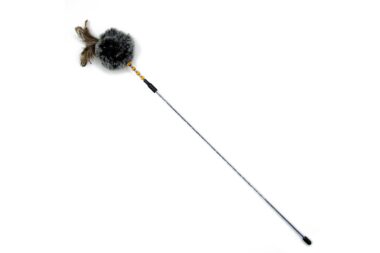
The use of target sticks involves redirecting your cat’s focus, making environmental awareness vital. If it’s too hot outside, your cat may become lethargic, hindering training efforts. A cooler environment is preferable as cats are more prone to responding to training cues. Conversely, during colder months, adjustments must also be made. Indoor warmth can prompt cats to stay more sedentary, and thus training might require more enticing strategies, such as engaging toys or treats. Adjusting the placement and techniques of target stick training according to the season is essential.
Environmental Impact on Training
The environment surrounding your training space may be affected by seasonal changes, from lighting variations to ambient noise levels. In spring and summer, longer daylight hours can positively influence training sessions, providing better visibility for both you and your cat. However, increased noise from open windows can be distracting. It’s important to assess these factors while engaging in training. Similarly, during winter months, the tendency for indoor distractions tends to increase, requiring creativity in training techniques to maintain your cat’s focus. Remember that consistency in your training routine will help.
Incorporating seasonal favorite treats can enhance your cat’s training experience with target sticks. Offering fresh, seasonal alternatives not only motivates your feline friend but also encourages positive reinforcement. During fall, for example, you can introduce scents related to this time of year. Flavors and textures linked to a season evoke curiosity in your cat. A good mix of motivation through tasty rewards will lead to an increase in productivity in training sessions. The success of target stick training can stem from effectively managing reinforcements to fit seasonal preferences.
Adapting Your Techniques
Training techniques must also reflect the seasonal conditions. In warmer seasons, sessions can be shorter but more frequent, allowing you to maintain your cat’s interest and energy levels. Lure them with the target stick to move quickly, taking breaks to avoid overstimulation. During colder months, lengthening your sessions can benefit since indoor activities allow ample space for practice. Thus, focusing on improving precision with the target stick may lead to significant breakthroughs. Fostering a close bond between you and your cat requires adjusting your methods effectively based on seasonal changes.
Positive reinforcement remains crucial year-round. The nature of the reinforcements, however, needs to be tailored according to the season. For instance, providing hydration support during hotter months can maintain your cat’s health and enthusiasm. Conversely, utilizing cozy blankets or warm spaces during cold seasons creates a comfortable training environment. The atmosphere you establish during training is just as important as the training method itself. Recognizing the importance of these environmental factors encourages consistent rate of success while using target sticks effectively.
Conclusion and Final Tips
Overall, understanding how seasons influence your cat’s training can lead to better outcomes. Target stick training has displayed an evolving dynamic influenced by environmental factors. Whether it be heat or cold, adapt your approach to incorporate seasonal benefits while remaining safe. Don’t underestimate the value of your cat’s mood during training sessions; they can fluctuate depending on the season. Consistently observe your cat’s responses, adjusting tactics as necessary. An optimal training schedule involves recognizing and aligning with seasonal behaviors for maximum effectiveness.
Finally, remember that patience during seasons of change builds a stronger bond with your feline. Training with target sticks requires commitment, especially as you navigate through environmental influences. Capturing your cat’s interest can lead to profound behavioral improvements. By understanding the nuances of seasonal changes, you create a more effective training regimen. Whether indoors or outdoors, always prioritize the comfort and well-being of your cat. This practice will ensure a successful training journey throughout the seasonal cycles, bolstering the capabilities of both you and your furry companion.