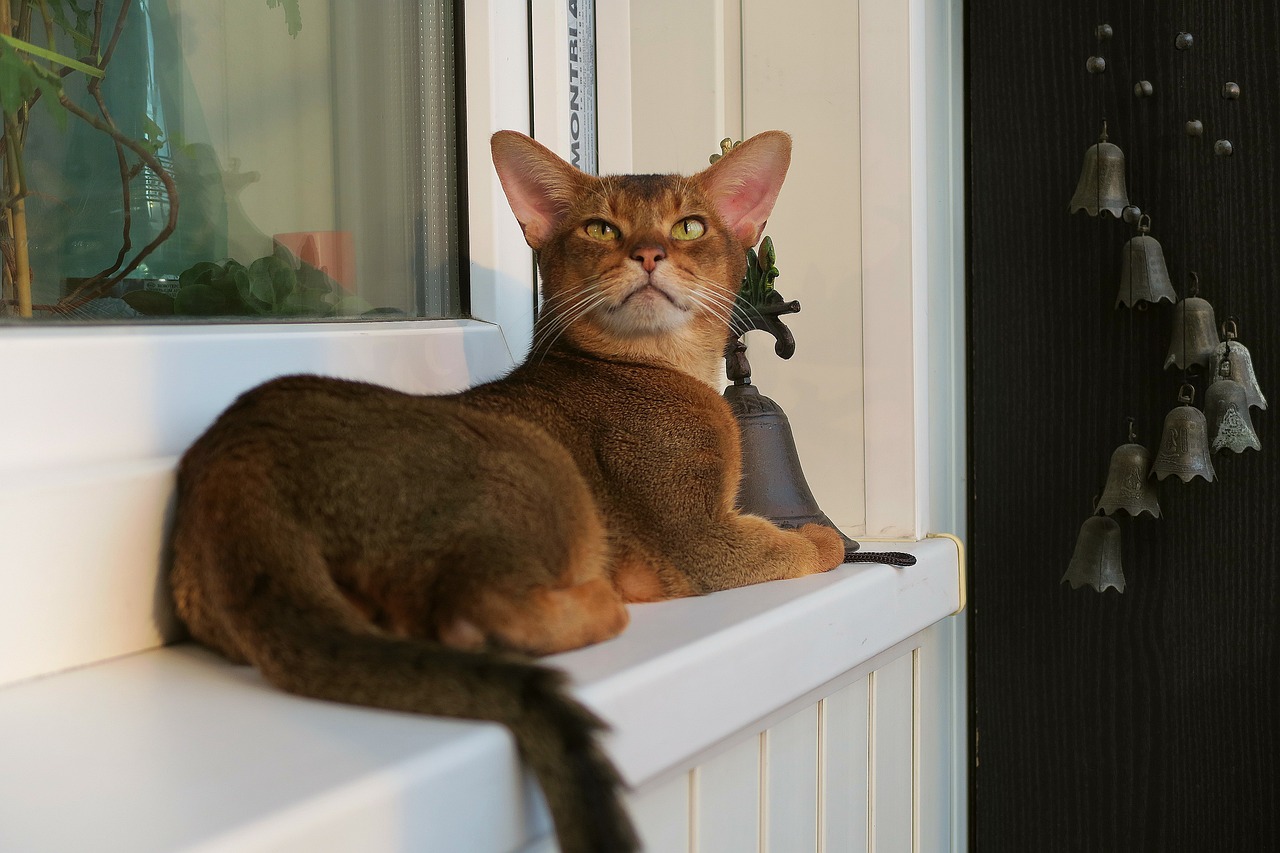

Training Your Abyssinian Cat: Best Practices
Training your Abyssinian cat can be a rewarding experience, forming a stronger bond between you and your feline companion. These cats are known for their intelligence and playful nature, which makes them quite responsive to training sessions. Start with basic commands like “sit” or “come” using positive reinforcement techniques. Use treats or praise to motivate them to learn. Consistency is crucial, and incorporating play can make the process enjoyable for both you and your cat. Ensure training sessions are short, around 5 to 10 minutes, to maintain their interest, as Abyssinians can become distracted easily. Many owners find that clicking training, where you use a clicker to mark the desired behavior, yields fantastic results. Remember to remain patient, as each cat learns at its own pace. Eventually, you can advance to more complex tricks, providing mental stimulation and exercise for your cat. Additionally, engaging training can help reduce common behavioral issues, making your home environment more harmonious for everyone involved. Emphasize the importance of socialization during training, allowing your cat to interact with different environments, people, and other pets.
The Importance of Socialization
Socializing your Abyssinian cat is just as important as basic obedience training. These cats are naturally curious and sociable, and exposing them to different experiences helps them adapt better to various situations. Start socialization early, ideally when your cat is a kitten, but it’s never too late. Gradually introduce new people, environments, and sounds. For instance, invite friends over so your cat gets accustomed to strangers. Each new introduction can shape their behavior positively or negatively, so be mindful of their reactions. Ensure each interaction is positive by using treats and praise, helping your furry friend associate new experiences with pleasant outcomes. Furthermore, take your cat on short trips outside when possible, or to safely explore a new room in your home. You might also consider enrolling them in socialization classes tailored for cats. Make sure your Abyssinian gets ample playtime with other pets if applicable, as this stimulates their social skills. Strong socialization skills can improve your cat’s confidence, reducing anxiety which contributes to problematic behaviors later on. A well-rounded cat is always a pleasure to live with and enjoy.
Choosing the right training tools is essential when training your Abyssinian cat. Various tools cater to different training needs, enhancing the overall experience for both you and your pet. A clicker is a popular training tool that can be extremely effective when paired with positive reinforcement. It provides a consistent sound that signifies praise, helping your cat understand which behavior is desired. Additionally, using a variety of treats can keep your Abyssinian motivated. Foods like small bits of chicken, fish, or a favorite cat treat work wonders. Make sure to choose healthy options and avoid overindulgence during training. Besides food rewards, consider utilizing toys, especially interactive ones such as feather wands or laser pointers. These not only serve as a reward but also engage your pet physically and mentally. Remember, the key to successful training lies in timing, so reward immediately upon desired behavior. Always ensure your training environment is free from distractions to help your cat focus. Lastly, keep in mind that every cat is unique and may require different tools or techniques to flourish during training.
The setting for training is vital and can greatly impact the effectiveness of your sessions. Ideally, choose a comfortable area with minimal distractions, which helps keep your Abyssinian focused. Start your training in a quiet room away from loud noises, other pets, or busy traffic. Gradually transition to areas with more sights and sounds as your cat becomes more comfortable and confident in their skills. The environment should be a space where your cat feels safe, as anxiety can hinder learning. When introducing new commands or tricks, repetition in a familiar setting allows your cat to understand more quickly. Furthermore, the time of day can also affect training effectiveness; observe when your Abyssinian is most alert and attentive, often after feeding or playtime. To minimize stress, only train for short periods, perhaps during their peak activity times. Remember, a positive, calm atmosphere is essential for successful training sessions. Once your cat masters a behavior, you can gladly change locations for more challenges, ensuring they adapt well to various environments.
Consistency is Key
Consistency is critical when training your Abyssinian cat, especially regarding commands and expectations. All family members should use the same terms for commands and rewards to avoid confusing your cat. For instance, always use “sit” instead of mixing terms like “down” and “stay.” This consistency helps the cat understand the commands better; mixed messages can lead to frustration for both you and your pet. Establish a training routine that incorporates daily practice to reinforce learning and make it part of your cat’s schedule. Integrating brief training sessions into your daily life, such as before meals or during playtime, can be very effective. Furthermore, it’s essential to remain patient while training your Abyssinian. Some cats might take longer to grasp certain commands; don’t rush the process. If your cat seems discouraged, take a step back and reassess your approach. Instead of pushing, celebrate small victories and provide encouragement. This positive reinforcement builds trust between you and your pet while improving their understanding of what you expect during training.
Incorporating play into the training regimen can make the process engaging for your Abyssinian cat. Since these cats are playful by nature, using interactive toys can be a great way to combine training with fun. For example, utilize feather toys or laser pointers as rewards for accomplishing commands. This technique not only motivates them but also maintains their interest throughout the training sessions. Incorporate games like hide and seek by hiding treats around the room for your cat to find once they follow a command. This exercise encourages not only obedience but also exploration and problem-solving skills. Another fun method is to teach your Abyssinian to fetch small items. Start by tossing a lightweight toy and encouraging them to return it to you. Reward their efforts with both treats and esteem to reinforce the behavior. Remember that the more fun and interactive you make the training, the more likely they will enjoy learning. Various training strategies keep your cat engaged and curious. Enhanced engagement leads to a more mentally stimulated Abyssinian, overall enhancing their mental health and reducing problem behaviors at home.
Conclusion
Overall, training your Abyssinian cat requires understanding, patience, and consistency. By establishing a routine, favorable conditions, and engaging methods, you can pave the way for successful training sessions. Remember to keep sessions short and interactive, integrating playtime with learning. Use positive reinforcement techniques such as treats, praise, and toys to motivate your furry friend. Socialization alongside obedience training will develop a well-adjusted, confident cat who can adapt to various environments. Ultimately, the bond you create with your Abyssinian during this training journey will yield joyful moments and lifelong connections. Every cat is an individual, so tailor your methods to suit their temperament and personality. Frequent reassessment of your techniques helps ensure you’re meeting their needs and promoting a positive training experience. Remember to enjoy the process; the laughs, challenges, and victories contribute to a fulfilling relationship with your Abyssinian. Consistent attention and love throughout their training will pay off, leading to a wonderful companion that understands your commands and thrives in your shared environment.
Now that you have the key ideas and practices for training your Abyssinian cat, it’s essential to stay committed. Learning takes time, not only for your feline friend but for you as an owner. Embrace the learning journey, celebrating each step toward achieving your training goals. While cats may sometimes seem aloof, they genuinely appreciate interaction and shared experiences that come from training. Creating a well-mannered and happy Abyssinian will provide countless rewards and joy for you both. The training could even positively influence their general behavior, resulting in fewer issues with scratching furniture or being overly shy. Therefore, embark on this training adventure equipped with love, patience, and encouragement, and watch how your Abyssinian cat transforms into a well-adjusted and happy member of your family, fully engaging in the magic of training. With the right approach and dedication, you’ll witness remarkable improvements, making the time spent invaluable. Cheers to your shared journey of training, and may it lead to a joyful and thriving life together!