
The Impact of Stress on Cat Health During Vet Visits and How to Minimize It
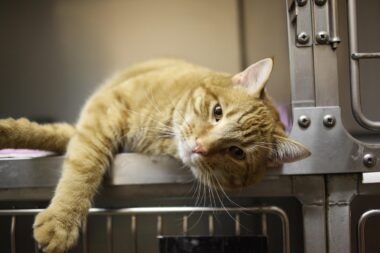
Visiting the veterinary clinic can be a stressful experience for cats, causing anxiety that significantly impacts their health. This stress can lead to physiological changes, including increased heart rates and elevated cortisol levels, which can be detrimental to their overall wellbeing. Understanding the effects of stress on cats is crucial for pet owners. Anxiety tends to manifest through various behaviors such as hiding, excessive vocalization, or aggression. Furthermore, some cats may even experience gastrointestinal issues due to stress, which complicates their veterinary visits. Ensuring that your feline friend is calm before arriving at the clinic is essential. Many cat owners are unaware of the importance of reducing stress during these visits. Moreover, it can prevent deterioration in their mental state and help maintain physical health. Preparing your cat by familiarizing them with carriers or scheduling shorter, less invasive visits can help mitigate their anxiety. Providing a safe, loving environment around vet visits significantly enhances the experience, making it manageable. In turn, this positively influences their overall health and strength, making routine veterinary care more effective.
Understanding how to minimize stress for cats before and during veterinary visits is vital for pet owners. Some strategies include creating a serene environment at home for your cat prior to visits. Prior to the visit, consider practicing getting your cat in and out of the carrier calmly. This might involve rewarding them with treats and praise, reinforcing positive associations with the carrier. Furthermore, try to maintain a calm demeanor yourself, as cats can sense their owner’s anxiety. Use soothing products designed specifically for cats, such as calming sprays or pheromone diffusers, to help ease their tensions. You may also want to consider desensitizing your pet to common veterinary tools, like the thermometer or stethoscope, by letting them see and sniff them at home. Naturally, the environment at the veterinary clinic matters too. Choosing clinics known for their feline-friendly practices can make all the difference. Selecting appointment times when the clinic is less busy can also reduce stress. Ultimately, small adjustments can lead to a better veterinary experience for your cat, ultimately benefiting their health and emotional wellbeing.
Recognizing Stress Signals in Cats
It is essential for cat owners to be adept at recognizing stress signals to effectively manage their anxiety during veterinary visits. Some signs that indicate that a cat might be stressed include flattened ears, dilated pupils, and a lowered body posture. It’s also crucial to note behavioral changes like excessive grooming, hiding, or trying to escape. These behaviors can indicate that your cat is experiencing an overwhelming level of stress. By being observant, you can address these behaviors promptly. It’s advisable to make observations during your cat’s regular activities at home to create a baseline understanding of their behavior during calmer moments. Once you understand how your cat usually acts, it becomes easier to spot signs of stress and anxiety. For example, if your cat becomes more vocal or aggressive than usual when being placed in the carrier, this signals distress. Learning to identify these stress behaviors will not only help during vet visits but will also assist in maintaining a healthy, contented relationship with your cat at home.
Creating a positive association with the veterinary clinic can reduce future stress levels significantly. Before the appointment, you can take your cat to the clinic for a brief visit without procedures, allowing them to explore the environment. This acclimatization reduces fears tied to unfamiliarity and can change their perception of veterinary visits. Remember, each visit should be as positive as possible. A treat can work wonders! After the clinic visit, reward your cat with their favorite treats or an engaging play session to create a strong positive reinforcement following the experience. Regular visits to the vet—even if just for check-ups—help your cat get used to the space, the equipment, and the people there. While every cat is unique in its willingness to adapt, very gentle and consistent exposure can make a significant difference in their stress levels during visits. Alongside this, consult with your veterinarian regarding the possibility of medication for anxiety if your cat shows extreme stress consistently. Addressing these feelings upfront will cultivate a healthier, more enjoyable experience for both you and your cat.
The Importance of Routine Veterinary Visits
Routine veterinary visits play a vital role in maintaining your cat’s health and wellbeing. These check-ups help to catch potential health issues early on, before they develop into serious conditions. Regular examinations can lead to the identification of dental issues, parasites, or changes in weight. These findings are significant for developing suitable treatment plans. Moreover, a strong relationship between the veterinary staff and your cat can further improve their experience during visits. Cats that are regularly handled by the vet become more accustomed to the procedures involved in a typical exam. This familiarity reduces stress and resistance as they become more accustomed to the process. Staying proactive about your cat’s health is imperative to ensure longevity and happiness. Also, routine visits allow for preventive measures, such as vaccinations or flea treatments, ensuring a safe and healthy living environment. Investing time in regular visits ensures that your pet remains healthy and happy. A preventative approach saves both time and money in the long run, ensuring your furry friend is well looked after from a young age. Overall, fostering good habits leads to fewer health scares.
Cats thrive on stability, which means routine checks and a consistent approach can lead to better outcomes when it comes to their health. Doing everything possible to make veterinary visits as quick and pleasant as possible can limit complications surrounding stress and anxiety for both the cat and owner. Ensuring that all involved parties—a cat, owner, and veterinary staff—are engaged with a calm approach is paramount. Proper communication with the veterinary team about your cat’s unique personality traits helps them to tailor their approach and techniques. Discuss worries regarding your cat’s past experiences at the vet and ask the team about methods they implement, like feline-friendly handling or fear-free practices. Use this opportunity to clarify what fits your cat best, making the visit smoother. Always feel free to ask for advice about specific calming techniques or equipment that you can employ around the clinic experience. Knowledge is key to easing your worries and keeping your cat relaxed. Ultimately, if your cat is relaxed and happy, the whole experience will be simplified, leading to better veterinary care for the long term.
Conclusion: Fostering Health Through Stress Reduction
In conclusion, reducing stress during veterinary visits is crucial for maintaining the health of your cat. Employing proactive measures such as acclimatization, positive reinforcement, and behavior recognition significantly contribute to a better veterinary experience for your pet. Knowing the signs of stress in your cat can prevent further escalation and help to foster a trusting relationship with the veterinary staff. Keep in mind, that these professionals have your cat’s best interest at heart and are always available to help. The more they understand your cat’s unique personality, the better they can care for them during potentially stressful situations. Reducing stress during vet visits not only enhances the experience for your cat but also improves their overall health care. Moving forward, incorporating a variety of techniques and approaches will enrich your cat’s vet visits, providing them with a healthier life. Use this chance to develop a strong bond, ensuring that they feel secure and protected. With a little patience and understanding, every cat can learn to navigate veterinary visits calmly, resulting in a happier, healthier feline friend. Your proactive approach will pay dividends in their physical and emotional wellbeing.
Utilizing a combination of techniques can shift the narrative surrounding veterinary visits for cats. Selecting a calming strategy that works best for your pet is essential. Remember to celebrate both small and large victories in this process. Ensuring that your cat’s journey to a place they may view skeptically is as stress-free as possible encourages them to remain calm throughout their life. Revisit strategies that may have worked previously, experimenting with new ones, and reshaping your pet’s perception of the veterinary experience. Over time, the environment and your approach can significantly alter how they embrace those visits. Share your experiences with your veterinary team, as others might also benefit from your wisdom in creating a better atmosphere for fearful cats. Every cat deserves an opportunity to receive care with minimal distress. With persistent focus on managing stress, your cat can find not just the assurance they need when visiting their vet, but also discover that their overall health improves significantly. Fostering a culture of understanding and compassion elevates the standard of care for every feline companion, ensuring they enjoy a successful and ongoing healthy journey into the future.