
How Roof Type Affects Insulation in Dog Houses
The roof of a dog house plays a crucial role in determining the overall insulation quality and comfort for your pet. Proper insulation maintains a consistent indoor temperature, decreasing thermal fluctuations between hot summers and cold winters. Roof types significantly impact this insulation because they either retain heat or allow it to escape, which is vital for your dog’s health. For instance, a well-insulated sloped roof may use materials such as shingles, which provide good insulation properties, whereas flat roofs can result in overheated interiors during summer and freeze during winter. During the design process, consider the local climate to select suitable materials that provide adequate thermal resistance. Additionally, the roof’s pitch can influence water drainage and snow accumulation, affecting overall durability and insulation capacity. Many dog owners overlook these aspects, yet they can significantly influence your dog’s living conditions. You should invest in quality roofing materials to ensure your dog house can withstand the elements while remaining comfortable. Ultimately, a thoughtful selection of roofing type based on insulation needs will pay dividends in your dog’s wellbeing and contentment throughout diverse seasons.
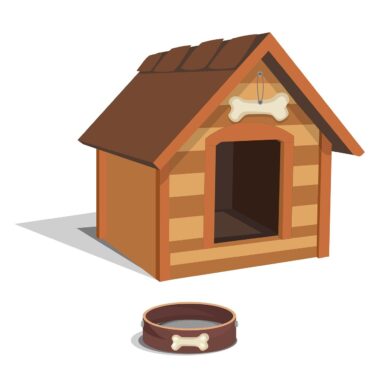
When considering roof types, two popular options are gabled and hipped roofs. Gabled roofs feature two sloping sides that meet at a peak, allowing for effective rain and snow runoff due to their slope. This roof design typically provides enhanced ventilation and air circulation, crucial for keeping the dog house cool in warmer months. Additionally, gabled roofs can accommodate insulation materials more effectively, enhancing energy efficiency. Hipped roofs have slopes on all four sides and are more stable during windy conditions. This design tends to provide a stylish appearance while ensuring a snug fit against severe weather. Additionally, both roof types can be integrated with various insulated building materials to create an optimal living environment. Some owners prefer to install skylights or ventilation panels in these roofs for passive cooling during hot weather. The embrace of modern technology, such as reflective roofing materials and insulation foams, allows dog houses to achieve optimum performance in insulation. Regular maintenance is essential to ensure that the roof retains its insulating properties, thus extending the life of your dog house overall.
Material Selection for Dog House Roofs
The choice of roof materials is critical to the insulation capability of a dog house. Common roofing materials include metal, asphalt shingles, and wooden panels. Metal roofs are known for their durability and ability to reflect heat, making them ideal for warmer climates, although they may require additional insulation beneath to prevent heat transfer. Asphalt shingles, on the other hand, provide a cost-effective solution with decent insulating properties while being relatively easy to replace or repair. Wood, being a natural insulator, offers excellent thermal resistance but demands regular upkeep to prevent decay or damage. As a dog owner, it’s imperative to evaluate your environment, ensuring the selected material withstands local weather conditions while also providing sufficient insulation. For instance, if you live in a colder climate, consider an insulated metal roof with thermal barriers. Research innovative roofing materials like synthetic shingles, which combine lightness with exceptional insulating properties. When selecting materials, seek advice from knowledgeable suppliers or reviews. Ultimately, the correct choice can lead to better energy efficiency and improved living conditions for your four-legged friends.
Insulation installation under the roof surface also merits discussion when it comes to dog houses. Proper insulation works in tandem with roofing materials to create an efficient barrier against temperature extremes. Many owners choose fiberglass or foam board materials designed to resist moisture, ensuring a dry, warm interior. These materials can be applied on the underside of the roof deck, providing a thermal break that protects your dog house. It’s essential to ensure there is no exposed insulation that could be harmful to your pet. Tax considerations, such as rebate programs for energy-efficient improvements, may also be available, so research your local options. Seasonal preparations like adding thermal curtains to the entrance can enhance comfort without compromising insulation. Furthermore, incorporating a well-insulated dog bed can also help your pet stay warm during colder nights. Consult with experts to assess the specific insulation needs for your particular dog house design. By implementing such strategies, you can guarantee that your dog’s shelter remains a cozy retreat all year round.
Evaluating Roof Pitch and Configuration
When designing a dog house, evaluating the roof pitch and configuration is essential to optimize insulation. A higher-pitched roof can effectively minimize heat buildup by allowing hot air to escape. Conversely, a lower pitch might retain warmth, making it suitable for colder climates, provided adequate ventilation is included. Consider the angle of the roof in relation to your geographical location; a steeper pitch is ideal for regions prone to heavy snowfall, as it prevents accumulation that could otherwise lead to structural damage. Factors such as the type of insulation chosen and the overall height of the dog house also play vital roles in maintaining a comfortable environment. Besides, specific configurations like a cathedral ceiling can create extra airspace, enabling improved temperature regulation. During colder months, owners can incorporate heating options to complement the insulation features effectively. Bear in mind that poorly angled roofs might cause trouble during extreme weather or heavy storms. Ultimately, achieving the right roof pitch and configuration enhances both comfort and durability for the dog house.
Ventilation features are another significant aspect to consider alongside roof types, particularly for maintaining proper air quality. Although insulation is crucial, stagnant air can lead to moisture buildup, promoting an unhealthy environment. Roof designs should incorporate ventilation methods, such as ridge vents or eaves vents, ensuring a steady airflow throughout the dog house. Proper ventilation not only helps to regulate temperature but reduces odors, resulting in a fresher environment for your dog. When adding vents, be mindful of their location to prevent any cold drafts from entering the living space. You may also consider installing adjustable vents that can be opened or closed based on the climate or your dog’s comfort needs. Integrating an exhaust fan can be effective during warmer months, providing additional air circulation in the dog house. Regular checks and maintenance of these ventilation systems will ensure they operate efficiently. A well-ventilated and insulated dog house can create a comfortable sanctuary, enhancing your pet’s quality of life and happiness.
Conclusion: Choosing the Right Roof Type
In conclusion, selecting the appropriate roof type and materials for your dog’s house can significantly impact insulation and overall comfort. Careful consideration of climate factors, materials, roof pitch, and ventilation is crucial in this decision-making process. Owners should prioritize their dog’s comfort by ensuring that the dog house remains warm during the cold months and cool during hotter weather. Investing time and resources into optimal design can yield numerous benefits, transforming an ordinary dog house into a comfortable refuge for your furry friend. Always remember to consult local building codes and weather conditions to tailor the design to specific needs effectively. Further, maintaining the dog house allows for outstanding insulation longevity and a safe living space for your dog. Many owners might overlook these critical aspects at first but ensuring proper insulation leads to better health and comfort for your dog. You’ll create an ideal climate-controlled environment through mindful choices now and in the future. Adhering to these insights when planning your dog house will guarantee both utility and aesthetic appeal.
Ultimately, investing in the right roof type is a significant step toward creating a healthy, comfortable environment for your dog. Thus, it enhances their quality of life while providing peace of mind for you as an owner. As each dog may have unique needs, tailor your design approach accordingly to select the optimal roof insulation solution. Through diligence and the right knowledge, you can craft a structure that not only meets your pet’s requirements but also withstands natural elements effectively. Consider discussing options with experienced dog house builders or contractors and exploring various roof options to find the perfect fit for your canine companion. Prioritize your dog’s needs through innovative designs inspired by the aforementioned advice, ensuring they thrive regardless of external conditions. A dog house serves as more than just a shelter; it is a sanctuary and a haven. Use this advice to embark on an informed journey toward enhancing your dog’s living conditions for years to come. With a sound roof plan, you’ll be well on your way to creating a dog house that is welcoming, warm, and perfectly designed for your furry friend.