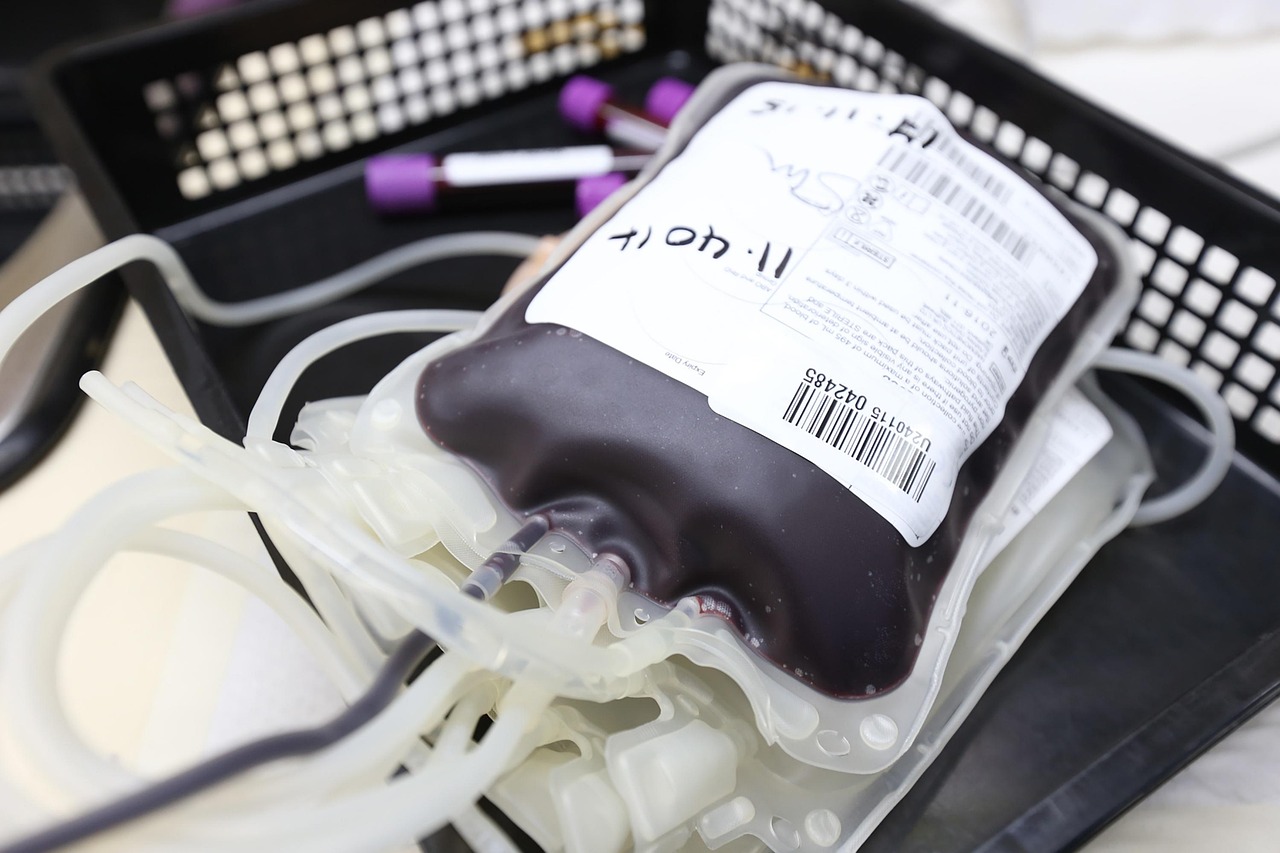

Blood Transfusions in Dogs: When and How They Help
Blood transfusions can be critical interventions that save the lives of dogs experiencing severe health issues, particularly blood disorders. Many dog owners may not often consider blood transfusions. However, understanding the need for this procedure is vital. Dogs may require blood transfusions following traumas, surgeries, or due to specific diseases affecting the blood. Dogs suffering from conditions such as hemophilia, anemia, and other blood-related disorders often show symptoms that indicate they need medical attention. Recognizing these symptoms, including lethargy, weakness, and pale gums, can lead to prompt veterinary care and potentially life-saving transfusions. Appropriate blood type matching is crucial before any transfusion occurs. The veterinarian will perform blood tests to ensure compatibility, minimizing risks of adverse reactions. Moreover, transfusions do not only involve whole blood; veterinarians might use specific blood components, like platelets or plasma, depending on the dog’s needs. Each type of transfusion serves distinct purposes, tailored to treat the underlying condition effectively. However, it is essential to maintain open communication with your vet to determine the best course of action for your beloved pet.
Understanding the common blood disorders in dogs can enrich a pet owner’s knowledge significantly. Conditions such as thrombocytopenia, anemia, and clotting disorders will prompt concerns regarding their pet’s overall health. Anemia results from a decrease in red blood cells, leading to insufficient oxygen transport in the body. Common causes include parasites, toxins, or chronic diseases. Thrombocytopenia, characterized by low platelet counts, affects blood clotting abilities. When a dog experiences any bleeding, even a small cut can become a serious issue. Coagulation disorders arise when the factors necessary for blood clotting are not present, making injuries very risky. Early detection of symptoms includes excessive bleeding, bruising, fatigue, and poor appetite. Regular veterinary check-ups allow for early diagnosis and treatment of these disorders. Such examinations are essential, particularly for breeds prone to genetic conditions. Discussing any observed symptoms with your veterinarian will ensure timely interventions. Treatment options may include medications, dietary adjustments, or even transfusion. Overall, staying informed about the various blood disorders can empower owners to take proactive steps toward their dog’s health and well-being.
Signs Indicating Blood Transfusions Are Needed
Many dog owners might overlook subtle indications that their dogs may require blood transfusions. Early recognition of these signs can lead to timely veterinary assistance and significantly improve a dog’s chances of recovery. Key symptoms include pale or white gums, which can indicate a severe drop in red blood cells. Additionally, if a dog appears lethargic, weak, or exhibits impaired exercise tolerance, getting a professional evaluation is crucial. One might also notice a rapidly beating heart, labored breathing, or signs of excessive bleeding from cuts or injuries. If these symptoms accompany a known injury or surgery, an urgent veterinary assessment becomes even more necessary. Dogs may exhibit these signs independently or in combination, underscoring the importance of regular veterinary check-ups as well. A veterinarian can perform diagnostic tests to evaluate blood health accurately. Furthermore, maintaining detailed records of dogs’ health history assists veterinarians in providing optimal care tailored to each animal. By being proactive and vigilant, pet owners can contribute to their furry companions’ better health outcomes.
Blood transfusions can be lifesaving, but understanding the procedure is essential. The veterinary team will follow specific protocols to ensure the procedure is as safe as possible for the dog. During the process, the animal is monitored closely for any adverse reactions, with vital signs documented throughout. The blood used comes from donor dogs, typically known as blood donors, who have undergone rigorous health screenings. Ensuring blood compatibility is paramount; incorrect transfusions can lead to severe reactions possibly endangering the dog’s life. The veterinarian will perform a cross-match test to confirm that the donor’s blood is compatible with the recipient’s blood type. Additionally, the veterinarians may utilize blood component therapy, allowing targeted treatment focusing on specific deficiencies. Some dogs require merely plasma transfusions or packed red blood cells rather than whole blood. The recovery process following a transfusion is crucial as it allows the veterinarian to observe the dog for any delayed reactions, ensuring their comfort. Supportive care post-transfusion enhances healing and stability significantly, helping dogs return to their routine as soon as possible. Knowledge of these facets ensures owners are well-prepared for discussions with their veterinarians.
Types of Blood Transfusions in Dogs
There are various types of blood transfusions available for dogs, each tailored to the specific medical needs of the individual animal. The most common type is a whole blood transfusion, which provides all necessary blood components. This transfusion is ideal for treating significant blood loss due to trauma or extensive surgeries. Veterinarians may opt for packed red blood cell (PRBC) transfusions as a focused therapeutic approach, particularly beneficial in cases of anemia. PRBC transfusions concentrate on restoring red cell mass, improving oxygen delivery, and energy levels. On the other hand, plasma transfusions are helpful for treating clotting disorders. Plasma contains essential proteins crucial for blood clotting and immune function. By administering plasma, veterinarians can restore factors that promote healing and manage bleeding issues effectively. Platelet transfusions might also be considered in rare instances where a dog has severe thrombocytopenia. Understanding these blood transfusion types empowers dog owners to engage in informed discussions with their veterinarians, ensuring that the chosen method aligns perfectly with their dog’s health requirements and overall condition.
The process of preparing for a blood transfusion involves multiple steps aimed at ensuring the safety and effectiveness of the procedure. Initially, the veterinary staff will conduct thorough examinations and diagnostic tests to evaluate the dog’s blood health. This includes essential blood work to assess the levels of red blood cells, platelets, and plasma proteins. Next, the veterinarian will identify the dog’s blood type, ensuring compatibility with available donor blood. This step is crucial for preventing transfusion reactions. Once a suitable donor has been located, the blood will be collected and processed according to protocols to maintain its integrity. During the transfusion, the dog will be placed in a comfortable position, with medical staff observing their vital signs closely for any adverse reactions. Further, ongoing assessment throughout the procedure helps identify potential complications early on. Post-transfusion observations include monitoring for signs of any allergic reactions and ensuring the dog remains stable. Following these stringent processes significantly enhances the transfusion’s success rate, emphasizing the importance of professional veterinary care.
Post-Transfusion Care and Monitoring
After a blood transfusion, comprehensive post-care monitoring is essential to ensure the dog’s body effectively integrates the new blood. Although protocols will vary depending on individual circumstances, general practices remain consistent across different cases. Most vets will continue to observe the dog’s vital signs after the transfusion. Additionally, they will check for any signs of complications such as fever, vomiting, or changes in breathing. Proper recovery also involves providing a calm, stress-free environment for the dog. Owners may receive instruction on how to monitor their pet at home. This may include looking for signs like lethargy, excessive bleeding, or unusual behavior over the following days. Dietary considerations can also play a role; a nutrient-rich diet will aid in recovery. Furthermore, regular follow-up appointments may be necessary to assess the dog’s recovery and overall health. Maintaining open communication with the veterinarian ensures adjustments to post-transfusion care if needed. Such diligence significantly enhances the chances of the dog returning to optimal health while minimizing stress on the pet and owner during the recovery journey.
In conclusion, understanding the importance of blood transfusions in dogs is crucial for every pet owner. Blood disorders can affect dogs in various ways, necessitating timely and appropriate interventions. Recognizing symptoms signaling the need for a transfusion will help ensure quick veterinary response, significantly improving health outcomes. Familiarity with different types of blood transfusions allows owners to feel more at ease when discussing options with their veterinarians. Furthermore, knowledge about the entire process, including pre- and post-transfusion care, equips dog owners for an active role in their pet’s recovery. Active engagement in their dog’s health journey not only strengthens the pet-owner bond but enhances the overall well-being of dogs facing challenging health issues. Owners should maintain open lines of communication with their veterinarians to keep informed about advancements in blood disorders and treatments. This will enable proactive care, ensuring that the dog lives a healthier life with the best possible care and outcomes. By staying informed, prepared, and dedicated to their pet’s health, owners can confidently navigate the world of dog blood disorders and transfusions, ensuring their furry friends receive the best support available.