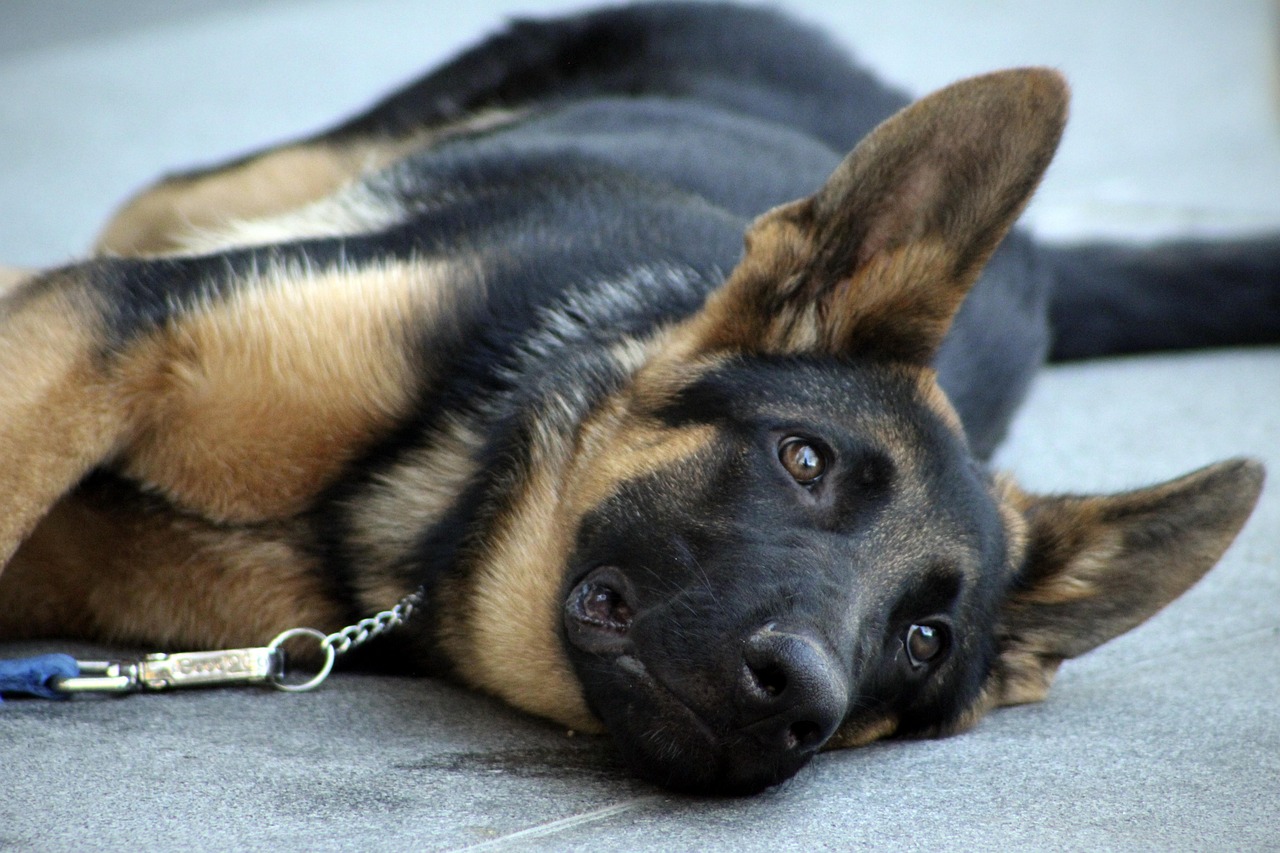

Tips for Maintaining Your Dog’s Obedience Over Time
Maintaining your dog’s obedience requires consistent effort and understanding. Begin by establishing a solid foundation through regular training sessions. Aim for at least two to three short training sessions per week. Over time, ensure that the commands are still being practiced regularly to reinforce learning. Make adjustments to vary the training environments and challenges, helping your dog adapt to different contexts. Using positive reinforcement is essential in promoting desirable behaviors. Reward your dog with treats, praise, or playtime when it exhibits the behavior that you want. This positive identification helps your dog associate good behavior with rewards, promoting consistent obedience. Additionally, consider socialization opportunities with other dogs to further enhance your dog’s obedience skills in various situations. Community dog classes or local meet-ups can provide valuable experiences. It is also crucial to monitor your dog’s behavior and make appropriate adjustments. Keeping an eye out for any negative habits forming can help you tackle them before they escalate. With ongoing commitment, love, and patience, you can ensure your dog maintains obedience and good behavior over time. Regular exercise also plays a role in keeping your dog happy, which improves obedience.
Using Positive Reinforcement Effectively
In dog training, positive reinforcement proves to be a powerful tool. This method principally revolves around rewarding your dog for exhibiting desired behaviors. This system builds up a positive association with the commands and behaviors you want your dog to replicate. Treats, affection, and verbal praise all function as effective rewards. Begin with simple commands and positively reinforce each successful attempt consistently. Gradually introduce more complex tasks, ensuring you continue rewarding even small successes. Timing is everything; offer the reward immediately to connect the behavior with the reinforcement. Over days and weeks, vary the rewards to keep the training exciting for your dog. Experiment with different types of rewards, from treats to exciting toys or playtime. Always remain patient and understanding; some dogs take longer to grasp certain commands than others. In between training sessions, practice obedience in everyday situations, such as during walks. Incorporating commands into natural activities ensures that your dog understands the importance of obedience anywhere. Finally, resist using negative reinforcement. Instead, redirect unwanted behavior towards more acceptable actions, praising your dog when it complies. Consistency and positivity will bolster your dog’s engagement in training.
Establishing routines is essential for maintaining your dog’s obedience. Dogs thrive on predictability and understanding what to expect helps them feel secure. Develop a consistent daily schedule that includes feeding, training, exercise, and playtime. Predictability aids your dog in anticipating activities, leading them to respond with better behavior. Incorporate training into daily routines, allowing training moments to naturally arise during typical activities. For example, ask for basic commands before meals or while going outside. This exercise helps reinforce obedience within a familiar context. Also, be clear and consistent when giving commands. Always use the same words and tone. This clarity enhances your dog’s learning and retention of commands. Equally important is to involve all family members in the training process. Uniformity in the handling of commands and expectations will prevent confusion for your dog. If different family members employ varying commands or training methods, your dog may struggle to understand what is required of them. Maintenance applies to both the dog’s training and your consistency as a handler. Remember that patience and regular practice lead to long-lasting outcomes in maintaining your dog’s obedience.
Monitoring Progress and Addressing Issues
Keep track of your dog’s progress by noting improvements or setbacks consistently. Observing behavior helps identify patterns and areas that require attention. Record small wins and challenges faced during training sessions to recognize progress over time. Documenting training can motivate you and help analyze what methods work effectively. Addressing any problems immediately is crucial, as bad behaviors can escalate if ignored. If your dog begins to show disobedience, re-evaluate your training approach. Are the commands clear? Is the reward system still engaging? Consider contacting a professional trainer if you encounter persistent challenges. Sometimes an outside perspective can identify issues you may overlook. Engage in discussions with other dog owners to share experiences and solutions. Community input can provide valuable insights to utilize in training. Training is a lifelong journey. Understand that maintaining your dog’s obedience requires adaptability and flexibility. As your dog’s environment changes, so may its responses to commands. This adaptability might also mean altering training techniques or introducing new stimuli. Emotional well-being is key; ensure your dog enjoys training by incorporating fun elements, basing entire sessions around enjoyable interactions.
Regular exercise is vital in maintaining your dog’s obedience. Mental stimulation plays a key role here as well. Coupling physical activity with mental challenges such as puzzle toys or obstacle courses keeps your dog engaged. Employing a combination of learning and play boosts your dog’s ability to focus during training. Additionally, a well-exercised dog tends to display better manners and discipline. Excess energy often translates to unruly behavior, while a balanced amount of daily exercise aids in calmness and attentiveness. Participate in various activities such as jogging, hiking, or fetching to utilize the outdoor environment for exercise. Even incorporating photo opportunities during walks can keep your dog excited and engaged. Further, include interactive playdate sessions with other dogs to promote socialization and healthy interactions. Interaction with other dogs can improve confidence and behavioral adaptability. The ultimate goal of regular exercise is to keep your dog both physically and mentally satisfied. When dogs feel fulfilled, they exhibit reduced anxiety and improved obedience. Remember, though exercise is necessary, it should always be enjoyable. Find ways to keep your dog motivated and eager to participate in activities, blending work and fun.
Celebrating Achievements
Always take time to celebrate your dog’s training achievements, however small they may appear. Recognition and positive reinforcement encourage your dog’s continuous learning. Celebrating their accomplishments fosters increased confidence and excitement during training sessions. Ideas may include treats, a fun play session, or engaging in their favorite activities. Acknowledgment doesn’t always need to be lavish; simple praise, such as excitement in your voice or a happy dance, can be impactful. Daily interactions with your dog present wonderful opportunities to highlight their successes, reinforcing desired behavior. For long-term training, consider establishing milestones to track your dog’s growth. Each milestone reached is a moment to reward and commend your dog. Host small celebrations—essentially positive reinforcement events—when major goals are completed. For example, if your dog successfully learns a challenging command, spend the day doing their favorite activities. Create special moments that both you and your dog can cherish. Celebrating achievements goes beyond the training aspect; it strengthens your bond with your dog. Your dog will recognize the joy of learning through this bond, creating an environment that fosters lifelong obedience and trust.
In conclusion, maintaining your dog’s obedience over time is a multi-faceted process that demands commitment. Consistent training methods, paired with positive reinforcement and monitoring practices, foster strong results. Establishing routines while incorporating flexibility helps dogs adjust to various circumstances, ultimately enhancing their obedience capabilities. Pairing regular exercise sessions with mental stimulation leads to well-behaved and focused dogs. Habits developed early on will assist you in nurturing a disciplined but enjoyable training atmosphere. Remember to celebrate every achievement, for they are steps toward a more obedient companion. Whether you are addressing challenges, providing rewards, or simply enjoying your time together, it’s essential to reinforce the bond you share. Using communication rooted in patience and understanding becomes more important as you both grow in the training journey. Engaging in fun and varied activities keeps you and your dog motivated. Explore fun opportunities for social interaction while staying disciplined about training. Ultimately, the aim is to create a well-rounded canine companion who remains obedient across all environments and situations. Invest the time into consistent training, enjoy the journey, and cherish the long-lasting bond formed through obedience training.