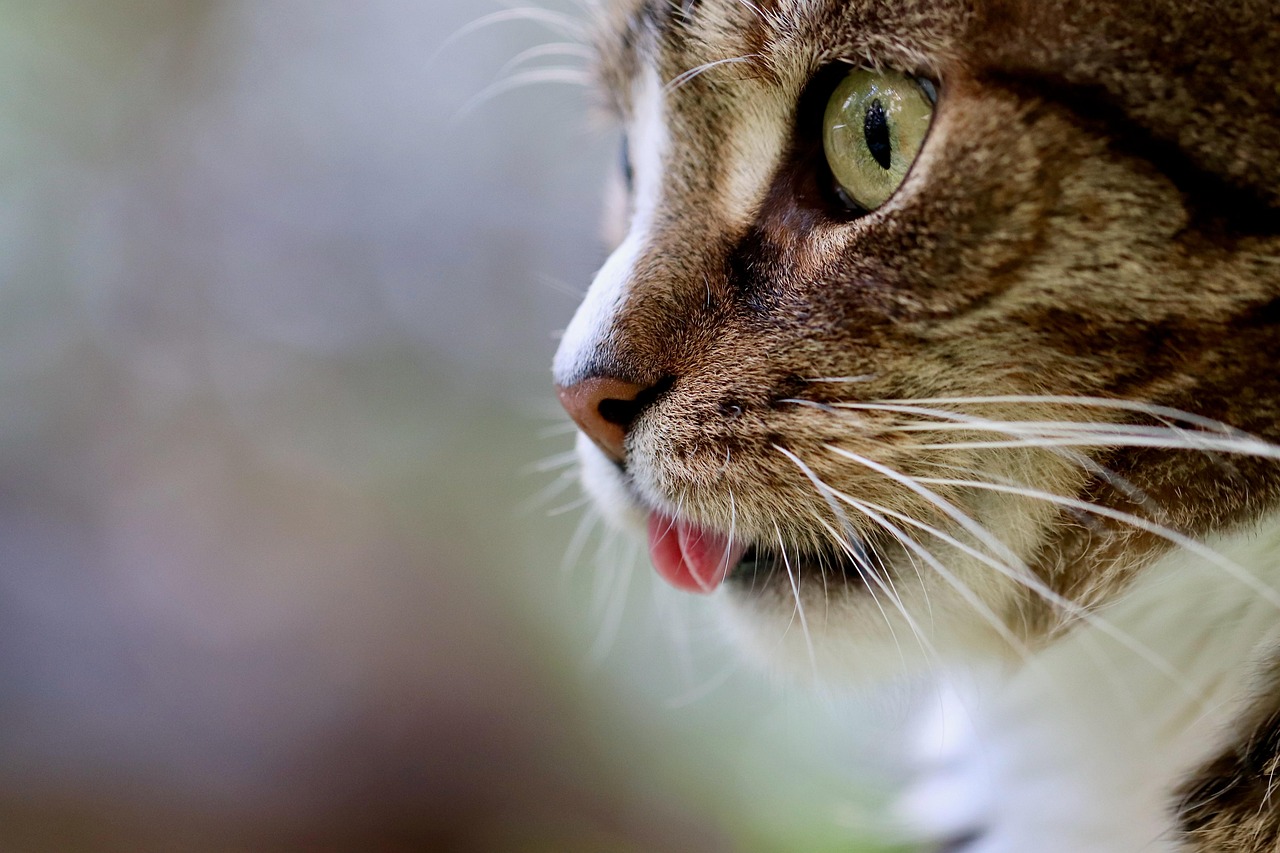

Vitamin Overload in Cats: What You Need to Know
Many cat owners often fall victim to vitamin myths, believing that giving their feline friends extra vitamins ensures good health. The truth is, vitamins are essential for pet wellness, but more does not always mean better. Over-supplementing can lead to toxicity, causing various health issues. Cats naturally obtain the required nutrients through their food, assuming it is high-quality and nutritionally complete. Owners should be aware of the signs of vitamin overload, which can include lethargy, vomiting, and gastrointestinal disturbances. It is critical to consult a veterinarian before introducing any supplements to a cat’s diet to avoid unwanted complications. An animal health professional can assist in determining if your pet requires additional vitamins or if its diet sufficiently meets its nutritional needs. Taking this precaution ensures your cat stays healthy and happy by avoiding unnecessary health risks caused by excess vitamins. Educating oneself about proper feline nutrition is essential for responsible ownership. Understanding the delicate balance of nutrients can make a significant difference in your cat’s health and well-being in the long run.
Common Vitamin Myths
Among the prevalent misconceptions regarding cat vitamins, the idea that all vitamins are beneficial without limits ranks high. Cats do require essential vitamins, including A, D, and E, yet excessive amounts can induce toxicity. For example, while vitamin A is crucial, too much of it can cause serious health issues, such as liver damage. Another myth suggests that homemade diets automatically provide optimal nutrition. However, this could be misleading as home-prepared meals might lack balanced vitamin profiles. Many people think that providing human vitamins to cats is harmless, but certain human vitamins can be hazardous to feline health. The right approach involves selecting cat food specifically formulated to meet their dietary requirements. This way, owners can confidently ensure that their pets receive the required vitamins without risk of overdose. Additionally, it’s important to note that certain vitamins like vitamin C may not be necessary for cats as they synthesize it naturally. Therefore, staying informed is vital to prevent misinformation and keep our furry companions in prime condition.
Ensuring your cat receives proper nutrition means understanding the roles of various vitamins. Vitamin deficiencies can lead to a wide range of health problems, such as poor immune function and skin disorders. Many owners may be unsure about the vitamin needs of their cats. A balanced diet tailored to their needs is essential to supporting their health. Formulated cat foods contain the appropriate vitamins and minerals for cats at different life stages. However, if you suspect a deficiency, seek veterinary guidance for appropriate testing and diagnosis. This can help identify any nutritional gaps effectively. The age and health status of the cat will significantly influence its dietary requirements, including its vitamin intake. Nutritional needs can vary from kitten to adult and senior cats. Therefore, understanding these differences is crucial to meeting their specific needs. Regular check-ups can help catch potential deficiencies early, ensuring your cat maintains optimal health. By remaining informed and consulting with experts, cat owners can provide informed care and avoid the pitfalls of vitamin myths effectively.
Consultation with Experts
Owners should always seek expert opinions when it comes to pet nutrition. This ensures that pets receive the proper guidance regarding their dietary needs, including necessary vitamins. Most veterinarians have a wealth of knowledge and can recommend the appropriate food formulas and supplements if needed. Understanding the role of vitamins in your cat’s diet is essential for maintaining their health. Vitamins play various critical roles in metabolism, tissue repair, and antioxidant functions. Cats have specific dietary requirements, and a consultation will help narrow down their individual needs. Regular updates from professionals can also help keep pet owners informed about new research and advancements in feline nutrition. By relying on expert advice, owners can confidently choose the right products for their cats. This minimizes the risk of vitamin overload and ensures their feline companions thrive. Providing a balanced diet with necessary vitamins helps build a strong immune system while avoiding the pitfalls of excessive supplementation. Always prioritize your cat’s health by consulting vets and being aware of any potential nutritional deficiencies.
Vitamins must be chosen carefully based on a cat’s specific needs, which may change over time. Factors such as age, weight, and overall health can influence what your cat requires nutritionally. It is essential to select the right vitamin type and amount according to these specific factors. Commercial cat food often contains balanced vitamins and minerals specific to various life stages. However, if you choose to prepare homemade meals or explore alternative diets, it’s particularly crucial to ensure they are vitamin-rich and balanced. Additionally, the environment and lifestyle of the cat might have an impact on its nutritional needs. Active outdoor cats generally require nutrition that supports energy expenditure, whereas indoor cats may need fewer calories. Monitoring weight and activity levels can help determine if dietary adjustments are necessary. Owners should be attentive to their pets’ physical changes and consult professionals if dietary fluctuations are noticed. Each cat is unique, and understanding these unique requirements enables better pet care. By tailoring diet plans accordingly, owners can provide their cats with optimal health and a better quality of life.
Spotting the Signs of Overdoses
Recognizing the symptoms of vitamin overdose in cats is key for any responsible pet owner. Common signs indicating potential toxicity may include excessive vomiting, diarrhea, and changes in appetite or behavior. Lethargy is another serious indicator; if your cat seems unusually tired or less playful, they may be experiencing vitamin overload. Furthermore, excessive thirst and urination may indicate issues related to vitamin levels. In more severe cases, symptoms may escalate to muscle tremors or seizures. Early intervention is crucial as it can prevent further complications and ensure a swift recovery. If you suspect your cat is displaying these signs, consult a veterinarian immediately. Providing relevant information, including any supplements given, will aid in accurate diagnosis and treatment. Always keep supplements or human vitamins out of reach to prevent accidental ingestion. The better informed you are about the symptoms and causes of vitamin overdose, the better prepared you will be to act accordingly. Monitoring your pet regularly ensures that any adverse effects from vitamin overload can be addressed promptly.
Understanding the proper use of cat vitamins can pave the way for healthier cat ownership. Educating oneself about nutrition helps distinguish fact from fiction, thus avoiding dangerous myths. Cats primarily rely on their diet, so ensuring a balanced, high-quality feed is essential. Regular check-ups with a veterinarian help identify deficiencies or overload risks promptly. It is essential to foster an ongoing relationship with your vet to ensure your cat receives optimal care throughout their life. Be proactive in understanding which vitamins support your cat’s health most effectively. Each cat is unique, and their individual needs should dictate supplementation necessity if any arises. Balancing elements such as vitamins, proteins, and carbohydrates establishes a solid foundation for overall health. By acknowledging these dietary requirements and utilizing expert advice, pet owners will be able to navigate vitamin choices wisely. Discouraging the use of excessive supplementation ensures the well-being of the pet in the long term. Above all, a well-informed owner is crucial in supporting their cat’s health journey.
Conclusion
In conclusion, understanding vitamin myths is vital for keeping our feline companions healthy and happy. Unnecessarily over-supplementing cats may lead to significant health problems, affecting their quality of life. Always consult with a veterinarian before introducing any new vitamins or supplements. Ultimately, cat vitamins should be viewed with caution and respect to avoid harmful consequences. Education, expertise, and attentiveness to individual dietary needs will significantly benefit feline health. A balanced diet, tailored to each cat’s unique requirements, is the best approach to ensuring lasting wellness. Implementing proper nutrition strategies promotes a happy, healthy pet. Always remember, the foundation of good health lies in a well-formed diet that supports your cat’s well-being without the risk of overdose. As we strive to provide the best care for our furry friends, being informed is our best tool. Therefore, invest time in understanding feline nutrition and keeping the myths at bay. At the end of the day, every effort to provide healthy nutrition will result in a happier and healthier cat, enriching both their lives and yours.