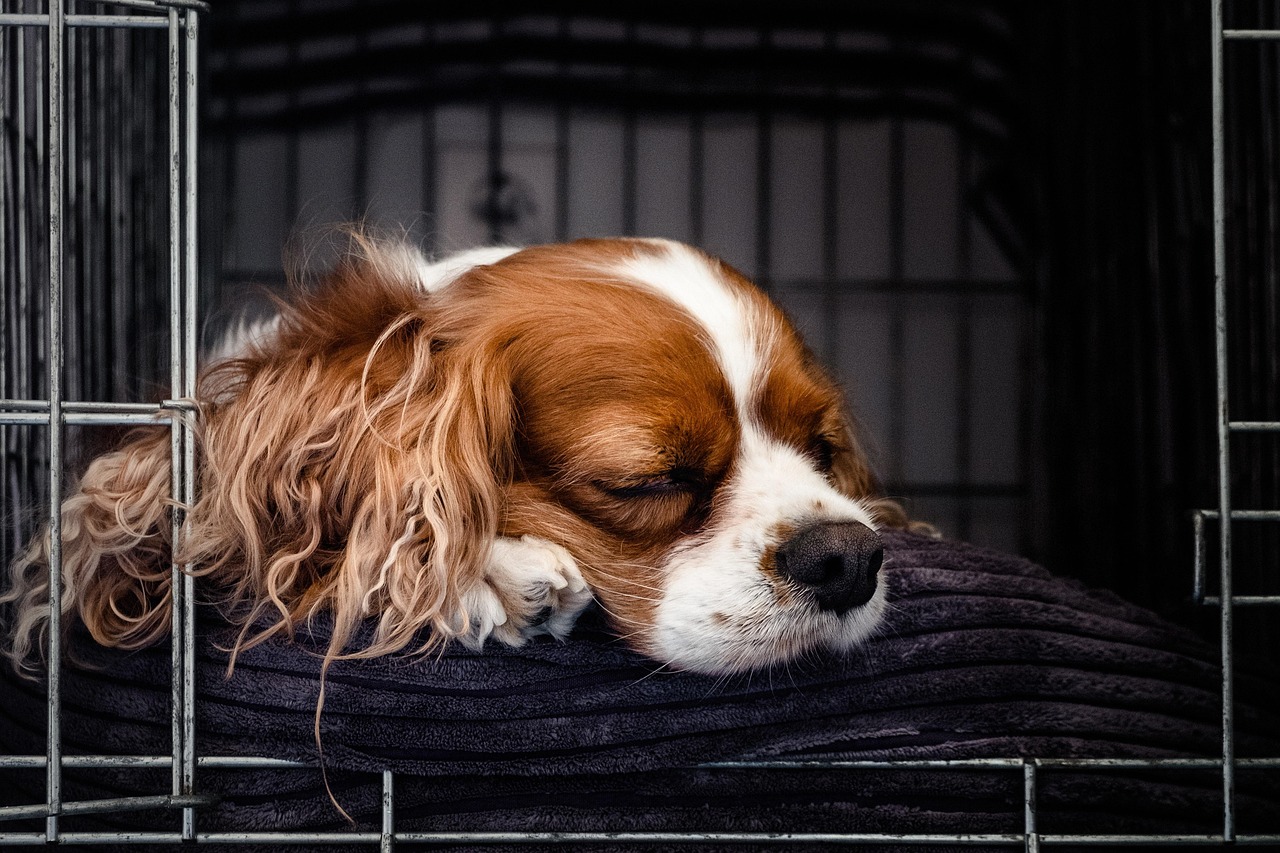

Crate Training: Creating a Safe Space for Your Dog
Crate training is an essential part of developing a healthy relationship with your dog. It helps them to feel secure and safe within their environment. The crate serves as a den—a personal space where your dog can retreat when they feel overwhelmed or need rest. This is particularly beneficial for puppies who are still adjusting to their new homes. In the process, you promote good behavior while reinforcing potty training. Additionally, it provides an area for your dog during travel, keeping them safe and contained. It’s vital to introduce the crate positively; this allows your dog to associate the crate with a good experience, rather than as a punishment. Using treats in the beginning can encourage them to enter voluntarily. Gradually increase the time your dog spends inside, which helps to promote a calming effect. Ensuring your dog has proper training from the start is critical. A crate becomes a haven for them, ultimately enhancing their confidence and calmness. By creating this safe space, you can foster a well-behaved companion who understands where they can find repose. This process teaches trust and respect between you and your canine partner.
The Benefits of Crate Training
One of the main benefits of crate training lies in its ability to provide a secure environment for your dog. When executed correctly, this training technique not only aids in potty training but also mitigates separation anxiety. Dogs are den animals by nature, making a crate the perfect setup for them to relax. Moreover, crate training allows you to safely confine your dog when you are busy or unable to supervise them. This reduces the risk of accidents in your home and prevents destructive behavior during your absence. Moreover, the crate can serve as an essential tool when socializing your dog. Introducing new experiences—such as car rides or interactions with other pets—can be managed effectively with a crate. Additionally, it helps in managing behavioral problems, especially during the puppy stage when they’re more likely to chew or explore. Over time, crate training fosters independence, as dogs learn to feel at ease when alone. Imagine a day where your dog comfortably settles in their crate, knowing it’s a safe space. This training technique is invaluable for facilitating the bonding process through patience and practice, ultimately benefitting both you and your dog.
Understanding the proper techniques for crate training can make all the difference. Start with the right size crate; it should be spacious enough for your dog to stand, turn around, and lie down comfortably. While some may choose to use wire crates, there are also soft-sided options, each with their unique advantages. Using bedding and a few toys can enhance the crate’s coziness and encourage your dog to see it as a sanctuary. Always supervise your dog during the initial days of crate training to build trust. Never use the crate as a method of punishment—this tends to create anxiety rather than comfort. Gradually increase the time they spend inside the crate as they become accustomed to it, ensuring they do not view it negatively. You can also try feeding meals inside the crate, associating it with positive actions. Consistency is crucial, so establish a routine that includes regular crate time. This will not only reinforce training but also help your dog adjust mentally. Overall, a thoughtful approach regarding your dog and crate training will yield long-term benefits for both of you, making everyone’s experience more satisfying.
Common Challenges in Crate Training
Crate training is not without its challenges, especially in the early stages. One common issue is vocalization; some dogs tend to bark or whine when confined. Understanding the reason behind this behavior is essential; it may stem from anxiety or simply wanting attention. Patience is crucial in addressing this. If your dog feels anxious, try using calming aids, such as gentle music or comfort items, to ease their nerves. Another challenge could be resistance to entering the crate altogether. This may require more positive reinforcement. Employing treats, familiar items, or even their favorite blanket can assist in coaxing them in. Consistency remains vital throughout the process; don’t give in to their demands to leave the crate when they bark. Instead, wait for moments of silence before letting them out, reinforcing good behavior. Furthermore, keep an eye on their interaction with the crate during playtime. Ensure that it remains a positive area within your home, associated with peace rather than confinement. Addressing these challenges head-on can lead to significant progress in your crate training journey, ensuring success in the long run.
Another essential part of successful crate training involves establishing a regular routine. Consistency in the timing of meals, play, and crate usage creates whether you are busy during the day or have a flexible schedule. This pattern helps your dog anticipate their needs, making it easier for them to adjust to crate time. Incorporating some fun activities right before crating can also contribute positively. For instance, engaging in a quick play session or going for a short walk can help your dog expend energy before being confined. Afterward, they are likely to settle down more comfortably. Additionally, monitoring your dog’s health and well-being remains paramount. If they seem to have excessive accidents or seem distressed by the crate, it’s essential to evaluate their needs. Consult your veterinarian if necessary to ensure no underlying issues are at play. Keeping an open dialogue with a dog trainer or an experienced owner may also provide new ideas and techniques. The overall goal is to build a strong, enjoyable relationship with your dog while ensuring they feel safe and content in their crate. This mental conditioning pays off in lasting behavior patterns.
Making the Crate Inviting
To ensure your dog embraces their crate as a safe haven, it is crucial to make the environment inviting and pleasant. Start by adding soft bedding, ensuring it feels cozy and secure; a comfortable blanket or cushion can go a long way. Additionally, always include their favorite toys to encourage a positive association. Dogs are creatures of habit, so practice feeding them meals inside the crate. This will familiarize them with the space, associating it with nourishment and comfort. Also, consider placing the crate in a common area of the home; positioning it where they can see family members can ease anxiety. An established location helps them feel included while learning to enjoy their crate. Avoid forcing them inside or using it solely during negative moments to prevent any association with punishment. Instead, use toys and treats to create a nurturing atmosphere that promotes relaxation. Regularly clean the crate to remove any odors, as a fresh environment will encourage them to return. In time, their crate can genuinely become a sanctuary—a cherished space where they can unwind and recharge whenever needed, enhancing your bond.
Lastly, it’s vital to know when to phase out crate use altogether. Your ultimate aim should be to foster trust in their safe environment without solely relying on a crate. As your dog matures and displays confidence, you may start to leave the crate door open for them to choose whether to enter—or not. While it is essential to maintain their crate training throughout their lives, enabling them the freedom to explore their surroundings can enhance overall well-being. However, this transition should happen gradually. Initially, continue to provide regular access, then observe their behavior to identify when they’re comfortable. If they display confidence and calmness, it’s time to take the next step. Encourage them to enjoy free time in a safe, enclosed space in your home. That could be a pet-proofed room or area where they can roam freely without fear of negative experiences. Always maintain a routine that reinforces their training. In this manner, you will promote lifelong learning and adaptability for your dog, ensuring they feel safe and loved, strengthening your relationship for years to come. Happy training!
Conclusion of Successful Crate Training
In conclusion, crate training is a valuable tool in raising a well-behaved dog. Effectively teaching your dog that their crate is a safe space allows for a smooth blend of behavioral training. Ultimately, this fosters a healthy relationship between dog and owner. Patience and consistency will yield long-term benefits. Through regular reinforcement and guided experiences, you will create a solid foundation based on trust. Encourage positive associations with the crate by making it cozy and confronting any challenges head-on. Making the crate a joyful place enhances the training experience, ensuring your dog embraces their environment. Establishing good habits early on will prepare your dog for various situations throughout their life. With the right approach, crate training transforms into a rewarding experience. As they mature, adjust their crate access to fit their growing confidence and capabilities. Celebrate each milestone in their learning journey, as these achievements will strengthen your bond. A solid crate training plan will ultimately make your life easier while providing companionship. By approaching this with care, you cultivate not just a disciplined pet but a beloved family member who feels safe and secure in their home.