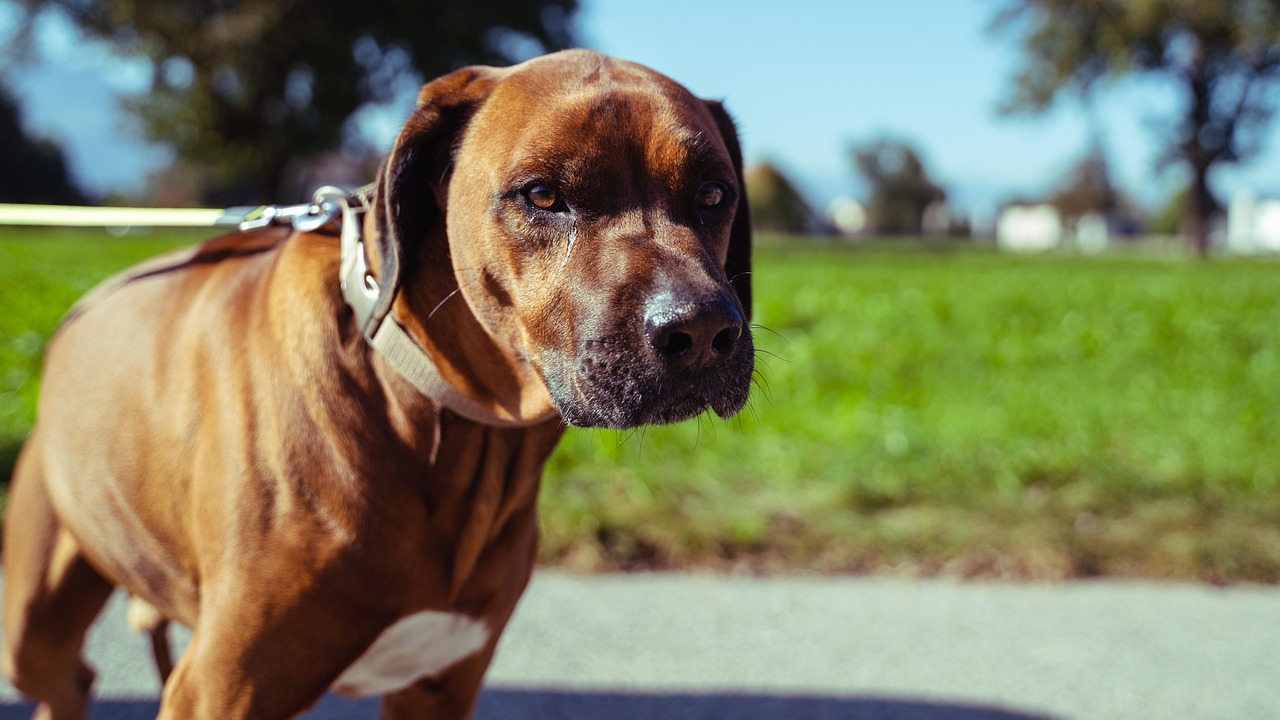

Dangerous Dog Designations Explained
Understanding dangerous dog designations is crucial for public safety and responsible pet ownership. These classifications vary by state and locality, but they generally include breeds or individual dogs deemed aggressive based on specific incidents or behaviors. Potentially dangerous dog designations can arise from various factors, such as a history of biting, aggression towards people or other animals, or failing to adhere to leash laws. Communities create these designations intending to reduce the risk of dog attacks and to promote responsible dog ownership. While breed-specific laws exist, it is essential to recognize that behavior alleviates much more on owner care rather than simply the breed itself. Education around dog training, socialization, and proper management can help mitigate risks associated with aggressive behaviors. Local governments often implement regulations that require owners of designated breeds to adhere to stricter control measures, such as muzzling, special insurance requirements, and specific housing conditions, such as enclosures or fencing. These policies aim to protect the public and encourage dog owners to maintain responsible practices to create safer environments for everyone involved. It is a collective effort that requires community engagement and educational initiatives to foster understanding and compliance.
Impacts on Community Safety
The classification of breeds as dangerous has raised concerns regarding community safety and public perception. Some argue that breed designations breed unnecessary fear and discrimination against specific breeds, often rooted in biases rather than facts. This can lead to a culture of misunderstanding, with many assuming certain breeds are inherently dangerous. Research indicates that behavior is not solely determined by breed, and factors such as training, socialization, and environment significantly impact a dog’s behavior. Moreover, breed-specific legislation might not effectively lower dog bite incidents; instead, focusing on education about responsible pet ownership may prove more successful. Responsible owners of all breeds should be encouraged to engage in training, socialization, and public education to prevent aggressive behaviors rather than targeting specific breeds unjustly. By promoting positive interactions between dog owners and non-owners, communities can foster an environment of understanding and cooperation, aiding in reducing anxiety associated with dangerous dog perceptions. Initiatives such as community training programs, workshops, and seminars can bridge the gap between owners and non-owners, creating well-informed citizens who respect all breeds while prioritizing safety.
Balancing Public Safety and Dog Rights
A critical challenge in dangerous dog designations is balancing community safety with the rights of dog owners. Advocates for dog rights emphasize that dogs should not be judged solely based on breed but on individual behavior and owner responsibility. Assessing dogs on their behavior rather than breed can lead to more informed and effective policies. This shift in perspective encourages responsible ownership and highlights individual dog characteristics and behaviors, thereby improving community relations. It is essential to develop regulations that are fair to responsible dog owners while providing necessary measures to mitigate risks associated with dangerous animals. Implementing standardized assessments to evaluate a dog’s temperament could serve as an alternative to breed-specific designations, allowing for a nuanced approach to managing potentially aggressive dogs. Through this framework, communities can encourage responsible practices that promote positive behaviors while addressing public safety concerns effectively. Legislative efforts focused on responsible ownership rather than breed restrictions foster cooperation between authorities and pet owners while ensuring that all parties feel value in creating secure neighborhoods. Effectively addressing dangerous dogs through education cultivates more engaged pet owners, thereby reducing reliance on overreaching policies.
Local governments have a significant role in managing dangerous dog designations, and community conversation is paramount. Engaging stakeholders, including dog owners, veterinarians, and animal welfare groups, can create a balanced dialogue that addresses the complexity of these issues. Community meetings serve as platforms for discussing concerns, sharing experiences, and generating collaborative solutions. These forums help demystify the often emotionally charged topic of dangerous dogs while offering insights into the importance of responsible ownership and training. By prioritizing open communication and teamwork, communities can implement policies that promote public safety without stigmatizing specific dog breeds. Additionally, local governments can invest in community education initiatives that provide resources to dog owners and non-dog owners, helping to mitigate fears surrounding dangerous dog designations. Understanding breed behavior, responsible ownership, and effective training methods can lead to fewer instances of aggression and promote healthier relationships within communities. These proactive measures create a more informed public that understands the implications of dangerous dog designations and empowers owners to take responsibility for their pets effectively.
Community Training and Education
Training and education serve as key components in addressing dangerous dog designations. By equipping owners with knowledge and skills, communities can manage risks more effectively. Training programs tailored to specific communities assist dog owners in focusing on socialization and obedience, reducing incidents of aggression. Proper education fosters understanding between dog owners and non-dog owners, breaking down barriers erected by fear and misconceptions. Encouraging participation in obedience and behavior training classes can help build skills that not only benefit the dogs but also contribute positively to the wider community. Many trainers and organizations offer workshops that local governments can endorse, providing accessibility to quality resources. These initiatives often include teaching owners about the importance of reading canine body language, handling aggression, and integrating dogs into diverse environments. Such engaging education initiatives not only enrich the lives of pets and their owners but also strengthen community bonds, facilitating awareness and empathy towards both pet owners and community members. Ultimately, this ethos of education enhances public safety while ensuring that the joys of responsible pet ownership are shared by everyone.
The role of shelters and rescues in promoting responsible dog management cannot be understated. Often, these organizations play a crucial part in educating dog owners on breed-specific behaviors and responsible ownership practices. By providing resources such as training programs and support systems, rescues help foster environments where aggressive behaviors can be minimized. Collaboration among local governments and rescue organizations can lead to effective outreach initiatives that inform the public about the realities of dangerous dogs and successful training techniques. Additionally, rescues often help match potential owners with dogs that fit their lifestyles and experience levels, ensuring a more harmonious relationship. In this context, the proactive approach takes precedence over reactive legislation, allowing communities to invest in solutions that prevent dangerous situations before they occur. Fostering relationships between rescues, training facilities, and community organizations contributes to long-lasting positive outcomes. Helping people to understand the significance of responsible dog care, behavior management, and socialization improves not only individual circumstances but also enhances community well-being as a whole, ensuring that initiatives ultimately reflect the welfare of both humans and dogs alike.
Policy Recommendations for Safe Communities
To effectively address dangerous dog designations, policymakers must consult animal behaviorists, veterinarians, and community stakeholders to establish a balanced framework promoting safety without unfairly targeting specific breeds. Implementing comprehensive assessments that involve evaluating a dog’s behavior rather than profiling breeds can lead to better understanding and improved outcomes. This approach encourages responsible ownership practices that prioritize socialization, training, and a clear understanding of unique animal behaviors. It is also vital to consider alternatives to breed-specific legislation, such as requiring proof of training, good owner conduct, and insurance coverage for owners of dogs deemed potentially dangerous. These measures foster accountability, encouraging dog owners to be proactive in their stewardship of community safety. Moreover, investing in community outreach programs that promote awareness about dog behavior, responsibility, and available resources can help demystify dangerous dog designations. Preventative measures, rather than punitive laws, will create a cooperative environment conducive to positive change while ensuring public safety. By implementing a multifaceted approach that incorporates education, prevention, and engagement, communities are positioned to flourish as safe places for pets and people alike.
In conclusion, dangerous dog designations remain a complex issue requiring ongoing dialogue and comprehensive strategies. Understanding the nuances surrounding breed behavior, community safety, and the implications for responsible dog ownership are vital to creating effective policies. By prioritizing education, training, and fostering public understanding, communities can ensure safety without stigmatizing particular breeds. Local governments, together with responsible pet owners and community organizations, have a unique opportunity to lead positive change. Through collaborative efforts, communities can effectively address concerns surrounding dog aggression and establish a framework that supports both public safety and responsible dog ownership. This balance is crucial not only for the dogs involved but also for the overarching wellbeing of the community. Considering the advances in understanding canine behavior and the ever-evolving discourse around dog ownership, it is essential to approach dangerous dog designations thoughtfully, reflecting a commitment to preventing incidents while harboring compassion and deeper understanding. Ultimately, an informed and engaged community can lead to safer environments not just for people but for dogs as well, addressing fears and building relationships founded on respect, understanding, and collaboration.