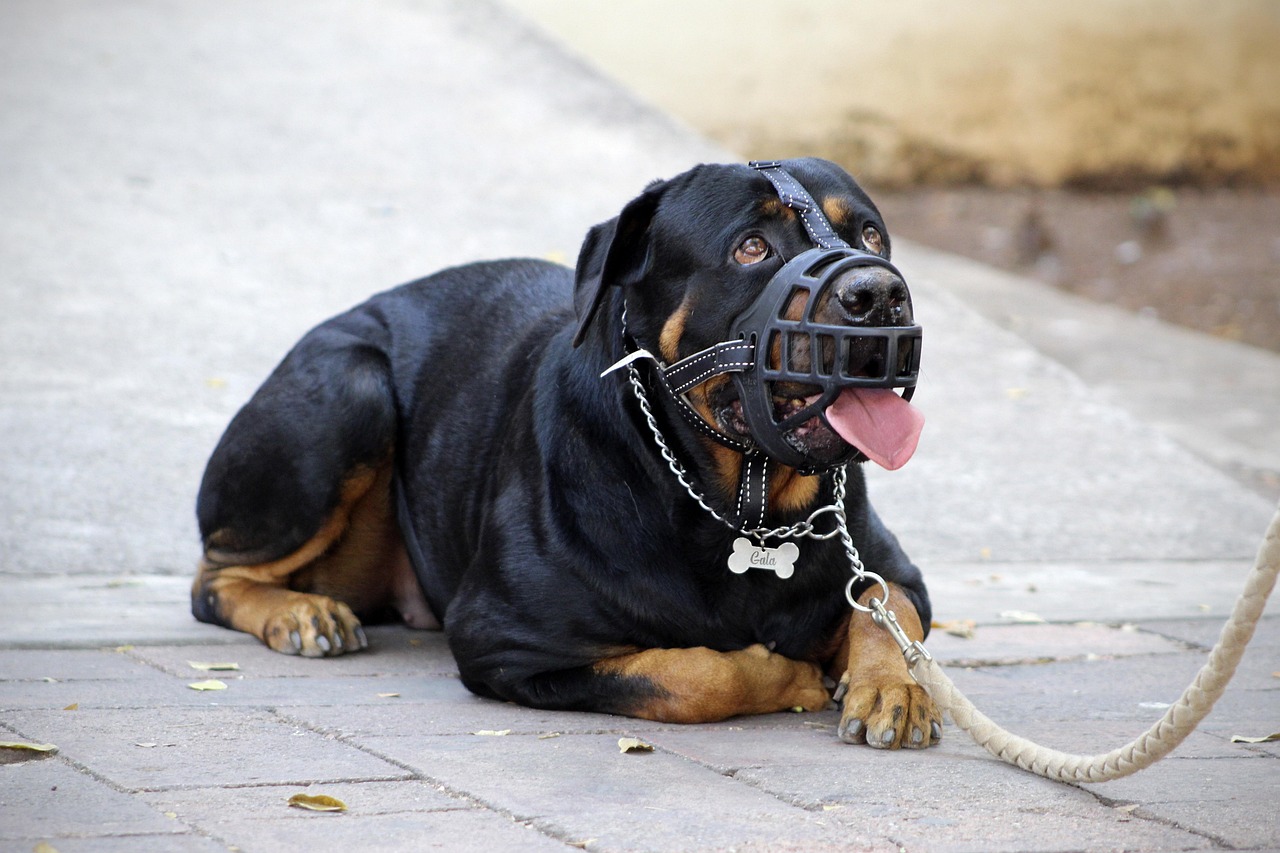

Using Positive Reinforcement to Reduce Access-Related Aggression in Dogs
Aggression in dogs when prevented from accessing certain areas can be a major behavioral issue. It often stems from frustration, anxiety, or a protective instinct. Understanding the triggers behind this behavior is crucial in addressing the problem effectively. Common scenarios where this occurs include when a dog is stopped from entering a room, going outside, or accessing food. Identifying these situations is vital, and owners need to remain calm and patient while observing their dog’s behavior. Positive reinforcement, which emphasizes rewarding desirable behaviors rather than punishing unwanted ones, is one of the most effective methods to reduce aggression. This technique builds trust and encourages a sense of security in dogs, leading to a less aggressive response. By consistently rewarding calm behavior and redirecting attention when aggression arises, owners can create an environment that promotes good behavior. Over time, dogs will learn that cooperation leads to positive outcomes, thus reducing the likelihood of aggressive reactions when access is restricted. Practicing these methods daily is essential to instill a long-lasting change in behavior.
Effective positive reinforcement involves the use of rewards such as treats, praise, or toys. Owners should aim to reward their dogs immediately following a desired action as timing is crucial in reinforcing positive behavior. For example, if your dog remains calm while being prevented from accessing a restricted area, this is an ideal moment to offer a reward. This approach helps the dog associate calm behavior with positive outcomes, which can lessen aggression over time. Moreover, using a consistent command can help reinforce the behavior further. Words like “wait” or “stay” can be useful cues that signify to your dog they must remain calm and patient. Additionally, gradually increasing the duration for which access is restricted before rewarding your dog can help improve their patience. Owners should avoid yelling or expressing frustration toward their pet, as this can exacerbate anxiety and aggressive tendencies. Instead, maintaining a calm demeanor and offering generous praise will encourage a more positive association with these situations. Over time, you will notice a marked improvement in your dog’s aggression levels when access to certain areas is blocked.
Implementing Training Techniques
Training your dog to respond positively in situations where they might show aggression is crucial. This involves creating a structured training plan that incorporates the desired behaviors. The first step in this plan should include a quiet, familiar environment where distractions are minimal. This will help the dog focus on the training during the initial stages. Start by using short sessions, around 5 to 10 minutes long, to avoid overwhelming your dog. Practice commands such as “sit” or “down” before demonstrating access restrictions. One effective technique is to set up scenarios where your dog is turned away from the restricted area while you stand guard. During these moments, if your dog remains calm, you should immediately reward them. Gradually increase the difficulty by adding more distractions. Consistency is key in this training process. Engaging in frequent short training sessions will yield more positive results than infrequent long ones. Keep in mind that every dog learns at their own pace and patience is necessary throughout this journey. If your dog becomes overly anxious or aggressive during training, it might be prudent to take a step back.
In some cases, professional help may be beneficial in managing access-related aggression. Consulting a certified dog trainer or behaviorist who specializes in positive reinforcement techniques can provide tailored guidance and strategies. These experts can assess your dog’s individual behavior patterns and offer personalized advice. Additionally, they may suggest implementing modifications in your lifestyle or environment to support your dog’s training. Group classes designed for socialization can also be useful, as they allow dogs to practice behaviors in a controlled setting with other dogs and owners. During these classes, social interactions can help reduce anxiety and build confidence. Always remember that dogs mirror the emotions of their owners, so maintaining a calm and positive atmosphere will help reinforce the desired behavior. Moreover, ensure that everyone in the household is aware of and follows the training techniques consistently. This uniformity is crucial in preventing confusion for the dog, which could exacerbate existing aggression issues. Progress may be gradual, but with persistence and dedication, access-related aggression can be significantly diminished.
Reinforcing Positive Behavior
One of the most effective aspects of positive reinforcement is its ability to strengthen desired behaviors over time. For instance, if a dog consistently shows calmness in situations where they are held back from accessing certain areas, you must ensure to consistently reward this behavior. The key to successful reinforcement, however, is in the variety of rewards used. Mixing treats, verbal praise, and playtime helps keep the reinforcement interesting for your dog. You should also be mindful of timing; rewarding immediately after the desired behavior reinforces the connection in your dog’s mind. Sometimes, distractions such as insisting on staying within boundaries can also provide a natural way to reinforce calm behavior. When you observe your dog holding their place, affirm their good behavior with a treat or affectionate praise. By creating a habit of rewarding calmness repeatedly, you can progressively reduce the level of frustration and aggression related to restricted access. Over time, your dog will begin to associate blocked access with positive outcomes, thereby lessening their urge to react aggressively.
Another technique involves using visual cues to signal to your dog that they should expect either access or restriction shortly. This could be achieved by using a specific object or sign, which dogs can learn to associate with either positive access or the need to remain calm. For instance, placing a specific mat at the threshold of a restricted area can signal that your dog should wait calmly. When they do, provide a reward to further strengthen this behavior. Training your dog to recognize these cues not only helps reduce frustration but can also empower them with understanding. Over time, they will learn to associate the signaling with positive outcomes rather than aggression. In scenarios where dogs might be prone to react aggressively, using gates or barriers can also help manage the situation safely while practicing calm behavior training. Therefore, managing access holistically with a combination of cues, rewards, and barriers can cement positive behavior in your dog. Every small success builds towards a calmer dog and a more harmonious home environment.
Benefits of Reducing Aggression
Reducing access-related aggression in dogs not only benefits the canine involved but also improves the overall quality of life for both the pet and the owner. An aggressive dog can create tense living situations, leading to anxiety for both parties. When an owner successfully utilizes positive reinforcement techniques, they foster a more peaceful home atmosphere. This transformation often leads to better relationships, not only between the dog and its owner but also with guests and other pets within the home. Moreover, a dog that responds positively in restricted scenarios shows they are learning to manage their emotions. This skill is valuable and can have far-reaching benefits in other aspects of their behavior. Reduced aggression often means safer interactions with children and unfamiliar guests, promoting greater integration into family activities and outings. Furthermore, a well-behaved dog enhances the confidence of their owner, allowing them to feel proud and secure about their canine companion. As a result, owners may feel more comfortable engaging in social gatherings, knowing their dog can handle various situations without mishaps.
Ultimately, employing positive reinforcement to mitigate aggression when a dog is denied access cultivates mutual respect and understanding. Dogs thrive in environments that are predictable and rewarding. A consistent, nurturing approach allows dogs to feel more secure, leading to overall happiness and well-adjusted behavior. With a solid framework in place, dogs can learn to cope with scenarios that may have previously triggered aggressive responses. Over time, patience on the part of the owner and regular practice can lead to significant behavioral changes. Moreover, the relationship strengthens during this process, as trust develops through positive interactions. It’s important to remember that changing behavior takes time, and setbacks can occur. However, maintaining a positive outlook and consistent training will produce the best results. Seeking support and advice when needed, along with persistence, will lead to a well-adjusted pet. In conclusion, understanding and addressing aggression through a positive reinforcement framework ensures a happier, healthier bond between dog and owner.