
Preparing Your Home for Cat Medical Emergencies
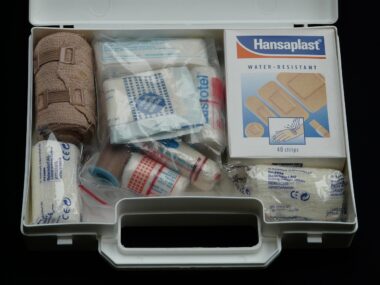
Ensuring your home is prepared for cat medical emergencies can be life-saving. Cats, by nature, are curious creatures and can easily find themselves in precarious situations. To enhance their safety, consider setting up a dedicated first aid area. This space can be equipped with essential supplies such as bandages, antiseptics, and other necessary items. Make sure to have a list of emergency contacts readily accessible. This includes your vet’s phone number, local animal hospitals, and poison control numbers. Invest in an animal-first-aid kit to provide immediate assistance in case of injuries. Furthermore, familiarize yourself with common ailments and injuries involving cats, such as cuts, bites, and allergic reactions. This knowledge can boost your confidence and ability to handle potential emergencies. By creating a safe zone with proper supplies and information, you can alleviate stress during critical moments. Additionally, ensure that all family members know where to find first aid materials and how to use them appropriately. In case of an emergency, every second counts, so having a well-organized area can significantly affect your cat’s recovery.
In addition to having a first aid area, it’s crucial to maintain a detailed medical history for your cat. Document their vaccination records, past health issues, allergies, and medications. Keeping this information at hand ensures that anyone caring for your cat during an emergency can access vital data quickly. You can create a small folder or use a digital format that’s easy to share. This file should also include recent vet visits as well as any instructions provided by the vet. Additionally, consider preparing an emergency contact list not just for veterinary services but also for trusted pet-sitters or friends who can help during emergencies. A solid plan allows those around you to act decisively in your absence. Regularly evaluating your preparedness measures is advisable. Review your supplies every few months to replace expired items and reassess your cat’s health status. Furthermore, engage in conversations with your veterinarian about prevention strategies tailored to your cat’s specific needs. An informed approach can lead to better outcomes should a medical crisis arise. This proactive stance provides peace of mind for both you and your feline companion.
Creating a Safe Home Environment
Creating a safe home environment for your cat reduces the likelihood of emergencies. Start by securing potentially dangerous areas and materials. This involves safely positioning household chemicals, cleaning agents, and medications out of reach. Always ensure doors to laundry rooms and basements are kept closed to prevent accidents. Additionally, employing childproof latches can act as an extra barrier against exploration. Furthermore, inspect areas where your cat spends time for hazards. Remove dangling cords that could pose strangulation risks, and avoid having small toys or objects around that could be swallowed. Soft furnishings should be made from materials that won’t fray, as ingested strands can cause severe internal damage. For outdoor cats, ensure that your yard is enclosed and that any toxic plants are eliminated. Additionally, investing in a collar with an ID tag and microchipping your cat can aid in returning them home if lost. These steps collectively contribute to a safer, accident-free environment where your cat can thrive, reducing the need for medical emergencies related to environmental dangers.
Regular health check-ups are essential as part of your strategy for cat safety, which aligns closely with emergency preparedness. Scheduling veterinary visits allows for early identification of potential issues, improving health outcomes significantly. Vaccinations, parasite control, and dental check-ups should be standard practices for any responsible cat owner. During vet visits, inquire about any specific risk factors concerning your cat’s breed, age, and lifestyle. Learn how to recognize behavioral changes or signs of distress in your cat. This knowledge equips you to respond quickly if something seems amiss. For instance, excessive grooming may signal anxiety or illness, while sudden aggression could indicate pain or discomfort. Develop a relationship with your vet so that they have a comprehensive understanding of your cat’s health preferences. This personalized care can make a world of difference in an emergency. Remember, knowing when to act is just as important as being prepared. This vigilance can prevent a small issue from escalating into a severe health crisis, ensuring your beloved feline companion remains healthy and safe.
Essential First Aid Basics for Cat Owners
Understanding essential first aid for cats is vital for any pet owner to ensure safety during emergencies. Familiarize yourself with common first-aid techniques, such as how to control bleeding and treat minor wounds. When handling injuries, it’s essential to remain calm so that your cat doesn’t become agitated. Use a clean cloth or gauze pad to apply gentle pressure to a bleeding wound. If the bleeding does not stop after several minutes, seek immediate veterinary assistance. For minor scrapes and cuts, clean with warm water and apply a pet-safe antiseptic. Keep in mind that cats require special care when administering human medications. Always consult your vet before giving your cat any medications, including over-the-counter drugs. Develop a basic understanding of CPR for cats as it can come in handy in critical situations. There are many resources and guides available that can help you learn these skills. Consider attending a local first aid for pets class to get practical experience. Knowledge in first aid gives you an additional layer of comfort that you are capable of caring for your pet during any crisis.
Another critical aspect of your home emergency preparation is knowing how to transport an injured cat safely. Injured cats can be unpredictable, and they might react defensively when in pain. Having a portable, secure carrier is essential, as it shields both you and your cat from harm. When transporting your cat, try to keep them calm by speaking softly and gently handling them. Covering the carrier with a blanket can create a safe, confined space, reducing their anxiety. If your cat cannot be placed in a carrier, using a towel to wrap them securely can help prevent sudden movements. Always ensure you take the shortest route to the vet, avoiding sudden movements that could aggravate injuries. Inform the vet’s office of your arrival so they can prepare for your cat’s immediate care upon reaching the clinic. This preparation can significantly influence your cat’s chances of recovery. As challenging as it may seem, remaining composed will help your cat feel more secure during a stressful experience. This readiness enhances your ability to respond effectively in medical emergencies.
Final Thoughts on Cat Emergency Preparation
In summary, effectively preparing your home for cat medical emergencies involves several key steps. Creating a safe environment limits the chances of accidents while maintaining a first aid area lays the groundwork for responding to injuries promptly. Regular vet visits and understanding your cat’s health also reinforce your comprehensive emergency strategy. Additionally, familiarize yourself with first aid procedures and ensure all family members are informed about emergency contact numbers. The value of keeping a detailed medical history of your cat cannot be overstated. This document will provide vital information to anyone stepping in during emergencies. Also, invest in learning basic transport skills, along with safe handling practices. Remember, calmness is crucial in any crisis situation. Your ability to operate efficiently and sensibly will reflect not only in the effectiveness of your response but also on your cat’s immediate wellbeing. Your cat relies on you for their care, making your preparedness indispensable. By implementing these strategies, your home can transform into a haven of safety and support ensuring the well-being of your furry friends.
.
This paragraph wraps up our exploration of preparing your home for cat medical emergencies. By making small, deliberate efforts, you can create a safer living space for your cat. Taking steps to be equipped with knowledge and supplies can drastically change outcomes in emergency situations. Your pet’s safety relies on your diligence and readiness, ensuring you can provide immediate care in critical moments. If you’d like to learn more about additional resources, consider visiting reputable sites dedicated to pet health. Being proactive in your cat’s welfare creates a solid foundation for a longer, healthier life together. Continuously updating your preparedness plans and remaining vigilant against potential hazards strengthens your role as a responsible pet owner. Ultimately, these efforts foster a deeper bond between you and your cat, based on trust and safety. As you refine your pet care practices, you’ll find that peace of mind for both you and your cat enhances your shared experience. With your dedication to their safety, your feline companion can confidently explore their environment and live their best life.