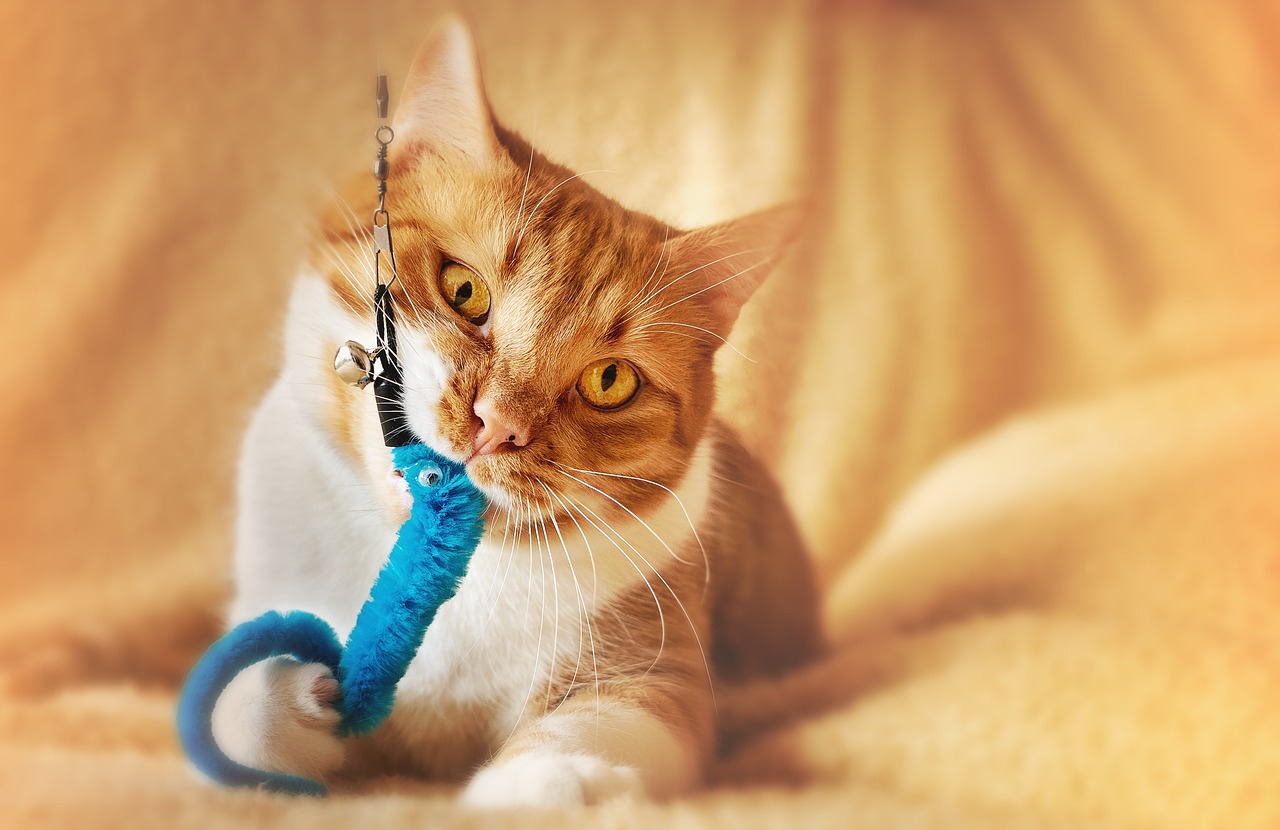

Balancing Solitary and Interactive Play Training for Cats
Understanding the balance between solitary and interactive play for your cat is essential for their emotional well-being. Cats are unique in their play preferences, often alternating between chasing after toys and enjoying a quiet moment alone. Solitary play allows them to exercise independence and develop hunting skills, while interactive play fosters bonding with their owners. Initially, focus on providing engaging toys that cater to your cat’s instincts, like feather wands or laser pointers. Set aside specific times each day for interactive play, establishing a routine that your cat can anticipate. This encourages engagement and strengthens your relationship. Keep track of your cat’s favorite toys and activities; switching them up periodically can keep their interest piqued. Additionally, observe their reactions to different stimuli, ensuring that you cater to their individual needs. Ultimately, the goal is to create a harmonious play environment that nurtures both these aspects. Remember, a well-rounded play strategy helps to cultivate a happy and healthy feline companion in your home.
Interactive play sessions are crucial to your cat’s physical and mental stimulation. Engaging your feline friend in interactive play not only provides exercise but also helps to prevent behavioral issues stemming from boredom. Use toys that allow you to participate, such as string toys or toys on a stick. These types encourage them to chase, pounce, and leap, mimicking natural hunting behaviors. Aim for short bursts of play, about 10 to 15 minutes, throughout the day rather than one long session. Cats can get bored quickly, so varied activities are essential. Consider alternating toys and introducing new items to keep their interest high. If your cat seems disinterested, try different play methods, such as using sound or movement to attract their attention. It’s crucial to observe your cat’s mood and response throughout these activities. Also, reward them with treats or affection after a successful play session to reinforce positive behavior. Lastly, incorporating both solo and interactive play will ultimately lead to a happier, more well-rounded cat. Both forms of play are essential for a balanced lifestyle.
Solitary play is equally important for your cat’s overall well-being. Cats, by nature, are solitary hunters. Thus, engaging them in solitary play can nurture their instincts effectively. Provide a variety of toys that allow for independent exploration, such as balls, scratching posts, or interactive puzzle toys. This allows cats to challenge themselves and develop critical thinking skills by figuring out how to get the treat or toy from the puzzle. Moreover, creating a space where they can be alone and feel safe is imperative. It might include cozy spots or hiding places where they can retreat whenever they feel the need. Setting boundaries when your cat is alone is also essential, as it teaches them independence. Allow them to explore and play without direct supervision occasionally, fostering self-reliance. Observe their behavior during solitary play; it can be surprisingly revealing about their preferences. Keep a balance of these activities as both solitary and interactive play contribute towards fulfilling their innate instincts. This harmonious approach can significantly enhance your cat’s mental and emotional health.
Choosing the Right Toys
Selecting suitable toys is crucial in defining your cat’s play experience. Not all cats enjoy the same types of toys, and preferences can vary widely based on their personality, age, and physical abilities. Soft toys, crinkle balls, and jingling mice may appeal visually and audibly to many cats. Cats with a strong prey drive will thrive on toys that mimic the movements of prey. On the other hand, quiet cats may prefer simpler toys. It is essential to offer a tactile variety, allowing your cat to engage physically. Make sure the toys are safe; avoid small parts that can be swallowed or any materials that might unravel. Regularly inspect toys for any wear or damage and replace them as needed. This ensures safety during playtime. Moreover, introducing toys that require problem-solving, like treat-dispensing toys, can stimulate their minds and keep them engaged. Creating a toy rotation system to keep the play experience fresh will further benefit many cats. A well-thought-out selection will greatly enhance your cat’s solitary and interactive playtime experience.
Establishing a routine for both solitary and interactive play fosters a happier and healthier environment for your cat. Cats thrive on predictability and need regular engagement to remain active and content. Set specific times each day dedicated to play, ensuring that your cat knows when to expect interaction. Devote one or two sessions daily to interactive play to strengthen your bond and keep them active. The inclusion of solitary play can be different; it might happen anytime your cat feels the urge to explore or engage independently. These sessions don’t need supervision, but should be monitored occasionally to ensure safety. In addition, incorporate hunting practices within this routine. For instance, hiding treats around your house can encourage solitary exploration while keeping them engaged and active. Varied play sessions throughout the day mimic the natural hunting rhythm, allowing them to explore, refine their skills, and get their daily exercise. Overall, creating a structured play component in their daily lives establishes trust, builds confidence, and satisfies both mental and physical needs for your feline companion.
Tips for Positive Reinforcement
Using positive reinforcement during playtime is an effective method to encourage desired behaviors in your cat. When your cat successfully engages with a toy, provide immediate praise or a small treat to reinforce that specific action. This teaching method exploits your cat’s natural instincts relating to rewards and encourages motivation to interact with toys more frequently. Be consistent; repeat this method for the same activity until it becomes a natural response for your cat. Over time, they will learn which toys deliver the best rewards, thus encouraging them to seek those out when they want to play. Additionally, remember to pay attention to their mood; if they seem to lose interest, consider switching toys or taking a small break before resuming play. Avoid scolding or punishment, as it can lead to fear and reluctance to engage. Instead, maintain a positive and encouraging environment during play, helping your cat feel safe and valued. By establishing play as a fun and rewarding experience, you can ensure that your feline friend will embrace both designated types of play.
Lastly, maintaining a clean and safe environment can benefit your cat’s playtime engagement. Regularly declutter your cat’s play area to ensure safety. Remove small objects that could be ingested or any items that could cause injury. Create diverse play settings throughout your home, allowing your cat to explore and engage with different surroundings. Setting up a designated play zone can be beneficial, whether it’s a cozy corner with scratching posts or open areas allowing them to dash and leap. Safe spaces can also include spots where they can hide and observe their surroundings or even interact with nature, such as a window perch. Moreover, keep their toys organized and easily accessible, promoting active participation in play. By ensuring that your cat’s play environment is inviting and free from hazards, they are encouraged to engage more frequently with both toys and their owners. A well-kept area can make playtime more enjoyable, encouraging both solitary exploration and interactive engagement with ease. Balancing these aspects is the key to fulfilling your cat’s adventurous spirit.
In conclusion, understanding the balance between solitary and interactive play training is essential for nurturing your cat’s emotional and physical well-being. By providing a variety of engaging toys and ensuring that your cat has time for both forms of play, you’ll create an enriching environment. Establishing a routine, using positive reinforcement, and maintaining cleanliness will contribute to your cat’s happiness. Being attentive to their preferences and reactions is crucial; this allows you to adapt your approach as their needs evolve. Remember that cats are naturally curious creatures that require mental and physical stimulation to thrive. Intertwining aspects of both solitary and interactive play will not only build a stronger bond between you and your cat but also enhance their overall quality of life. Embrace the diversity of activities available, as each play type plays a significant role in their development and happiness. Ensuring your cat receives regular interactions will lead to positive behavioral patterns and contentment. With patience and a tailored strategy, you can produce well-adjusted and satisfied feline companions.