
Top 10 Exercises to Keep Your Adopted Dog Healthy
Adopting a dog brings immense joy and companionship, but it also comes with the responsibility of ensuring their well-being, particularly their exercise needs. Regular physical activity is crucial for your dog’s health, helping them maintain a healthy weight, reduce anxiety, and stay physically fit. Engaging your newly adopted canine in various forms of exercise can create a stronger bond and ensure their emotional and mental health. Importantly, different dogs will have different exercise requirements based on their breed, age, and health condition. Choose activities that align with their energy levels and preferences. Incorporating these exercise routines into your daily life can be as simple as short walks or more interactive play sessions. Make time to explore outdoor adventure in nearby parks, or engage in fun home activities that stimulate both mind and body. Choosing a mix of activities can prevent boredom and keep your dog excited about their exercise routine. Observe how they respond to each activity and create a balanced approach. Let’s explore ten effective exercises that will not only meet their physical needs but also promote happiness and well-being.
One of the simplest yet most effective exercises for your adopted dog is walking. Regular walks provide your dog with essential physical activity and stimulate their minds with all the sights and smells in the environment. Begin with shorter walks, gradually increasing the duration as your dog becomes more accustomed and comfortable. Engaging in various routes can keep walks fresh and engaging. It’s also crucial for socialization, allowing your dog to interact with other dogs and people. Depending on your dog’s energy level, aim for at least 30 minutes of walking every day, adjusting as necessary for specific breeds. If you have an energetic breed, consider incorporating jogging intervals to give them a more vigorous workout. Ensure you keep your dog on a leash and use a harness for better control. This simple activity is also beneficial because you can do it with friends or family, promoting bonding and companionship. Remember to bring water for your dog during warmer weather and allow frequent breaks as needed. By consistently integrating walking into your daily routine, you contribute significantly to your dog’s overall health.
Fetch Activities
Playing fetch is an exhilarating exercise perfect for energetic dogs. This simple game not only gets them moving but also satisfies their natural instincts to retrieve. Begin by selecting an appropriate ball or frisbee that your dog enjoys. Start in a safe, enclosed area like your backyard or a local park. Initially, throw the object a short distance and encourage your dog to chase it. After they understand the game, gradually increase the distance of your throws for a more stimulating workout. To make this game even more rewarding, use treats or toys as incentives for your dog to return the object to you. Be sure to use verbal cues or commands to teach them to drop or give the item back. The fun of fetch encourages your dog to run and exercise while reinforcing training commands. It’s important to monitor your dog’s energy levels; allow them to rest if they start to tire. This activity can also be a fantastic family bonding time, making it enjoyable for both you and your furry friend. By mixing up the fetch routine, you ensure it remains exciting for them.
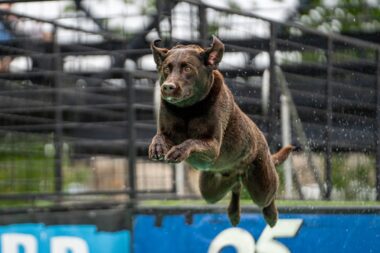
Swimming is another excellent exercise option for dogs, particularly those with high energy levels or breeds that are natural swimmers. There are numerous benefits to swimming, including the low impact on joints and muscles while providing an excellent overall workout. If you have access to a dog-friendly pool or beach, introduce your dog to the water gradually. Begin on a warm day, allowing them to wade in slowly and explore at their own pace. Always supervise them closely, ensuring they remain safe at all times. Some dogs may be hesitant, so using a favorite toy or encouraging them with treats can help introduce them to this new experience. Swimming can provide mental stimulation, allowing your dog to explore a different environment. Additionally, it encourages cooling off during hot weather. For dogs who may not be adept at swimming, consider using life jackets to help them feel more secure. Limit swimming sessions to avoid fatigue, and always provide fresh water afterward to prevent accidental ingestion of pool or sea water. Implementing swimming into their routine can provide a fantastic way to keep your dog healthy.
Agility Training
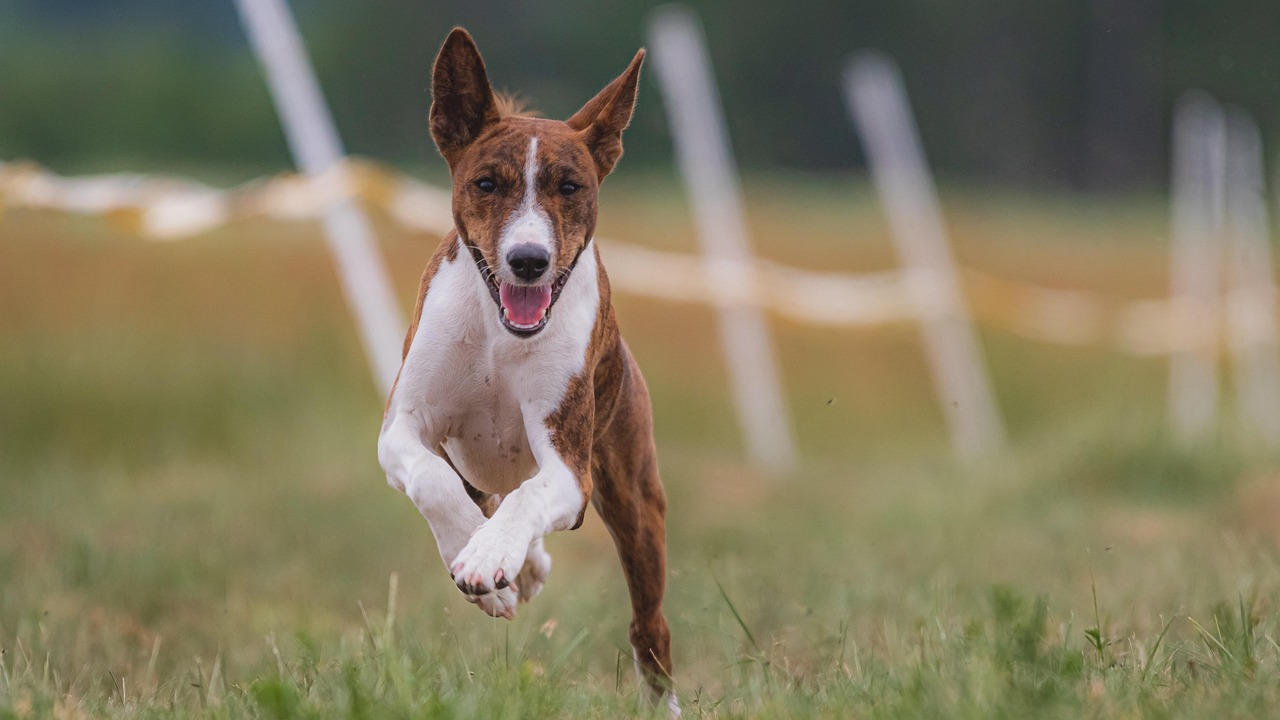
Agility training is an engaging way to exercise your dog while stimulating their mind. This sport involves navigating a course that includes various obstacles such as tunnels, jumps, and weave poles. Agility can be beneficial for both mental and physical health by requiring your dog to think while they run. Start with basic commands and gradually introduce obstacles as they become more confident. Consider joining a local agility club or attending workshops to learn techniques and get training tips. This is also a great way to meet other dog owners and participate in community activities. Investing time into agility training may initially require patience, but the bonding experience is invaluable. Your dog will quickly develop coordination, focus, and speed as they master the various challenges. The excitement of agility will not only improve your dog’s health but can also be a fun activity to do together. Remember to encourage them with praise and treats as they progress. Consistency is key in maintaining their interest and ensuring they enjoy the training sessions. In no time, you’ll have a well-trained, happy dog.
Biking with your adopted dog can be an enjoyable way to combine outdoor exercise while promoting fitness for both you and your dog. Ensure you have a sturdy bike leash or attachment leveraging that keeps your dog safely at your side, without getting tangled. Training is crucial; teach your dog to run alongside your bike before hitting the trails. Start slow, allowing your dog to adjust to the speed and environment around them. Gradually increase the pacing as their comfort grows. Opt for flat, safe paths, avoiding busy streets or heavy pedestrian areas. Consider shorter rides initially, allowing your dog to acclimatize to the biking experience. Watch for signs of fatigue, ensuring you allow breaks and have plenty of water on hand. Riding can prevent boredom for your dog while offering a higher-energy workout. Plus, it allows you both to explore new areas together, fostering a deeper bond. Regular biking sessions can significantly improve your dog’s fitness level, aiding in weight management and muscle strengthening. Always ensure that safety remains paramount, making biking a fun and beneficial outing for your furry friend.
Interactive Playtime
Engaging in interactive playtime is essential for a well-exercised dog. Activities like tug-of-war or hide-and-seek challenge your dog’s physical abilities while also strengthening your bond. Tug-of-war encourages strength and can be highly stimulating for them. Use a sturdy rope or toy, allowing them to pull while ensuring participation is safe. Meanwhile, hide-and-seek can mentally challenge your dog, promoting problem-solving skills. To initiate the game, have your dog sit and stay while you find a hiding spot. Once ready, call their name and encourage them to seek out your location. This game fosters teamwork and enhances obedience training. Furthermore, you can use simple items like boxes, blankets, or furniture to create a hiding space for treats as another form of the game. This will keep your dog inquisitive as they engage in this enriching activity. Remember, engaging activities not only tire your dog physically but also emotionally and mentally. Incorporate these interactive play methods regularly into your schedule. By keeping the sessions varied and exciting, your dog will look forward to these bonding moments, ensuring their happiness and well-being.
In conclusion, adopting a dog is a rewarding experience that requires responsibility in providing the right exercise to keep them healthy and happy. The routines we discussed, including walking, swimming, fetch, agility training, biking, and interactive playtime, all contribute significantly to ensuring your dog’s fitness and emotional well-being. Tailor the activities to suit your dog’s breed and energy level, enabling them to thrive. Incorporation of these exercises helps reinforce obedience while fostering the bonding experience between you and your pet. Engaging in regular exercise can lead to a more balanced dog, keeping behavioral issues at bay and enhancing overall happiness. Remember to monitor your dog’s behavior and energy during activities; adjust them when needed to prevent fatigue or injury. Always use positive reinforcement to encourage participation and cooperation. As you explore various exercises, make sure to maintain consistency, keeping your dog engaged and stimulated. Always prioritize safety by utilizing equipment appropriately and being attentive to surroundings. By being proactive in addressing their exercise needs, your adopted dog will not only lead a healthy life but become a well-rounded companion, bringing endless joy and loyalty into your life.