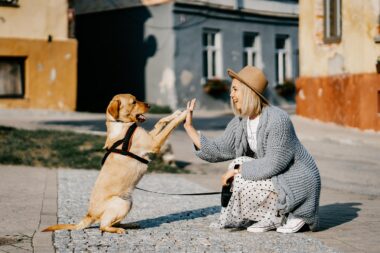

The Effects of Over-Socialization: Finding the Right Balance for Your Dog
In today’s pet-centric world, the importance of dog socialization is widely acknowledged. Socialization involves exposing dogs to various environments, people, and other animals. However, over-socialization can lead to behavioral and mental health issues for dogs. Striking the right balance is crucial. Excessive social interactions may overwhelm your dog, leading to anxiety and fear instead of confidence. Furthermore, over-socialized dogs may exhibit signs of stress when placed in unfamiliar situations. Dogs thrive on routine and predictability, and too many new experiences can unsettle them. Therefore, monitoring your dog’s reactions to social interactions is essential. Gradually introducing new experiences allows your dog to adapt without feeling stressed. Observe your dog’s body language and signs of distress. Some behaviors to watch for include excessive panting, whining, or cowering. These signs indicate your furry friend may need a break from socialization. Consider prioritizing quality over quantity when socializing your dog. Fewer, positive experiences can often lead to better outcomes in terms of mental well-being. Always ensure your dog feels safe and secure in new environments to foster positive associations.
Understanding Dog Anxiety
Dog anxiety is often rooted in various factors. Among these are genetics, past trauma, and lack of proper socialization. When dogs experience overwhelming situations frequently, they may develop long-lasting anxiety. Signs of anxiety may manifest through behavior changes, such as increased aggression or withdrawal. Understanding these triggers is vital for effective training and care. Behavioral modifications can improve a dog’s response to stressful situations. Collaborating with a veterinarian, behaviorist, or dog trainer can help in addressing these issues. Moreover, creating a calm home environment is essential for reducing anxiety-related behaviors. Ensure your dog has a safe space to retreat when feeling overwhelmed. Providing toys, comfort items, and a quiet resting area can significantly enhance your dog’s mental state. Leash training also plays a role in managing anxiety. A well-trained dog on a leash will experience less stress during socialization outings. Additionally, positive reinforcement methods help create lasting behavioral changes in dogs. Instead of punishing negative behavior, reward desired actions. This approach fosters a supportive bond between you and your pet, alleviating anxiety through confidence building and positive experiences.
Socialization can also significantly affect a dog’s temperament. Each dog has a unique temperament shaped by factors including breed, age, and individual personality. Understanding these characteristics is crucial when it comes to socialization efforts. For instance, some breeds naturally exhibit more nervous tendencies, while others might be innately confident and sociable. Equally important is recognizing a dog’s comfort level with various types of social interaction. A well-socialized dog generally exhibits better behavior around others, showing increased confidence and adaptability. Although the benefits of socializing dogs are significant, keeping an eye on their stress levels is essential. Watch for signs that indicate your dog may need to dial back its social exposure. Consistently integrating structured playdates or controlled group walks can enhance your dog’s experience. If a dog shows distress during these activities, it may be worth limiting interactions in the future. Educating yourself on dog behavior can provide insight into their necessary social needs. Instead of forcing a dog into uncomfortable social situations, work to gradually introduce them to new experiences while respecting their individual limits. Approaching socialization mindfully will nurture your dog’s mental well-being.
Finding the Right Balance
Finding balance in socialization means prioritizing quality interactions. Plan regular, yet controlled outings to positively expose your dog to various environments and stimuli. Additionally, consider smaller gatherings or one-on-one playdates with trusted friends and their dogs. These can be less overwhelming than larger dog parks or crowded festivals. Always assess the interactions to gauge your dog’s comfort level. This will help you understand how much social exposure they can handle. Seek to tailor social experiences that will encourage your dog’s growth while minimizing potential stressors. Furthermore, be consistent in your approach to socialization. Regular patterns allow your dog to get accustomed to new experiences gradually. Start with less intimidating scenarios to build your dog’s confidence, such as securely meeting other dogs on-leash in a quiet park. Positive associations will help them feel at ease over time. Moreover, rewarding calm behavior during social interactions solidifies positive experiences in their memory. This approach makes future interactions less stressful. Incorporating fun training exercises during socialization routines can also make the experience enjoyable. This bonding time helps create positive memories that encourage trust and security.
Some dog owners may wonder when to stop socializing their dog. There is no universal guideline as every dog is different. Paying attention to your dog’s unique needs ensures they receive the right social exposure. It’s essential to be observant of their changing behavior throughout various stages of life. Young puppies may require more frequent and varied social experiences compared to older dogs who might already be set in their ways. Furthermore, if your dog exhibits signs of fear or anxiety after social encounters, consider pausing these activities temporarily. Allowing your dog the time and space to adjust can significantly improve their mental state. An essential aspect of dog ownership is understanding your pet’s limits. When socializing your dog, provide plenty of positive reinforcement to foster a sense of security. Additionally, be sure to include quiet time alongside these social experiences, which gives your dog time to decompress from interactions. A well-rounded schedule that combines social exposure with serene periods is conducive to a dog’s overall mental health. By creating a harmonious balance, you’ll cultivate a strong relationship that positively influences your dog’s well-being.
The Importance of Context
Understanding socialization within the context of each individual dog’s needs is essential. While one dog may thrive in social settings, another may require more controlled exposure. Tailoring the socialization process according to each dog’s temperament fosters a sense of comfort and confidence. Attention to the setting and type of exposure matters significantly. Some environments, such as bustling city streets, may overwhelm sensitive dogs, while they may flourish in quieter surroundings. Recognizing the nuances of different social settings allows for better management of social experiences. Further, consider the influence of individual personality traits when socializing your dog. Incorporate outings designed to suit your dog’s preferences, whether that involves exploring nature trails or enjoying a peaceful day at home with gentle visitors. This tailored approach fosters an understanding between you and your dog, highlighting their needs and preferences. When socializing, opting for familiar environments reduces anxiety while maximizing the chances for positive interactions. Ultimately, building resilience takes time. Be patient and remain observant of your dog’s reactions while introducing new experiences. Positive engagements create a foundation for successful socialization while nurturing mental stability and joy.
In conclusion, successful dog socialization requires balance to ensure optimal mental health. Striking the right equilibrium enables dogs to benefit from social interactions without becoming overwhelmed. A structured approach that recognizes individual needs and preferences helps foster positive experiences. Consistent exposure combined with safe spaces and familiar environments allows dogs to confidently navigate social interactions. Furthermore, remain attentive to your dog’s behavior and adjust socialization plans according to their comfort level. Careful planning and consideration of your dog’s unique personality traits can lead to meaningful relationships and enriching experiences. As a responsible pet owner, dedicating time to understanding your dog’s needs can enhance their mental well-being significantly. Over-socialization can harm your dog, but when managed appropriately, it can be part of a rewarding experience for both you and your furry friend. Encourage enjoyable interactions and continue to nurture their sense of security and comfort. In embracing the unique social needs of your dog, you contribute significantly to their happiness and health. This results in a balanced, loving connection that stands the test of time.