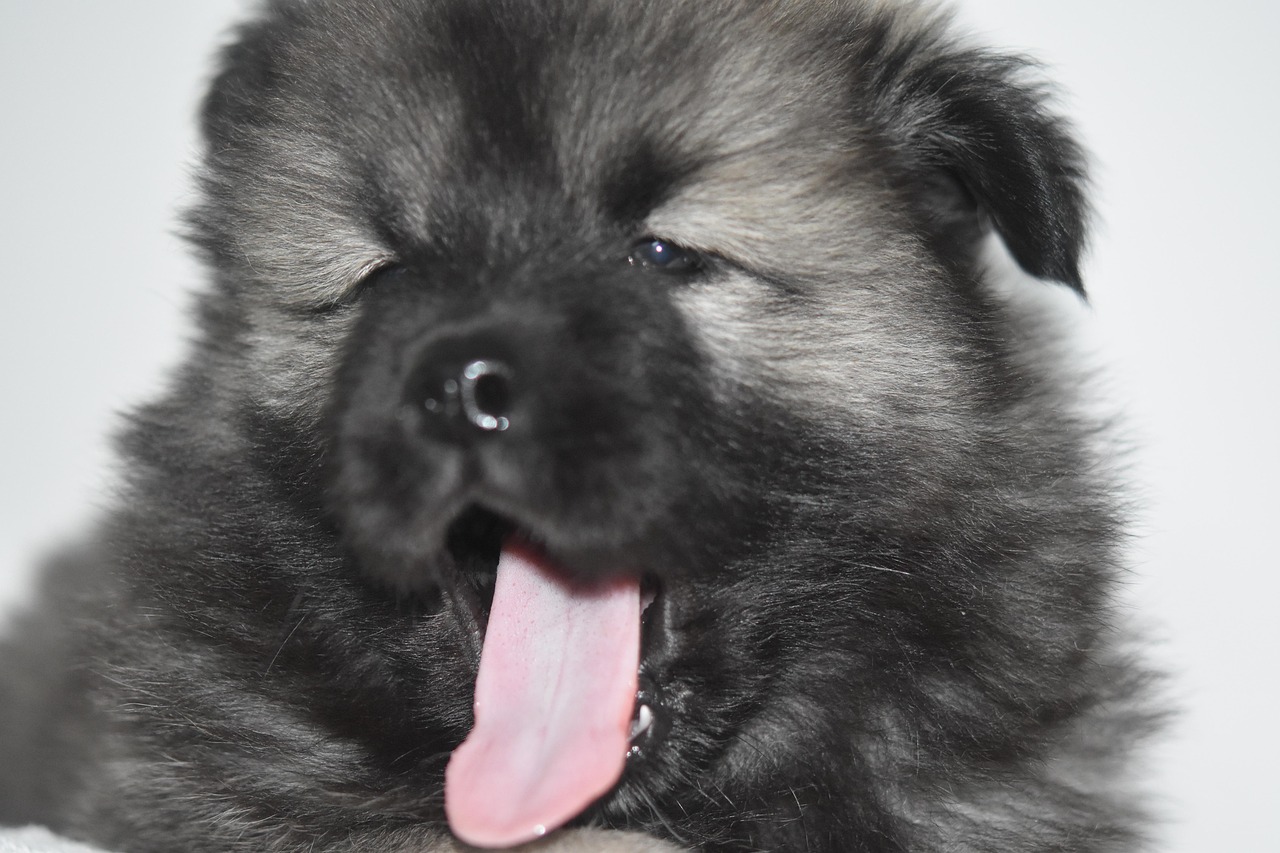

The Role of Body Language in Communicating with Fearful Dogs
Understanding a dog’s body language is crucial for any barking companion. Communication often goes beyond verbal commands, as dogs primarily communicate through non-verbal cues. Observing the posture, tail position, and facial expressions of dogs can reveal much about their emotional state, especially in fearful contexts. When a dog shows signs of fear, such as cowering or avoiding eye contact, it’s vital for owners to respond appropriately to mitigate anxiety. Often, fear can signal a need for reassurance; thus, recognizing these signals fosters a stronger bond. Using calming voices and gentle approaches can help the dog feel safer. Additionally, remaining calm can influence the dog’s behavior positively. Each interaction between a dog and its owner is an opportunity for education and understanding. When dogs perceive a safe environment, their confidence grows. Such knowledge enhances the overall dog-parenting experience significantly, making it less stressful for all involved. Positive reinforcement is essential in these situations, helping dogs learn that calm behavior brings rewards. Practical examples of these interactions can strengthen the communication bond further, ensuring a happier pet-human relationship as trust and understanding flourish.
Recognizing common signs of fear in dogs is key for effective communication. Some dogs hide when they feel scared, while others might exhibit aggressive behaviors. Sweaty paws, tucked tails, or raised hackles are common indicators of anxiety. When a dog demonstrates these behaviors, it’s essential to remain patient and composed. Dogs instinctively mirror their owners’ feelings; thus, an anxious owner could exacerbate the dog’s fears. Offering treats and encouragement can help; however, forcing interactions may push the dog further into its shell. Understanding these dynamics allows caregivers to approach their pets in a way that promotes a calm atmosphere. Experts suggest familiarizing oneself with dog body language to discern more subtle feelings. This enhances the dog’s ability to express trigger points clearly, ensuring that owners are informed about their needs. Many signs can be misinterpreted; hence taking time to observe and learn is beneficial. Resources such as books, videos, or even training sessions can give valuable insights. By investing time into understanding canine emotions, dog parents can ensure their pets develop well-adjusted behaviors, ultimately making the human-animal bond stronger and more harmonious.
Creating a Safe Environment
To help fearful dogs thrive, owners must provide a safe environment that caters to their needs. This means giving them space when needed and ensuring their area is free from sudden noises or disturbances. Ideal conditions are fostered in a quiet and calm place where the dog feels secure. Indoors, dog beds in less populated areas provide refuge. For dogs prone to anxiety during storms or fireworks, a designated safe spot with comforting items like toys can help alleviate stress. The use of calming scents, such as lavender, can create a soothing atmosphere. Owners should also ensure their dog has plenty of socialization opportunities with friendly peers, enhancing confidence over time. Slowly introducing new experiences prevents overwhelming feelings; this gradual exposure is crucial for building stability and reducing fear responses. Positive reinforcement of brave behavior encourages dogs to approach new situations more confidently. Regular routine and structure further help create predictability, making dogs feel more at ease in their surroundings. Consequently, a nurturing environment can transform the canine experience, ensuring joy and well-being for both the pet and owner.
Training plays a significant role in addressing fear-related behavior among dogs. Employing techniques rooted in positive reinforcement is beneficial for managing anxious responses. Rather than scolding a fearful dog, rewarding them for showing bravery in the face of fear is far more effective. Gradual desensitization is essential; this means exposing dogs to their fears in controlled, manageable increments while providing rewards for calm behavior. Finding professional trainers experienced in working with fearful dogs can provide tailored guidance. Such experts often employ methods that emphasize trust and communication between the dog and handler. Group training classes can offer socialization opportunities in a controlled environment, reducing the feeling of isolation. Building confidence through training naturally helps a dog to face fears more readily, suggesting that positive experiences lead to increased self-assurance. Within such frameworks, owners can learn techniques to address fear an issue effectively. Each small success reinforces the dog’s progress, enhancing the owner-pet bond significantly. Over time, ongoing training hones communication skills, creating a robust partnership where both parties understand and trust each other more deeply.
Body Language and Emotional State
The relationship between a dog’s body language and emotional state is intricate. Subtle shifts in posture can signify underlying emotions, thus caregivers should be attentive. For instance, a wagging tail doesn’t always indicate happiness; its position and the speed of movement are critical indicators. A relaxed tail wag at half-mast suggests a comfortable attitude, while a high-speed wag can indicate excitement or anxiety. Additionally, ear placement also conveys messages; ears perked forward might signal interest, while pinned-back ears often denote fear. Observing a dog’s face can reveal anxiety. Wide-open eyes and a tense mouth indicate worry, while soft eyes and a relaxed smile suggest contentment. Owners should familiarize themselves with these cues to better comprehend their dog’s emotional landscape. Understanding how dogs express feelings empowers owners with knowledge about their needs and responses. Observations of body language can positively influence interactions, as recognizing fear allows timely interventions. Furthermore, fostering an emotionally supportive environment enhances communication. By responding appropriately to anxiety signals, owners can reduce fear-based behaviors effectively, allowing the dog to thrive in loving companionship.
Moreover, body language has multidimensional implications within a highly social species like dogs. Sometimes, dogs communicate with other dogs through signals ranging from playful barks to defensive growls. Observing how your pet interacts with peers can reveal much about their comfort levels. Not only do dogs interpret the body language of humans, but they also respond well to positive non-verbal cues. Leaning down to a fearful dog while avoiding direct eye contact can indicate safety and acceptance. To make fearful dogs feel secure, it’s essential for owners to project calmness and confidence. Engaging in playtime with relaxed behaviors reinforces healthy interactions. Behavioral modification can be achieved through consistent application of positive interactions, resulting in a reliable bond base. Furthermore, understanding mutual body communication enhances the ability to identify triggers and situations that induce fear. Owners should document their dog’s reactions and responses to improve their approach. Sharing experiences in dog parks or with fellow dog parents helps gather insights into handling fears. Hence, feeding into this dynamic enhances overall understanding within the human-canine relationship and broadens the horizon for positive engagement.
Conclusion: Embracing Fearful Behaviors
In summary, understanding and addressing dog fears requires awareness of their body language and emotional signs. Dogs, like humans, require reassurance, so addressing fear behavior compassionately can prevent escalation. Observing how dogs interact can empower owners with better communication tools, fostering an environment of safety and trust. Identifying body language signs opens avenues for proactive engagement, reinforcing comfort in anxious scenarios effectively. The bond between a dog and its owner deepens through mutual understanding and care; nurturing fearful dogs creates a harmonious space where all feelings are validated. Embracing these human-animal dynamics transforms fearful situations into meaningful learning experiences. Then, not only do dogs benefit, but owners also gain insights into effective pet parenting. Professionals can provide further guidance, especially in complicated cases that require more expertise. Knowing when to seek assistance is equally important for a dog’s well-being. In our journey of dog parenting, communicating effectively and kindly truly matters. By recognizing a dog’s unique personality and fears, building trust becomes a gratifying experience, celebrating the wonderful partnership shared. Understanding brings us closer, minimizing challenges while maximizing joyful moments of companionship and love.
Dog parenting is a journey that involves love, patience, and understanding. While fearful dogs can present challenges, each moment spent learning and growing together fosters a deeper bond. By investing time into understanding dog body language and emotional states, caregivers create a safe and calming environment. Through that, an enriching experience blooms for both owners and their furry friends, leading to a harmonious life together.