
Vitamin A and Its Impact on Outdoor Cats’ Vision
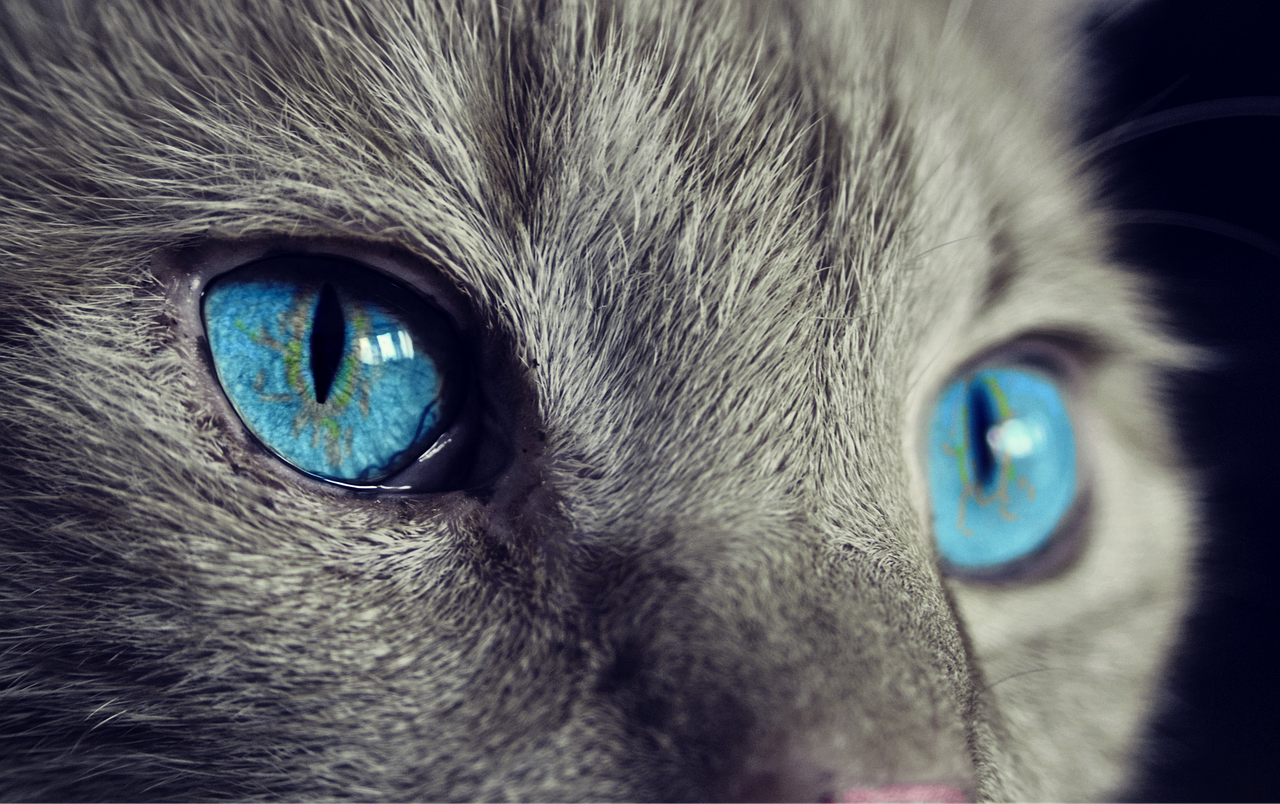
Outdoor cats face unique challenges in their environment, and one of the essential components of their health is Vitamin A. This vitamin plays a critical role in maintaining good vision. In fact, Vitamin A is vital for producing two important proteins that are crucial for vision. These proteins are called rhodopsin and iodopsin, which are responsible for the photoreceptor cells in the retina that detect light and color. A deficiency in Vitamin A can lead to poor night vision and other vision problems in cats. Since outdoor cats are often more active during dawn or dusk, having adequate levels of this vitamin can significantly affect their ability to see and navigate their surroundings effectively. Furthermore, Vitamin A helps in eye tissue growth and repair. Cats who have healthy eyes are more agile and can avoid potential dangers more effectively. Supplements might be necessary for cats that do not receive enough Vitamin A from their diet. It is always advisable to consult with a veterinarian before introducing any supplements into a cat’s diet.
Many pet owners might wonder how to ensure their outdoor cats get enough Vitamin A. The truth is that the solution is often more straightforward than expected. Cats are obligate carnivores, meaning they primarily need meat in their diet for overall health. This includes sources of Vitamin A, which is available in animal-based foods. Key food items include liver and fish, both of which are rich in this essential vitamin. Additionally, many high-quality commercial cat foods are formulated to provide appropriate levels of Vitamin A. Reading the nutritional labels can help pet owners make informed choices. Special attention should be given to ingredients that indicate animal sources, as these are the most reliable sources of Vitamin A. Moreover, it is essential to monitor changes in a cat’s behavior or health, which might suggest a deficiency. If a cat seems to struggle with seeing at night or displaying other vision-related issues, it’s crucial to put in place dietary adjustments or consult with a veterinarian for personalized advice.
Understanding the Effects of Deficiency
Vitamin A deficiency can have serious implications on an outdoor cat’s health, primarily affecting vision. This vitamin deficiency may lead to several debilitating symptoms, including night blindness and overall decreased visual acuity. Cats that are unable to see well at night face significant risks in their natural environment, as they rely heavily on their sight to evade predators and hunt for prey. An outdoor cat’s survival often hinges on its ability to perceive movement and depth. A deficiency could result in hesitancy to roam or explore, limiting their natural behaviors. Moreover, chronic Vitamin A deficiency can result in more severe ocular issues, such as corneal damage or increased susceptibility to eye infections. These conditions can affect a cat’s overall health and well-being, leading to vet visits and potential long-term consequences. Regular wellness check-ups that include monitoring for eye health are essential for outdoor cats. Owners should remain vigilant in watching for symptoms that could indicate a deficiency, ensuring their cats stay healthy and active outside.
In addition to vision, Vitamin A has other vital health benefits for outdoor cats. It supports the immune system, contributes to skin health, and maintains reproductive health. A well-rounded diet that includes adequate Vitamin A can prevent various issues that outdoor cats face, from skin infections to fertility problems. For instance, a healthy immune system ensures that cats can fight off diseases prevalent in outdoor environments, such as parasites and bacterial infections. Supplemental options are also available for cats that may not receive enough Vitamin A through their food alone. It’s essential to choose supplements specifically designed for cats, as human vitamins may contain ingredients harmful to felines. The dosage on any supplement should align with the veterinarian’s advice to avoid toxicity, as too much Vitamin A can be dangerous for cats. Researching different supplement options and consulting a vet can help in making the best choices for outdoor cats. Healthy outdoor cats are often proof of the essential role that Vitamin A and other nutrients play in their overall health and vitality.
Dietary Sources of Vitamin A
Providing the right dietary sources of Vitamin A can significantly improve an outdoor cat’s overall health and vision. As mentioned previously, animal-based sources are the most effective. Liver is one of the richest sources of Vitamin A, particularly beef and chicken liver. Incorporating small amounts of these organs into a diet can provide a substantial boost of this vitamin. Fish, such as salmon and mackerel, are also excellent choices due to their high levels of Vitamin A and Omega-3 fatty acids, which support eye health. For those preferring commercial food options, high-quality cat food brands include the necessary nutrients to support feline health. Look for labels indicating ‘complete and balanced’ nutrition, which means they contain the right levels of vitamins and minerals. For picky eaters, there are also cat food brands that create tasty formulas with enticing flavors that might appeal to a cat’s palate. Regularly rotating a cat’s diet can help maintain interest in their meals while ensuring they receive diverse nutrients, including Vitamin A, for better vision and overall health.
Additionally, the manner of feeding can also influence a cat’s nutrient intake. For instance, restricting food portions to specific types of food may limit the vitamins available to a cat. It’s advisable to provide a balanced mix of wet and dry cat food, as wet food tends to have higher protein and moisture content. This balance helps keep outdoor cats hydrated and feeling satiated. Transitioning between different types of foods should be gradual to help minimize digestive issues. Furthermore, owner behavior in offering table scraps can inadvertently supply additional Vitamin A if organ meats or fish are included. Engaging in responsible feeding practices ensures outdoor cats receive sufficient Vitamin A for optimal health. Pet owners should be cautious not to overfeed, as obesity can lead to additional health problems, overriding the benefits of those nutrients provided through a good diet. Continuous observation of an outdoor cat’s weight and health can guide dietary decisions, ultimately impacting their well-being positively.
Conclusion
In conclusion, Vitamin A is essential for the visual health of outdoor cats. A diet rich in this vitamin can enhance their ability to see in low-light conditions and navigate their surroundings better. As obligate carnivores, it is crucial that their diets consist of animal-based foods that provide adequate Vitamin A levels. Pet owners are advised to check for signs of deficiency, which may include vision problems and changes in behavior. Regular veterinary check-ups and consultations about dietary needs can ensure outdoor cats remain healthy and active. Investing in high-quality cat food along with appropriate supplements, when necessary, can make a significant difference in their quality of life. Furthermore, being vigilant by observing any health changes in cats can help in timely interventions. Outdoor cats live dynamic lives, exploring their environments, hunting, and playing. By ensuring they receive adequate nutrition, specifically Vitamin A, owners can promote their cats’ well-being and longevity. This commitment not only enables them to thrive in their outdoor adventures but also supports overall health throughout their lives.
Remember that outdoor conditions can impact a cat’s dietary needs. Seasonal changes or extreme weather can lead to increased energy expenditure, which may necessitate additional nutritional intake. Understanding the connection between an outdoor cat’s health, including their vision, and Vitamin A can empower pet owners to make informed feeding decisions that promote wellbeing. The right balance of Vitamin A in their diet will ensure that outdoor cats maintain their visual capabilities and overall health, enabling them to enjoy their explorations and natural behaviors confidently. In summary, the importance of Vitamin A cannot be overstated; it plays a vital role in maintaining a cat’s sight, supporting their immune system, enhancing skin health, and promoting a healthy reproductive system. Therefore, ensuring adequate sources of Vitamin A is an essential task for pet owners to help maintain their outdoor cats’ health for years to come.