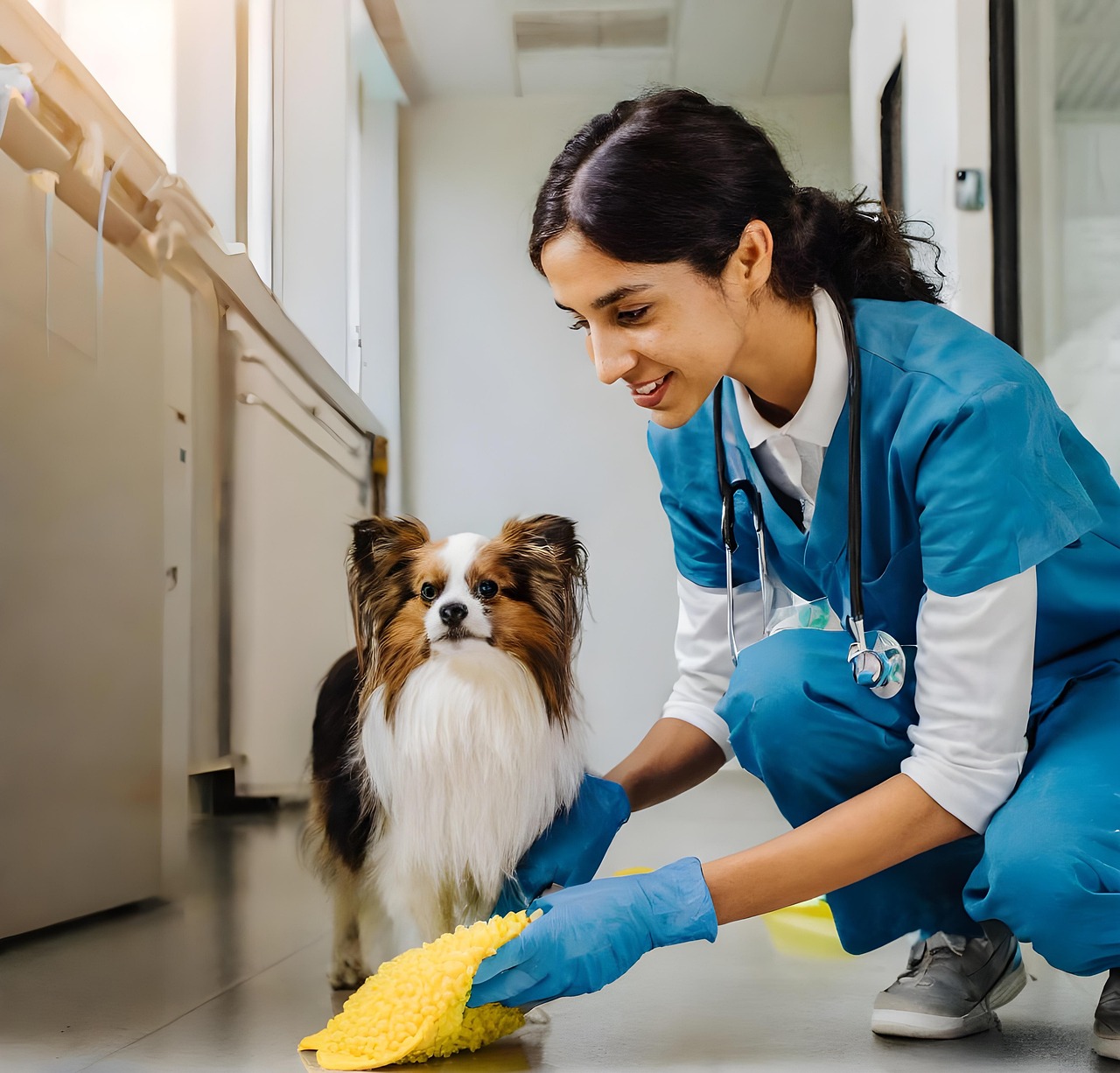

Environmental Cleaning to Reduce Canine Influenza Transmission
Canine influenza, caused by the influenza virus, can spread rapidly among dogs, especially in environments where they congregate. Effective environmental cleaning is crucial in controlling transmission and minimizing outbreaks. Facilities such as kennels, dog parks, and veterinary clinics must establish stringent cleaning protocols. Surfaces frequented by dogs, including floors, walls, and shared items, serve as potential reservoirs for the virus. Regular cleaning and disinfecting practices can significantly reduce the chances of canine influenza spreading. Utilizing suitable cleaning agents, which are effective against the influenza virus, ensures the elimination of infectious particles. Frequent cleaning also protects dogs in highly populated facilities, where the risk of spread increases. Additionally, monitoring and managing the health of dogs in these areas is vital. Isolating sick animals immediately helps reduce the virus exposure to healthy dogs. Training staff on proper hygiene practices also plays a significant role in prevention. Furthermore, promoting public awareness about canine influenza helps owners take necessary precautions. Ultimately, a comprehensive cleaning strategy combined with community engagement can considerably decrease the incidence of dog influenza.
One of the main strategies in environmental cleaning is to identify high-risk areas where contamination is likely to occur. These include feeding stations, rest areas, and play zones. Regular assessment of these areas ensures that cleaning practices remain effective against the virus. Cleaning materials should include disposable wipes or cloths to prevent cross-contamination. It is also vital to use disinfectants that are proven to be effective against canine influenza. Environmental surfaces should be cleaned at least once daily, with additional cleanings occurring after any dogs displaying symptoms have been treated. It is crucial to allow adequate dwell time for disinfectants to be effective; this is often specified on product labels. Additionally, consider incorporating canine influenza education into cleaning protocols. Staff should understand the significance of cleaning procedures in preventing disease spread. Enforcing leash laws in public areas minimizes interaction between dogs that could lead to outbreaks. In housing environments, ensuring adequate ventilation plays a considerable role in preventing airborne transmission. Keeping surfaces dry is equally important, as moisture can harbor pathogens. Strategies such as these form a clearer road to reducing canine influenza transmission within dog populations.
Best Practices for Disinfecting
Emphasizing best practices for disinfecting is crucial in maintaining a healthy environment for dogs. Effective cleaning will reduce the presence of pathogens and lower the risk of disease transmission. Begin by thoroughly cleaning all visible dirt from surfaces prior to disinfection. This initial cleaning removes organic matter that can inactivate many disinfectants. Afterward, use a high-quality disinfectant made for veterinary purposes. Make sure that all cleaning staff are familiar with the specific products in use, including dilution ratios and contact times. Applying disinfectants through fogging or spraying can help reach hard-to-clean surfaces. Ensure all items that dogs touch, such as bedding, toys, and feeding dishes, are washed or replaced regularly. Vacuuming areas frequently will also help remove dander and fur, decreasing risks for airborne transmission. Rotational cleaning schedules can help ensure that high-traffic areas aren’t neglected. Usage of footbaths in entrances to facilities further reduces the risk of tracking in contaminants. All these practices combined contribute to a well-maintained environment which minimizes the risk of canine influenza transmission among dogs.
In addition to routine cleaning and disinfecting, providing proper isolation facilities for sick dogs minimizes outbreaks in crowded environments. Isolation prevents contact between infected and non-infected dogs. Ensure that isolation areas are equipped with necessary supplies, such as food and water, and are thoroughly cleaned after each use. Conduct monthly assessments of the cleaning protocols to evaluate their effectiveness over time. Keeping records of cleaning schedules and incidents can help identify trends leading to occasional outbreaks. Moreover, implementing an educational program for dog owners about influenza symptoms is vital for early detection. Owners should be encouraged to report symptoms, prompting immediate isolation and medical attention for affected dogs. In many cases, early intervention helps contain outbreaks effectively. Public health policies may also support vaccination protocols, thereby aiding in further reducing virus transmission. Combining vaccination efforts with rigorous cleaning protocols creates a multifaceted approach. Having comprehensive records of participants can also help in identifying vaccination responsiveness. Grooming areas must follow strict cleaning guidelines to prevent clustering of cases. This thoughtful approach assists in fostering a healthier dog community.
Engaging the Community in Prevention
Engaging the community can significantly enhance efforts to reduce canine influenza transmission. Advocating for responsible pet ownership encourages dog owners to be vigilant about their pets’ health. Community seminars can provide essential information regarding canine influenza, its symptoms, and prevention methods. Flyers and informational posters can serve as helpful reminders for pet owners visiting public spaces where dogs gather. Consider hosting vaccination drives to promote health within local dog populations. Local veterinarians can guide attendees on vaccination timing and efficacy. Highlight community success stories of individuals or facilities that effectively managed influenza outbreaks through diligent cleaning and awareness strategies. Partnering with local pet businesses for promotional events can also spread important messages about prevention and cleaning. Community involvement often leads to shared responsibility in maintaining health standards for pets. Encouraging feedback on cleaning effectiveness can help improve protocols based on real-world experiences. Moreover, fostering a connection between dog owners creates a supportive environment for addressing canine health issues. Ultimately, collaborative efforts enhance the overall well-being of canine populations, effectively reducing the impact of canine influenza.
As part of ongoing efforts to maintain cleanliness, consider regularly updating cleaning protocols based on the latest research. It is essential to stay informed about emerging canine diseases to respond effectively. Engage in conversations with veterinary professionals who can provide insight into preferred cleaning products and practices. Incorporating their expertise not only reinforces staff training but also fosters a culture of learning within the facility. Dog daycare centers, kennels, and various pet services must understand the risks associated with virus transmission. It is equally important to educate new employees continually upon hiring. New staff should be trained in both the cleaning protocols and the science behind vector control. By understanding how viruses spread, employees will have better commitment to preventive measures. Maintenance staff must also receive in-depth training, ensuring consistency across cleaning schedules. Additionally, utilizing checklists can streamline daily cleaning tasks, ensuring compliance and lessening human error. Lastly, staying proactive in communication regarding canine influenza within the community enhances pet health. Such efforts will contribute immensely to minimizing transmission risks, creating safer environments for dogs and their owners.
The Role of Technology in Cleaning
In today’s fast-paced environment, technology plays an essential role in enhancing cleaning practices to reduce canine influenza transmission. Utilizing automated cleaning devices can help maintain consistent cleanliness in different locations. For instance, robots designed for floor cleaning can be programmed to follow strict protocols ensuring optimum disinfection levels. Additionally, employing UV-C light technology in areas frequently frequented by dogs can enhance disinfection efforts. Routine monitoring through technology provides real-time data on cleaning effectiveness and areas needing attention. Furthermore, incorporating apps for scheduling cleaning routines assists in accountability. Maintenance teams can track completed tasks and staff performances seamlessly, ensuring optimal results. Using apps can empower dog owners to report any issues they experience within community spaces. By analyzing these data-driven insights, management can adjust and improve cleaning strategies for better outcomes. Furthermore, public health agencies can collaborate with tech companies to develop innovative cleaning solutions focusing on pet safety. By leveraging the latest technologies, cleaning procedures can become more efficient and effective in managing public health risks related to canine influenza.
In conclusion, environmental cleaning is crucial for controlling and preventing the spread of canine influenza. By implementing comprehensive cleaning protocols, educating the community, and leveraging technology, serious outbreaks can be effectively minimized. The combined efforts of pet facilities, veterinary clinics, and dog owners create an ecosystem where canine influenza risks are significantly lowered. Staff training, proper isolation practices, and community engagement strengthen communal responsibility toward pet health. Furthermore, routines addressing emerging challenges and adopting innovative cleaning solutions enhance current practices. Encouraging collaboration among community members and providing essential resources, such as educational materials, can facilitate healthier dog environments. Strong disinfection practices in dog parks, kennels, and grooming facilities maintain optimal health standards in canine populations. Ultimately, everyone plays a pivotal role in fostering a clean and healthy environment for our furry companions. The focus on prevention through careful planning and execution enhances the sustainability of dog health. Continuous feedback and evaluation of cleaning efforts will ensure these practices remain effective. By acting collectively and responsibly, canine influenza transmission can be drastically reduced, benefiting dogs and owners alike.