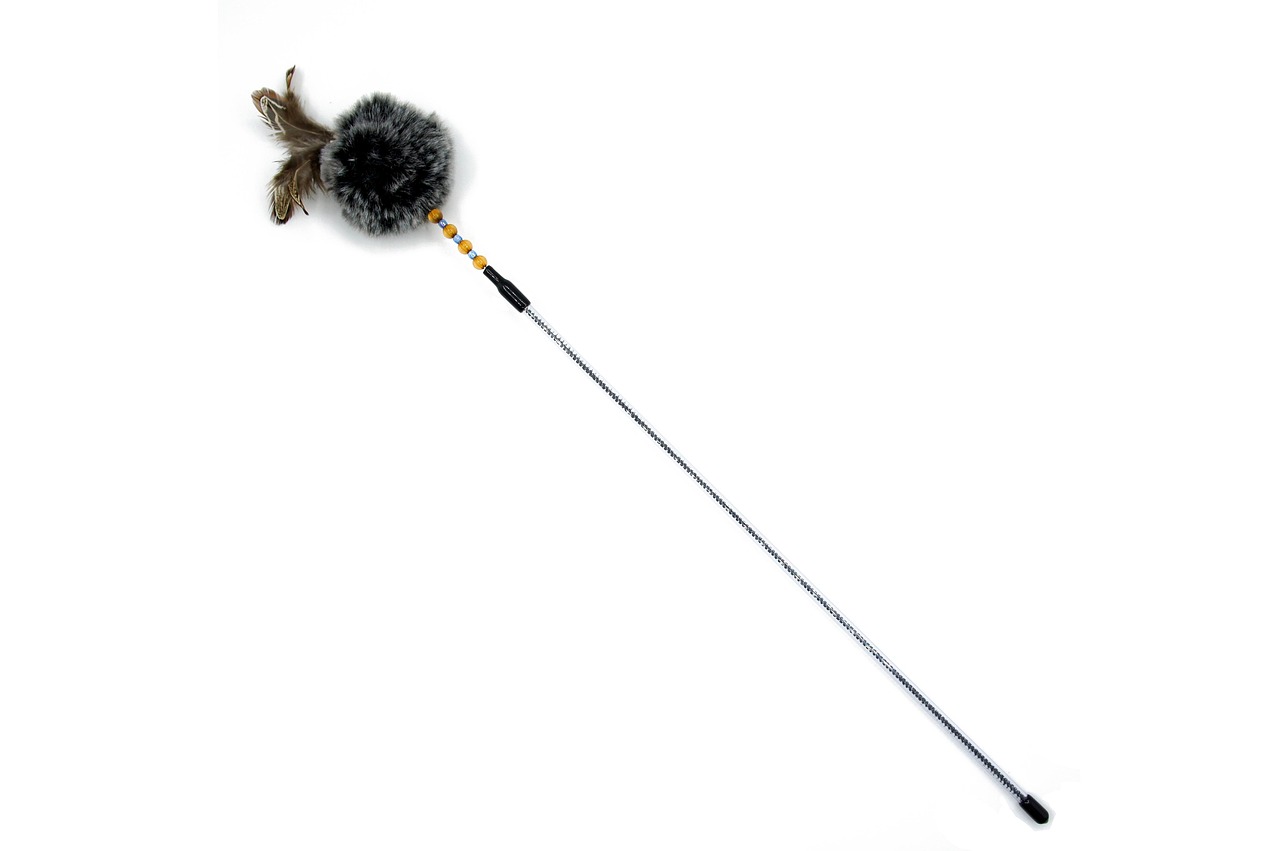

Choosing the Right Cat Toy Material for Aggressive Chewers
Finding the best cat toy for aggressive chewers can be challenging, especially when considering material durability. Many cats have strong jaws, and choosing the wrong material might lead to quick destruction of the toy. Hence, durability and safety play a crucial role in making this decision. Some common materials for cat toys include rubber, plastic, cloth, and natural fibers. Rubber toys are often much more resilient, designed to withstand biting and chewing over extended periods. When shopping, it’s essential to look for toys labeled as indestructible or those clearly made for aggressive chewers. Much softer materials, like cloth, may not hold up to vigorous play and may contain small parts that could pose choking hazards. Always opt for larger toys that are appropriate for your cat’s size and chewing strength, ensuring they are too big to swallow. Testing how your cat interacts with the toy can also reveal weaknesses. Look for materials that are non-toxic and pet-safe to avoid possible health risks. Choosing wisely ensures not only entertainment but the safety and longevity of their toys.
Many pet owners often wonder which materials will withstand their cat’s strong chewing habits. Typically, rubber and dense plastics prove most durable. These materials are designed for heavy use, providing options that can endure rigger. Some toys are engineered from materials specifically made to resist wear and tearing caused by aggressive play. Additionally, certain brands specialize in making tough toys with special reinforcement to withstand sharp teeth. When searching online or at your local pet store, check the specifications on labels closely to ensure quality. Avoid flimsy plastic that may shatter and create hazardous fragments. There are various designs available as well that incorporate combinations of materials for enhanced durability. For instance, some toys may combine rubber exteriors with soft cushioning inside. These designs allow for comfortable chewing while maintaining robust structural integrity. Moreover, selecting the right toy isn’t just about materials but also includes considering thickness and shape. Options that are too thin may easily fall victim to strong bites. In contrast, durable toys ensure extended playtime and safety for aggressive chewers.
Benefits of Choosing Durable Materials
Selecting cat toys made from durable materials has multiple benefits both for you and your pet. Firstly, durable toys last longer, making them a more cost-effective investment. Instead of constantly replacing toys that get destroyed within days, you can select a sturdy option that stands the test of time. Secondly, they often withstand more rigorous play sessions, providing endless entertainment for your kitty. These materials allow you to interact more, stimulating mental and physical health through safe play. Additionally, durable toys typically present fewer hazards, given that they resist shattering and breaking, which can create dangerous choking hazards. By promoting safe play, you’re also preventing potential health issues down the line. Furthermore, toys that are built with dense rubber or reinforced fabric can handle all the biting and chewing without fraying or breaking apart. It’s also worth noting that robust toys are easier to clean. Many can be washed, keeping your cat’s environment hygienic. This means your investment will not only entertain your feline friend but also allow for healthier play dynamics in your home.
When it comes to safety, always consult with your veterinarian about the best toys for your specific cat. Some features can enhance the safety of the toys, making them less likely to cause injuries or choking hazards. Check for materials that are certified safe for pets, non-toxic, and hypoallergenic. As you’re selecting cat toys, opt for materials that are resistant to moisture and can withstand being outside for playtime in various climates. Incorporating interactive elements, like crinkly textures or squeakers, can also support your cat’s essential engagement with their toys and prevent boredom. Furthermore, pay attention to the size of the toy. Toys that are too small might be easily swallowed or cause choking. Instead, larger toys that demand more chewing and clawing can address these challenges while providing entertaining stimulation. It’s also essential to be aware of the toy’s construction, ensuring that all parts are securely attached. No hanging threads or small detachable parts should be present since they can cause harm. Ensuring safety means your cats can enjoy their toys without any undue risks.
Test and Observe Your Cat’s Preferences
Every cat has distinct tastes, and observing your cat’s preferences is essential in choosing the best toys. Some cats may favor the texture of rubber, while others prefer a more crinkly material. By closely observing what they seem to enjoy, you can refine your search effectively. Offer a few different options made from varying materials to see which ones captivate their interest the most. Don’t hesitate to rotate toys to keep your cat engaged and excited about their playtime. It’s essential to be aware that aggressive chewers often need more stimulation, so the more interactive the toy, the better it will cater to their habits. Furthermore, regularly check on their toys to determine what works best based on their chewing habits. Look for signs hanging by a thread or any damages that may indicate a toy’s life is nearing its end. If you notice some factors that your cat enjoys, incorporate those traits into future purchases. As you build a collection of playful and durable toys, your cat’s play experience becomes even more enjoyable.
Moreover, diversifying the types of toys can also keep your aggressive chewer engaged. While they may love chewing rubber toys, mixing in balls or plush toys can create a well-rounded play experience. Plush toys may not be as durable, but they often serve as excellent interaction tools and comfort items. If your cat tends to disassemble plush toys, look for those made with durable seams and thick fabrics. Additionally, consider varying shapes and sizes as this will encourage exploration and playfulness in different manners. Chewing habits often vary based on mood, so having numerous options will ensure there’s always something to interest your cat. Provide the right balance of soft versus tough toys to create an ideal play area for your pet. Some cats may also prefer toys that mimic prey to indulge their hunting instincts. Inviting your pet into their natural behavior while ensuring safety will create an enriching experience during playtime. Long-lasting and stimulating toys promote healthier habits, reducing stress and anxiety levels significantly.
Conclusion: Make Informed Choices
In conclusion, when it comes to buying cat toys for aggressive chewers, informed choices matter most. Always prioritize durability, safety, and engagement. By considering various materials, you can find the right toys tailored to your pet’s needs. Avoiding non-durable materials such as easily destructible plastic ensures more enjoyable and safer play sessions. Regular playtime encourages physical and mental well-being, making choosing quality toys beneficial for both you and your feline companion. Additionally, don’t forget to combine durability with playfulness to keep your cat entertained over the long run. As you learn about your cat’s preferences while observing their interactions, you’ll become adept at selecting the best materials and designs. Come prepared with various options that cater to their chewing needs and encourage exploration. Investing in tough toys ensures longevity, preventing unnecessary waste of money. Collaborate closely with your vet to ensure optimal choices for your cat’s safety. Discover the joy of offering a healthy play environment, and your cat will surely appreciate and enjoy their selection of toys for years to come.
Finding the best cat toy for aggressive chewers can be challenging, especially when considering material durability. Many cats have strong jaws, and choosing the wrong material might lead to quick destruction of the toy. Hence, durability and safety play a crucial role in making this decision. Some common materials for cat toys include rubber, plastic, cloth, and natural fibers. Rubber toys are often much more resilient, designed to withstand biting and chewing over extended periods. When shopping, it’s essential to look for toys labeled as indestructible or those clearly made for aggressive chewers. Much softer materials, like cloth, may not hold up to vigorous play and may contain small parts that could pose choking hazards. Always opt for larger toys that are appropriate for your cat’s size and chewing strength, ensuring they are too big to swallow. Testing how your cat interacts with the toy can also reveal weaknesses. Look for materials that are non-toxic and pet-safe to avoid possible health risks. Choosing wisely ensures not only entertainment but the safety and longevity of their toys.