
Recognizing Signs Your Cat is Avoiding the Litter Box
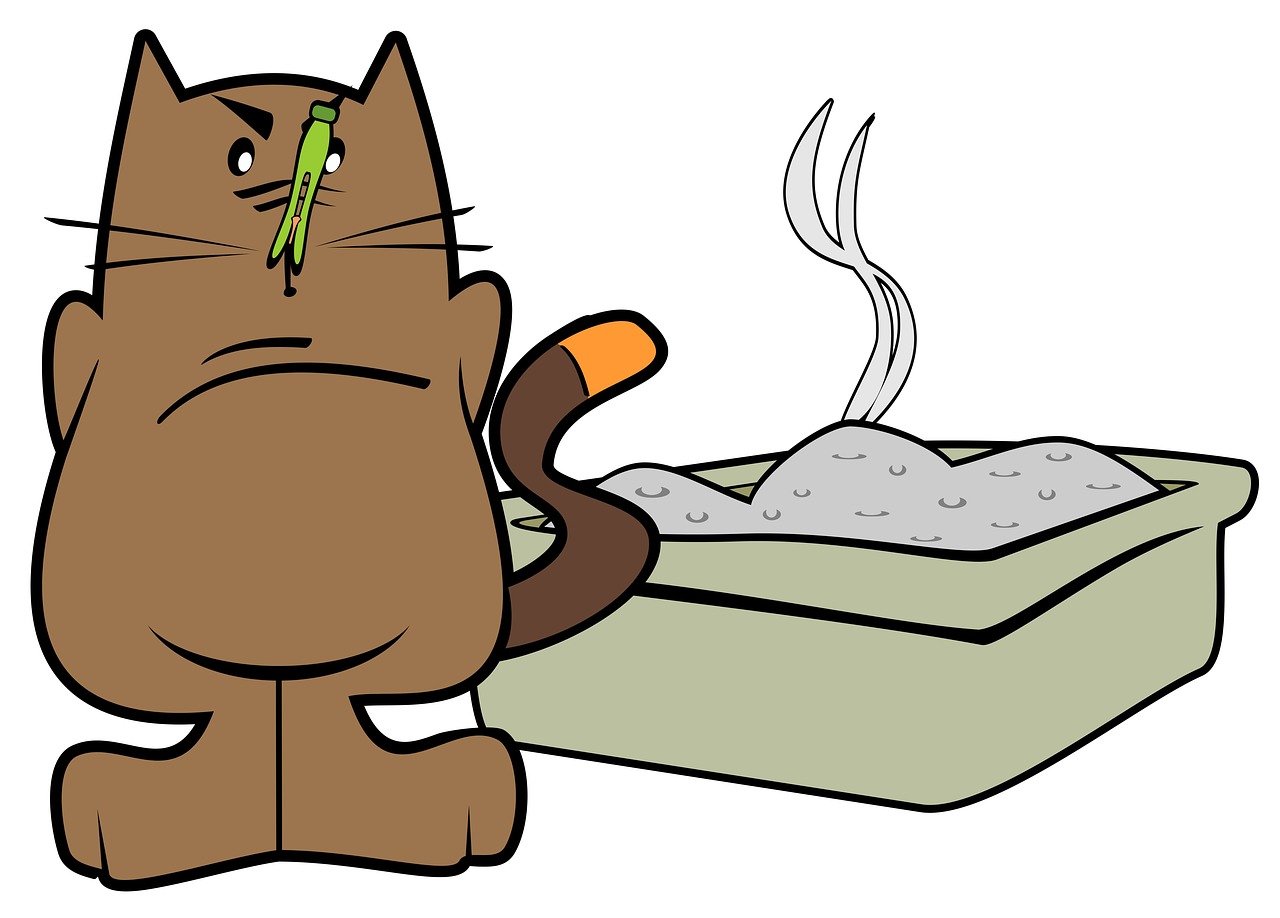
As a cat owner, noticing changes in your pet’s behavior is crucial for maintaining their health and happiness. One common issue owners face is litter box avoidance, which can indicate underlying problems. If you observe your cat frequently leaving the litter box shortly after using it, this might indicate discomfort or dissatisfaction with the box. Additionally, if your cat displays stress or anxiety when approaching the box, this could be a sign of a larger issue. Cats may also show avoidance by using other areas in your home instead of the designated box. It’s essential to note changes in your cat’s behavior, as these are indicators of their well-being. Regularly monitoring your pet’s habits will help you catch any problems early on. Ensuring a clean litter box and suitable location is critical. Consider expanding the litter box options if you have multiple cats. Sometimes, your cat simply needs a change to feel comfortable and secure. Addressing these signs promptly will lead to a happier, healthier environment for both you and your feline friend. Remember that understanding your cat is key to resolving any issues.
Another sign that your cat may be avoiding the litter box is frequent vocalization when approaching it. Cats are known for their distinctive vocal communication, and any increase in meowing or yowling might indicate their discomfort. If your cat suddenly stops using the box they previously favored, it might be time to investigate potential causes. Allergies to the litter material or its scent can also lead to avoidance, so consider changing the type of litter you use. Pay attention to the cleanliness of the box, too; a dirty litter box can deter even the most tolerant cats. Scrubbing the box regularly and ensuring that your cat has access to fresh litter can make all the difference in their willingness to use it. Furthermore, older cats might have mobility issues that can complicate their access to the litter box. Providing easy-to-reach options may help reduce accidents. Don’t forget that stress from environmental changes or new pets can impact their litter box behaviors. Observing your cat’s habits and reactions to changes will help identify the root of their avoidance. It’s crucial to stay attentive and responsive to your feline friend’s needs.
Health Indicators of Litter Box Avoidance
In some cases, litter box avoidance can be a sign of health issues. Watch for any changes in your cat’s urination habits. For instance, frequent attempts to urinate, straining to do so, or blood in their urine may indicate urinary tract infections. It is crucial to seek veterinary care immediately if you notice these signs, as untreated infections can lead to severe complications. Additionally, prolonged avoidance could suggest more serious problems like bladder stones or feline idiopathic cystitis. If your cat is consistently avoiding their litter box, consider scheduling a vet visit for a thorough examination. Health-related issues should always be at the top of your priority list when addressing litter box concerns. Symptoms such as excessive grooming around the genital region or a decreased appetite may also accompany litter box avoidance, requiring medical consultation. Staying vigilant is important for your cat’s overall welfare. Regular vet visits can help prevent issues from escalating and ensure your pet is healthy. Monitoring your cat closely will help in identifying the need for veterinary assistance early on, ensuring a peaceful resolution to their discomfort.
Another factor that can influence a cat’s litter box habits is the box’s location. Cats are sensitive to their environment, focusing on security and privacy during bathroom breaks. If the litter box is too close to noisy areas, such as the washing machine or the bustling kitchen, your cat may refuse to use it. Additionally, if the box is placed in hard-to-access areas, such as narrow spaces or places with stairs, your cat might avoid it entirely. Relocation of the litter box to a quieter, more accessible area can significantly improve your cat’s feelings toward using it. Experimenting with different locations may help you find a more suitable spot for their needs. Cats thrive on routine, and sudden changes in their litter box location might create anxiety. Introducing changes gradually can be beneficial. Noticing your cat’s behavior and taking the time to adjust their environment will provide a calmer atmosphere for them. Lastly, ensure you have enough litter boxes in your home, as having one box per cat is a common recommendation. This can reduce stress and encourage better litter box habits.
Possible Behavior Changes
If you’re witnessing behavioral changes in your cat, it’s essential to assess the situation thoroughly. Cats tend to express their discomfort or anxiety through changes in their daily routine or demeanor. For instance, several cats may begin hiding more often or exhibit signs of aggression if they feel threatened by their environment. Such symptoms might translate to avoiding the litter box altogether, due to their desire to stay away from stressors. Cats can also regress to earlier behaviors when dealing with stress, exhibiting signs of submissiveness or increased dependency on their owners. Assessing other environmental factors, like the introduction of new animals or family members, can help pinpoint the cause of their anxiety. Providing a safe space with cozy spots for your cat can ease their stress. Offering additional vertical spaces or hiding spots will help them feel more secure. Recognizing the relationship between stress and litter box habits can illuminate effective solutions for you and your feline. Address these problems promptly to avoid worsening your cat’s behavior and health. A stable environment can ultimately help guide them back to using their litter box.
Additionally, changes in diet can significantly impact your cat’s needs regarding litter box use. If you recently changed their food, it may affect their stool consistency, which alters how they feel about the litter texture. Cats can be picky about the litter material and may adjust their behaviors to align with their new dietary habits. If you find your cat avoiding the litter box post-diet change, consider revisiting their food choices. Sometimes, a simple switch back to their previous diet can help in reducing litter box avoidance. It’s also crucial to monitor your cat’s water intake. Dehydration can lead to urinary issues that may manifest as litter box avoidance. Ensure your cat always has access to fresh water to promote healthy hydration and digestion. Offering wet food can supplement their water needs if your cat isn’t drinking enough. Keep in mind that maintaining a consistent routine can help alleviate additional stress during dietary transitions. Pay attention to their overall health and ensure dietary changes are gradual to avoid upsetting their digestive system. These adjustments may also encourage a positive relationship with their litter box.
Creating a Positive Environment
Creating a positive bathroom experience for your cat involves not only keeping the litter box clean but also considering their preferences. Each cat has their own unique preferences regarding litter texture, box style, and even the scent of the litter. Gathering this information is essential for providing the right environment. You might need to experiment with different types of litter to discover which your cat prefers. Most cats like unscented litter, as strong odors can be off-putting. Opt for boxes with low sides for easy access, especially for older cats. The ideal litter box location and design will help foster a more appealing atmosphere. Additionally, be mindful of the size of the litter box; larger boxes may make your cat feel safer and more comfortable. Ensure you clean the litter box regularly and remove waste daily. You can also consider adding a sprinkle of catnip around the area, which may entice your feline to explore it positively. Providing multiple litter boxes and regular playtime can further enhance their overall well-being. A friendly and clean environment will encourage your cat to use their litter box with confidence.
Last but not least, it’s important to recognize that patience and understanding will play a crucial role in addressing litter box avoidance. Create a plan that includes monitoring your cat’s behavior and making necessary adjustments to their environment and routine. Tracking any changes, whether positive or negative, can help you identify triggers affecting your cat’s habits. Keep a journal to document findings, noting any changes in your cat’s attitude toward the box or variations in their bathroom behavior. Engaging your veterinarian for additional advice can provide insight and assist in troubleshooting persistent issues. One layer of understanding is recognizing that behavior changes might take time to reverse. However, by staying observant and attentive to your feline’s needs, success is achievable. Avoid punishment; it can create more stress and worsen the situation. Offer support and guidance instead. Your goal is to build trust and create a serene setting where your cat feels comfortable. This journey requires love and understanding, but it ensures that your home remains a harmonious place for you and your beloved cat. Working together will make your life together much brighter and healthier.