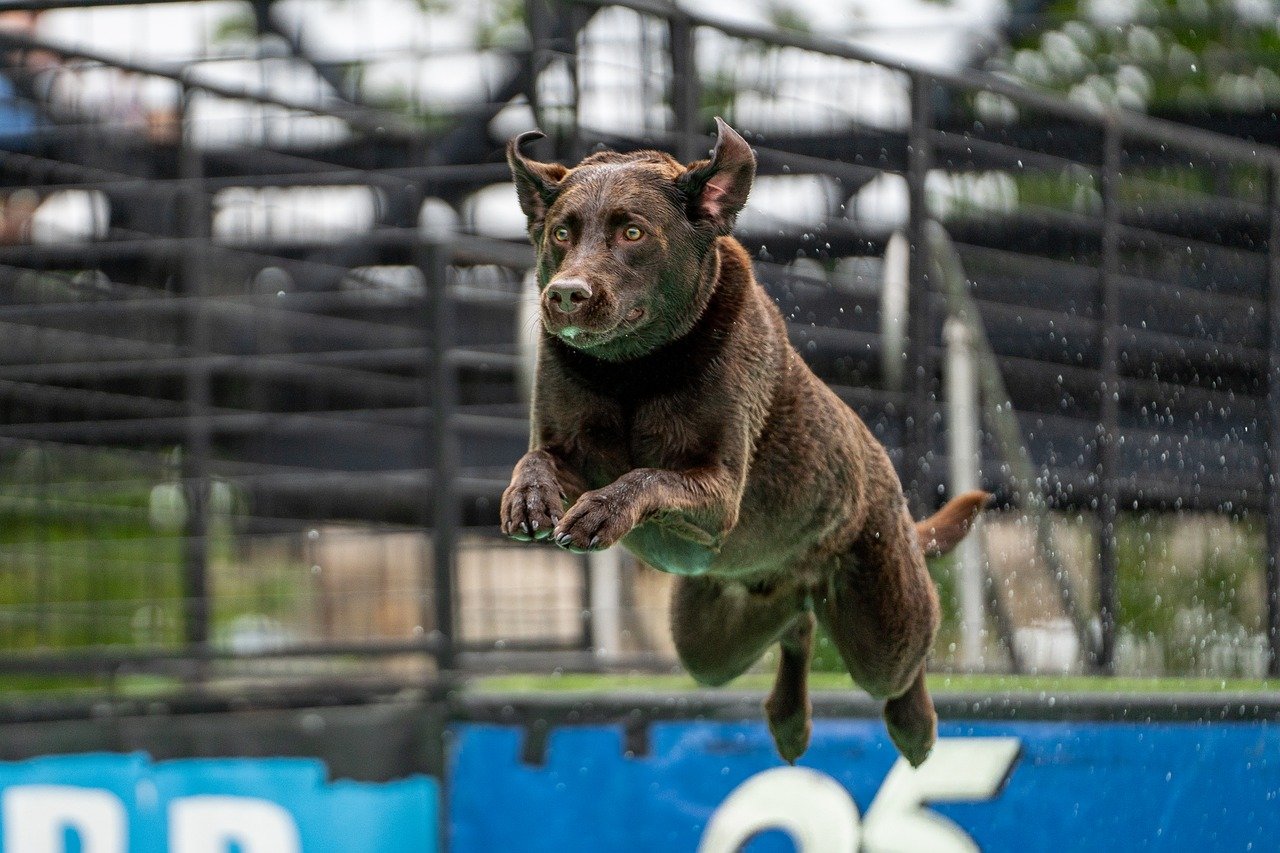

Training to Reduce Excitement-Induced Jumping in Dogs
Jumping is a common behavior exhibited by many dogs when they are excited, which can lead to unwanted consequences. This behavior occurs when dogs elicit physical responses to excitement, often causing discomfort to guests or owners. Reducing this behavior requires consistent training methods. Owners should begin by understanding that jumping is a natural response; thus, it’s crucial to address it calmly and systematically. One technique involves ignoring the dog when it jumps. By turning away and withholding attention at that moment, the dog learns that jumping will not yield the desired response. Patience is essential in this process, as dogs need time to adjust their behavior. Reinforcing good behavior can also help. Whenever the dog remains calm, be sure to reward them with treats or praise. This teaches the dog that remaining on the ground is more effective for receiving positive reinforcement. Practicing these methods regularly, especially with varied distractions, will produce effective results. Through these consistent strategies, owners can guide their dogs towards more appropriate greeting behaviors. It will ultimately create a calmer environment for both the dog and the guests.
Understanding Jumping Behavior
To effectively manage jumping behavior, it is vital to understand why dogs jump in the first place. Typically, dogs jump when they are excited to greet their owners or strangers. This behavior is often instinctive, driven by their desire for social interaction and attention. Understanding the roots of jumping behavior lays the foundation for effective modification strategies. Dogs express enthusiasm through movement, and jumping is one of their primary methods. This instinct can be problematic if left unchecked, as it may threaten guests’ comfort or lead to accidents. Potentially harmful consequences include scratches or injuries resulting from overzealous jumping. Dogs may also misinterpret jumping as an acceptable greeting method, which perpetuates the behavior. Training to reduce jumping involves corrective actions, and consistency is key. Training sessions should consistently involve positive reinforcement, allowing the dog to associate remaining calm with rewards. Redirecting the dog’s focus during excitement, such as maintaining a command to sit, can significantly contribute to minimizing jumping. Furthermore, understanding each dog’s triggers—such as doorbell sounds—enables tailored training sessions for more effectiveness as you work towards calmer greetings.
Adding structure to your dog’s routine can decrease excitement-based jumping. Dogs thrive within a predictable environment, as it provides a sense of security. Implementing regular feeding, play, and training routines helps reduce excitement levels overall. Additionally, ensuring the dog gets adequate physical exercise prior to social gatherings will help calm them down. When dogs are tired, they are less likely to jump out of excitement. Exercise could include walks, fetch, or even engaging tug-of-war games before company arrives. Furthermore, controlling the environment also plays a substantial role. Before guests arrive, consider establishing a quiet space for your dog. During the training period, this can be a designated area where the dog can remain calm. When incorporated consistently, this strategy effectively reduces jumping during moments of excitement. Incorporating distraction techniques during guest arrivals may also diminish the urge to jump. Teaching the dog commands like ‘go to your spot’ or ‘stay’ allows owners to manage their furry friend’s behavior. Being proactive not only minimizes unexpected jumping but also fosters a more positive atmosphere for both the dog and the visitors.
Practicing Calm Greetings
Implementing calm greeting practices is essential in training dogs to reduce jumping. Training the dog to sit before greeting guests facilitates more orderly interactions. Owners should practice this technique regularly with friends and family who can assist in training. Asking guests to ignore jumping behavior is key; they should only engage with the dog once it is calm and sitting. This helps the dog understand that calm behavior leads to desired attention and rewards. Additionally, practicing controlled introductions in a quiet setting can aid in reinforcing positive behavior. During these sessions, utilize treats to reward sitting behavior upon guest arrival. Over time, the dog will learn to associate sitting with receiving greetings, fostering a calmer demeanor. Gradually increase distractions during training while ensuring the dog maintains the sit command. Repeated practice will enable the dog to reinforce this new habit. It’s vital that both owners and guests are consistent in applying these techniques. By embedding this practice into their routines, dogs will learn the importance of waiting quietly rather than jumping. Most importantly, work towards fostering a serene atmosphere for both dogs and guests alike.
Consistent reinforcement is vital when aiming to curb excitement-induced jumping in dogs. Positive reinforcement allows dogs to make connections between calm behavior and receiving praise or treats. Ensure that each time the dog stays calm during guest arrivals, it’s rewarded appropriately. This consistent method influences their decision-making processes over time. Utilize treats, petting, or verbal affirmations as rewards to encourage desired behavior. Furthermore, practice patience; behavior modification will not occur overnight. It takes time for dogs to break ingrained habits, and vigilance on the owner’s part is crucial. Avoid scolding the dog, as punishment may lead to confusion and anxiety, making the behavior worse. Instead, focus on guiding your dog towards appropriate greeting behavior. Engaging them in calmer pre-greeting obedience routines will help establish a positive atmosphere. Owners must remain composed, too; as dogs mirror their guardians’ emotions, having a calm demeanor encourages the same response from the animal. Regular training sessions incorporating commands like ‘sit’ or ‘stay’ infuse structure. This structure allows dogs to understand expectations more explicitly. Consistently reinforcing these principles will ultimately cultivate better behavior during exciting moments.
Utilizing Professional Help
However, in some cases, seeking professional dog training services may be beneficial when addressing jumping behaviors. Professional trainers specialize in understanding dog behavior and may have additional insights into specific issues. These trainers can tailor strategies suitable for individual dogs and their respective environments. By working with a professional, owners can benefit from observing effective techniques in real-time. Trainers often demonstrate how to correct the jumping behavior, providing valuable hands-on advice. Attendance at group classes can also help in training the dog by allowing exposure to other animals and situations in a structured setting. Understanding how well socialization plays into behavior modification is crucial. Socialization helps dogs learn how to appropriately interact with other dogs, which diminishes excitement-driven jumping when encountering new people. Furthermore, professional trainers can introduce a variety of exercises designed to reduce impulse behaviors. Their experience allows them to create comprehensive training regimens that combine obedience commands with excitement-reducing techniques. Investing in professional advice creates a lasting impact on overcoming jumping behaviors while promoting conscious interactions between dogs and their owners.
In conclusion, addressing excitement-induced jumping behavior requires a multifaceted approach emphasizing training, patience, and consistency. A deeper understanding of your dog’s motivations offers critical insights into how best to train them. Knowing when to provide rewards and when to redirect behavior are pivotal aspects of the training process. Introducing structured schedules and practicing calm greetings also prove effective in reducing jumping tendencies over time. Additionally, reinforcing positive behavior as soon as your dog exhibits calmness during greetings cements new habits. Remember to be patient, as changing behavior takes time, and results may not be immediately apparent. Regular practice and consistency on your part help to establish clear expectations. Seeking assistance from professionals, when necessary, introduces tailored solutions to unique issues. Committing to this training paradigm promotes better behavior while enhancing the bond between owner and dog. Cultivating a calmer interaction during greetings enhances the overall experience for both the dog and any visiting guests. Making these adjustments will ultimately lead to a more enjoyable atmosphere where everyone—including the furry member of the family—can thrive.