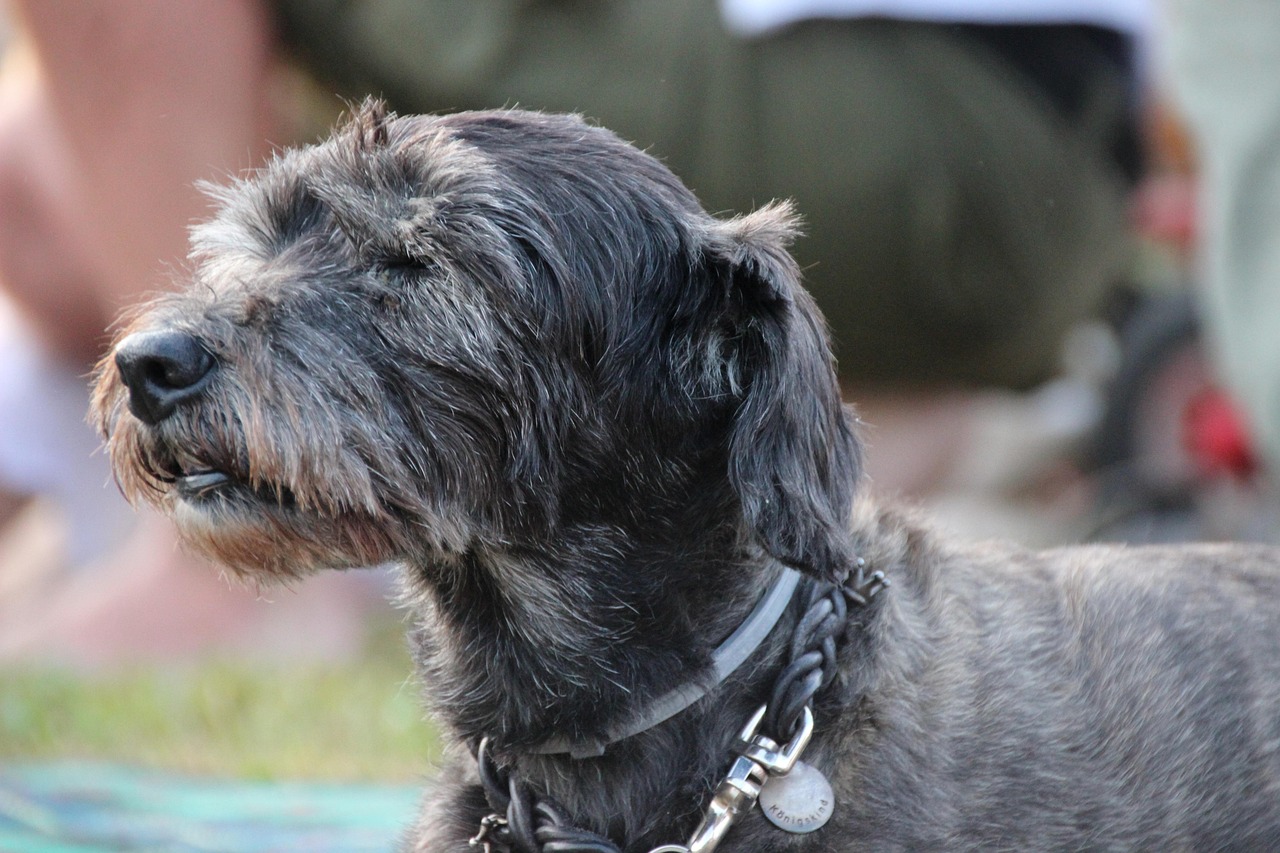

Traveling with Senior Dogs: Special Care Tips
Traveling with senior dogs requires special consideration to ensure their comfort and safety. Make sure to consult your veterinarian before embarking on any journey, especially if your dog has pre-existing health conditions. It’s imperative to prepare for potential challenges, such as mobility issues or medication schedules. Keep necessary supplies handy, including medications, portable bowls, and some of their favorite toys. Enabling a stress-free experience often lies in the details, such as providing familiar items. Always create a comfortable environment within your vehicle or while on a plane. Remember, senior dogs may need extra breaks during long trips for bathroom visits or short walks. Hydration is equally crucial; bring ample water to keep your dog refreshed, especially during warmer seasons. Monitor their behavior closely to spot any signs of discomfort or anxiety. If you’re planning on staying at accommodations, ensure they are dog-friendly and have facilities that cater to your dog’s needs. Following these practical tips can make traveling with your senior dog an enjoyable experience for both of you, because their happiness and health are paramount during your adventures together.
During your travels, prioritize your senior dog’s physical and emotional well-being by adjusting your plans based on their specific abilities. For instance, avoid intense physical activities like long hikes, especially if your dog is less agile. Instead, opt for shorter, leisurely strolls in pet-friendly parks or quieter areas. Keeping travel days shorter and scheduling frequent breaks can greatly reduce stress levels for your furry companion. Don’t forget to keep your dog’s comfort in mind when choosing accommodations. Look for places that not only accept pets, but also provide amenities such as dog beds and space for movement. Before sleeping arrangements, consider your dog’s habits to ensure a restful night. It may also be beneficial to bring along their favorite blanket or bed to enhance their comfort in unfamiliar environments. During leisure time while traveling, provide opportunities for your dog to relax by minimizing exposure to loud noises and crowded areas. This will help prevent stress, which is significant for senior dogs who may be more sensitive than younger ones. By practicing these thoughtful approaches, you can create a pleasant and relaxing travel experience that enriches the bond you share with your beloved senior dog.
Health Considerations
When traveling with senior dogs, staying mindful of their health is non-negotiable. Ensure that your dog is up-to-date on vaccinations, as travel introduces various environments. Carry their medical records and vaccination documentation to minimize setbacks if medical attention is needed. Additionally, consider using a medical alert tag that indicates any health conditions, facilitating quicker assistance if necessary. Keep a close watch on your senior dog’s food intake during your travels; their diets should remain consistent to avoid digestive troubles. Packing pre-measured meals can provide peace of mind and ease any concerns about their nutritional needs. Be aware of signs of fatigue or discomfort that can indicate your dog is overexerted. Older dogs may require more frequent potty breaks, so plan your stops accordingly. Maintaining your senior dog’s usual routine can help mitigate anxiety. Also, ensuring that the temperature inside vehicles doesn’t fluctuate excessively is important — both extreme heat and cold can distress your senior companion. By taking these health considerations into account, you greatly enhance your dog’s travel experience, allowing for more enjoyable adventures together without unnecessary complications.
Having the right gear can make all the difference when traveling with senior dogs. Products like supportive harnesses will assist in their mobility, especially for dogs experiencing joint stiffness or weakness. Collapsible water bowls and travel-friendly dog food containers also prove essential for mealtime on the go, maintaining your pet’s routine and hydration. Don’t forget to bring a leash that is comfortable to handle and secure to keep your dog by your side. If your travels involve air travel, invest in a well-ventilated and sturdy pet carrier specifically designed for comfort and ease of movement. Ensure it is large enough for your dog to stand and turn around comfortably. Moreover, familiarizing your senior dog with the carrier prior to the trip can alleviate anxiety. Always carry some first-aid essentials tailored for dogs, including adhesive bandages, antiseptic wipes, and flea treatments. Equipping yourself with proper gear ensures a safer and smoother journey for your furry friend, reducing any potential stressors they may encounter along the way. Preparing effectively can elevate your traveling experience, allowing you both to create unforgettable memories without unnecessary worries.
Comfort and Safety
Ensuring comfort and safety for your senior dog during travel is paramount for a successful outing. One of the simplest yet most effective ways to enhance their comfort is by allowing them to stretch their legs often. Aim for regular breaks every couple of hours to allow your dog to move around and relieve themselves. During these breaks, offer them water and let them enjoy the environment at a safe pace. When you arrive at your destination, make their surroundings comfortable. Set up a cozy sleeping area that is quiet and inviting for your dog, ensuring they can rest comfortably after a long journey. Older dogs are prone to anxiety; bringing familiar items like your dog’s favorite toys or blankets can significantly ease their nerves. Be cautious of the climate as well; hot or cold conditions can affect your dog’s well-being. Always monitor temperature levels and be ready with weather-appropriate gear such as cooling jackets or warm sweaters. Prioritizing comfort and safety helps in fostering a positive and enjoyable travel experience for your senior dog and reduces any undue stress that may arise during your adventures.
Incorporating health checks into your travel routine becomes crucial as your dog ages. Use travel time as an opportunity to observe your dog’s behavior and mobility, noting any changes that signal discomfort or fatigue. Few things are as important as recognizing these signs early; they’ll allow you to respond quickly if your dog requires veterinary attention. Participating in regular, gentle exercise, like walking or light fetch, will help maintain your dog’s joint mobility and health while still being enjoyable. Finding pet-friendly trails or parks is a great way to keep active together without putting too much strain on them. Furthermore, employing calming techniques like soft music or aromatherapy can help relieve any travel anxiety. Explore options for natural supplements that promote calmness — they can help create a serene atmosphere wherever your adventures may take you. As every dog has their unique personality, customizing these strategies to fit your senior dog’s needs can enhance their travel experience significantly. Being proactive about health checks not only protects your furry friend but also strengthens the companionship bond you share during your travels together.
Conclusion: Enjoying Travels with Senior Dogs
Traveling with senior dogs may require additional planning and consideration, but it can ultimately lead to wonderful memories. By focusing on comfort, safety, health, and emotional well-being, you can create an enjoyable experience for both you and your beloved pet. Make sure to embrace flexibility throughout your journey; slow-paced activities and giving your dog more time to adjust will yield positive results. Listen carefully to their needs and remember that quality time spent together is what matters most. Utilizing these tips helps you navigate the challenges associated with traveling with older dogs while ensuring holistic care. Senior dogs may require extra adaptations, but their companionship adds significant joy and enrichment to your adventures. Show them love and patience, recognizing that these shared experiences greatly benefit both of you. Traveling together can strengthen your bond and create lasting memories. Focus on mutual enjoyment, and embrace the joy of discovering new places with your senior companion by your side. Ultimately, the journey can be as rewarding as the destination when shared with your loyal furry friend, ensuring that their middle and golden years remain filled with happiness.
With the right preparation, traveling with senior dogs can become an enriching experience. By remaining attentive to your pet’s specific needs and adjusting your plans accordingly, you can both enjoy the beauty of your travels together. Whether it’s a weekend getaway or an extended vacation, approaching travel with a thoughtful mindset ensures a pleasant experience for your senior dog. It’s essential to create an atmosphere where your pet feels secure and comfortable, reducing stress. Remember, senior dogs may have different vulnerabilities and requirements than younger canines; understanding these differences is key to successful outings. Consider how you can adapt your travel style to accommodate your aging furry friend. You’ll foster a sense of adventure and joy whenever you embark on a journey together. The love and trust that you share with your senior dog can enhance your travel experiences, forging unforgettable memories along the way. Always cherish the moments you spend together, as they will strengthen your bond and contribute to your pet’s well-being. With dedication and thoughtful planning, your travels can become a treasured time not only for you but also for your cherished companion.