
The Best Training Tools for Basic Commands
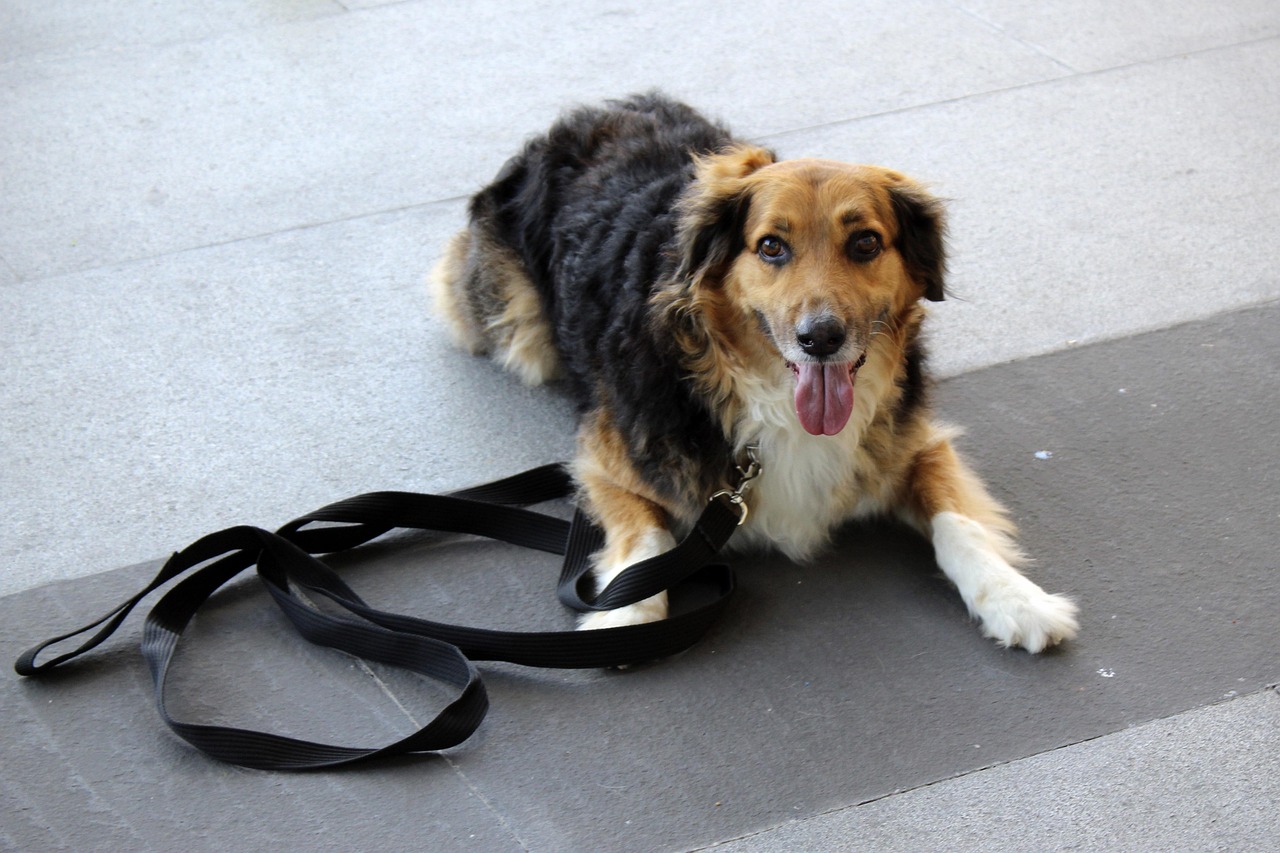
When beginning your dog’s training, the right tools can make a difference. Choosing training tools that are suitable for basic commands is quite essential. Leashes and collars are your primary tools. They come in various types, including martingale collars, standard collars, and harnesses. A leash should be comfortable and easy to grip. They usually come in lengths ranging from 4 to 6 feet, which is ideal for maintaining control over your dog. Additionally, clickers are fantastic tools for positive reinforcement training. They allow you to communicate effectively with your pet when they do something right. The sound of the click provides instant feedback, which is highly valuable in the learning process. Treats serve as great motivation for your dog. Remember to use small, soft, and smelly treats to keep their attention focused. Having a training pouch to carry treats can also be remarkably convenient. These pouches attach to your waist, making it easy to reward your dog instantly. Finally, consider investing in a training book that covers basic commands thoroughly. This resource can provide valuable information for new and experienced trainers alike.
Leashes and Harnesses
The choice of a leash or harness is critical to effective dog training. A durable, strong leash enhances your control during training sessions. It’s essential for basic commands such as ‘sit,’ ‘stay,’ and ‘come.’ For puppies, a lightweight leash is advisable, while larger dogs require sturdier options. Harnesses are beneficial as they distribute pressure evenly across the dog’s body. Some dogs pull aggressively, and a well-fitted harness reduces strain on their neck and improves comfort. When selecting a harness, opt for a design that fits snugly but isn’t overly tight. Additionally, incorporating a training collar can aid in enhancing communication. These collars can improve correction methods and are sometimes better than traditional collars for strong-willed dogs. Ensure that the collar is appropriate for your dog’s breed and size to avoid discomfort. E-collars are also available for advanced training, as they can help in distance training protocols. Remember to use all tools positively; avoid punishment and focus on rewarding good behavior. Providing consistent commands and guidance will lead to a successful training experience.
Moreover, the use of training clickers can significantly enhance your dog’s learning process. Clicker training is based on positive reinforcement, where the click sound indicates to the dog that they did something right. This method helps reinforce commands and behaviors more effectively, as dogs often respond better to immediate feedback. Having a clicker that fits comfortably in your hand ensures that you can use it easily during training sessions. When using a clicker, it’s important to click at the exact moment the dog performs the desired behavior. This process builds a clear association between the action and the reward. Therefore, having a selection of high-value treats on hand can motivate your dog to learn more. Keep in mind that dogs learn at different paces, and patience is key. Practicing commands like ‘heel’ or ‘sit’ with a clicker while rewarding good responses can yield impressive results. Furthermore, consistency in training sessions can be a game changer in your dog’s understanding of commands. Whether it’s a long training session or just a few minutes each day, maintaining focus is important for success.
Treats and Rewards
The effectiveness of basic commands is often amplified through treats and rewards. Dogs are naturally inclined to repeat behaviors that result in positive outcomes. Therefore, selecting the right treats can help immensely during training. Soft treats are usually the most effective option, as they can be eaten quickly, allowing for immediate reinforcement. Always choose treats that are small to avoid overfeeding and ensure you have manageable portions during training sessions. Consider options like small bits of cooked chicken, cheese, or specialized dog training treats. Variety in treats can also make training sessions engaging and exciting for your dog. Make sure to reward your dog immediately after they perform the desired command to reinforce the behavior effectively. Over time, you can start to phase out treats for verbal praise, maintaining motivation through encouragement alone. When your dog consistently performs commands without a bribe, it’s a clear sign of effective learning. It’s essential to understand that rewards don’t need to be elaborate; your genuine praise can mean just as much to a dog as any treat. Fostering a trust-based relationship will improve their willingness to learn as well.
Addressing distractions in training is critical to developing a well-behaved dog. Young dogs, especially, may struggle with focus when faced with distractions in their environment. Minimizing these distractions during initial training sessions helps solidify commands. Use a quiet area free from disturbances to conduct your training, allowing your dog to concentrate solely on learning. Gradually introduce distractions and teach your dog to maintain focus despite them. Employing consistent rewards during this phase helps reinforce the learning process. Begin with basic commands in a controlled setting, adding elements like other dogs or people as your dog grows more confident. The gradual introduction to distractions prevents overwhelming your dog. Consistency in your tone while giving commands can also assist in maintaining their focus. Practicing commands multiple times in varied environments can help your dog generalize what they have learned. Remember to always keep training sessions upbeat and positive; patience goes a long way. Ultimately, success in basic commands will enhance your dog’s behavior, making everyday interactions much more enjoyable for both of you.
Training Books and Resources
Investing in a good training book can be an invaluable resource for dog owners. Many books provide detailed insights and techniques necessary for mastering basic commands effectively. When selecting a book, consider your dog’s breed, age, and any specific behavioral issues. Titles focused on positive reinforcement will reinforce your approach and build a strong bond with your dog. Many authors offer step-by-step guidance, making learning straightforward for new dog trainers. Some reputable authors provide a perspective that combines practical advice with engaging stories, enhancing the reading experience while learning. Online resources such as training videos and webinars can supplement traditional books, offering a multimedia approach to understanding commands. Explore forums and communities dedicated to dog training; interaction with other trainers can provide unique tips and solutions. Additionally, reputable websites can offer downloadable guides covering various training methods and tips for specific commands. It’s essential to promote continuous learning; dog training is an ongoing process. Moreover, these resources can help navigate challenges you may encounter along the way, ensuring that both you and your furry friend succeed in mastering basic commands.
In conclusion, mastering basic commands requires suitable tools, practice, and patience. Equipped with the right leashes, collars, clickers, treats, and reliable resources, you can significantly enhance your training sessions. Consistency remains a key factor in ensuring your dog retains each command learned. Always remember that training should be a positive experience for both the trainer and the dog. Building trust and communication with your dog will ultimately yield the best results. Regular practice in a distraction-free environment ensures your dog learns commands efficiently. Over time, you can gradually introduce more challenges to reinforce those learned behaviors. The relationship you build with your dog through training can foster a deeper bond and improve their overall social behavior. Celebrate small victories; they pave the way for greater accomplishments in your dog’s learning journey. Lastly, acknowledge each step of progress made; training is a continued pathway that evolves as your dog matures. Embrace this journey with enthusiasm, and you’ll find joy in seeing your dog flourish as a well-trained companion.
To sum up, the journey of training your dog in basic commands can be rewarding and fun. While tools like leashes, harnesses, and positive reinforcement strategies are crucial, your dedication and approach matter most. Strive for consistency, communication, and encouragement in every interaction. Successful training sessions not only develop your dog’s obedience but also create a lasting bond based on trust. So remember to enjoy the process, keeping it interactive and engaging for both you and your dog. Celebrate progress, no matter how small, as just that can motivate both trainer and pup. Incorporating classes or professional assistance can also provide beneficial insights, especially if challenges arise. Ultimately, with invested efforts and the right resources, you’ll discover that learning commands is just the tip of the iceberg! You and your furry friend can embark on exciting adventures together with trust and mutual respect established through training. Keep this journey light-hearted; your dog will pick up on your energy and enthusiasm, contributing to a positive training environment. May your training journey be filled with success and happy moments with your beloved dog!