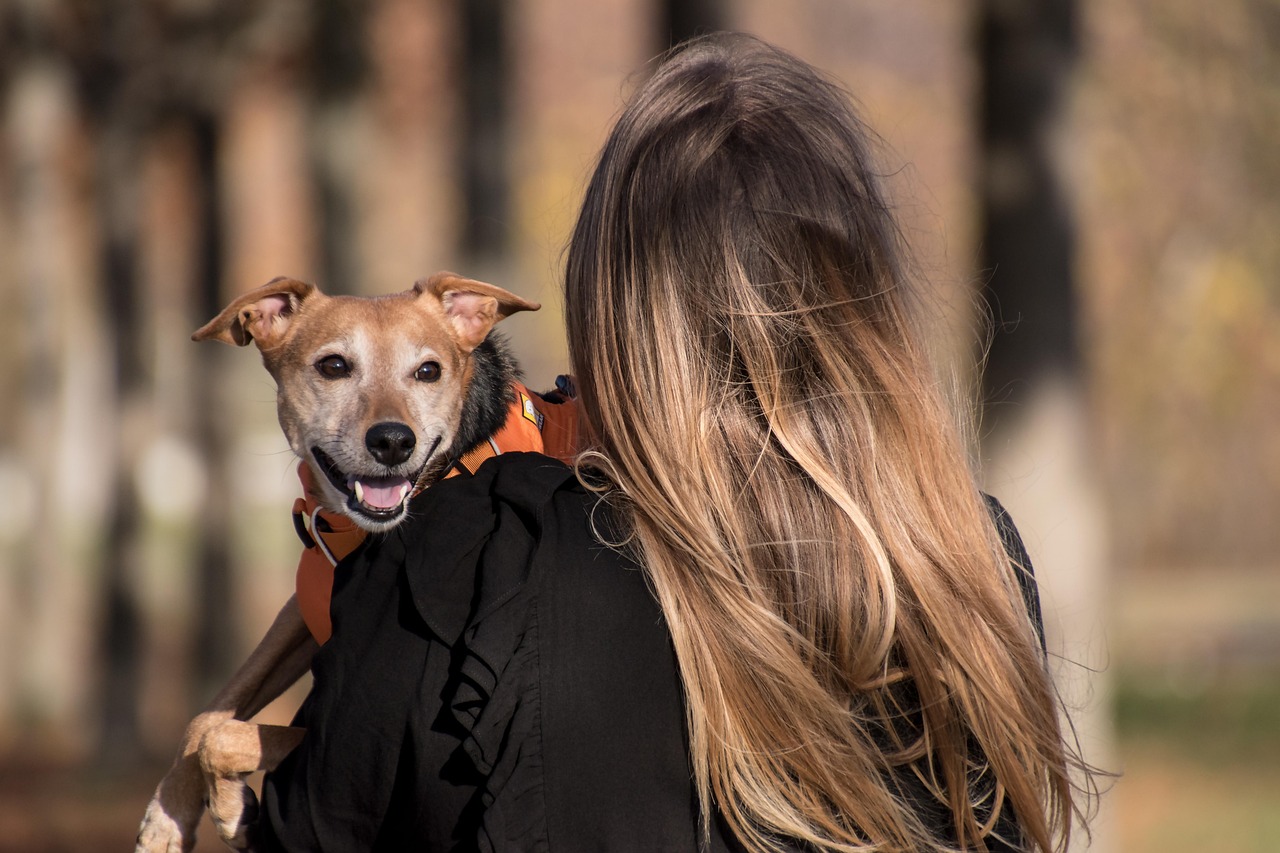

The Ultimate Guide to Harnesses for Training Dogs
Training your dog effectively can be made significantly easier and safer through the right tools. Harnesses are a highly recommended option for dog owners focusing on obedience and behavior modifications. A well-fitted harness can distribute pressure evenly across a dog’s body, making leash training far less strenuous for both pet and owner. Opposed to traditional collars, harnesses promote more controlled movement, reducing the risk of injury to a dog’s neck. Various types of harnesses offer different possibilities depending on your dog’s behavior and specific training needs. From front-clip to back-clip, these options provide varying levels of support and control. A front-clip harness helps reduce pulling by redirecting the dog’s movement, while back-clip harnesses are better for dogs who have mastered leash manners. Choosing the right harness is integral, as improper fitting can lead to discomfort and ineffective training. Furthermore, exploring adjustable straps and styles can help you find the perfect model tailored to your dog’s unique physique. Understanding these aspects can significantly change how effectively you train your dog and strengthen your bond.
Identifying the Right Harness for Your Dog
Finding the ideal harness involves understanding your dog’s size, breed, and specific behavioral traits. It’s crucial to measure your dog’s girth accurately to ensure a snug yet comfortable fit. Harnesses come in various sizes, with each manufacturer having its unique sizing guidelines. Take the time to test different types of harnesses on your dog to see which style suits them best. Some dogs prefer the feel and security of a padded harness, which minimizes chafing during walks and training sessions. Additionally, consider if your dog is a puller; for such cases, front-clip options can efficiently address this issue. Many harnesses also possess reflective features, enhancing visibility during evening walks or low-light conditions. Furthermore, materials play a significant role in durability and comfort. Nylon and polyester are common choices, but lightweight designs can offer added convenience for both you and your dog. Test the harness for adjustability, ensuring it maintains a secure fit as your dog moves. Never compromise on comfort and safety, as a well-chosen harness will positively impact your dog’s training and daily activities.
Utilizing a harness effectively requires understanding the proper techniques for attachment and removal. When putting a harness on, ensure that all straps are aligned correctly before securing any clips. Most dogs appreciate the treat incentive while trying on their new harness, making it a fun experience rather than a chore. Once the harness is properly fitted, take the time to let your dog explore its new gear outdoors. Initially, some dogs may resist or feel unsure wearing a harness; patience and encouragement can help cultivate acceptance. Begin by introducing short training sessions, gradually increasing intensity and duration. After your dog becomes accustomed to the harness, start integrating various commands. For instance, combining leash training with your dog’s learning behaviors can be beneficial. Remember to reward positive behaviors generously, reinforcing that restraint does not mean restriction. Consistency is key during this phase. Allow for enough time and space and create enjoyable experiences that strengthen your relationship. The more positive associations a dog has with its harness, the more cooperative it will become during training exercises.
Regularly Reviewing Harness Fit and Function
Just as you would occasionally check a child’s clothing fit, it’s essential to review your dog’s harness regularly. Animals grow, and their body proportions can change due to factors like weight fluctuations or muscle gain. Frequent assessments ensure that the harness remains comfortably supportive rather than restrictive. If discomfort becomes apparent through behaviors such as scratching or wiggling excessively, it may signal issues with fit. Additionally, check for wear and tear over time, including fraying straps or loose clips. Safety should always be paramount, so replacing a worn-out harness will keep your training sessions effective and safe. Furthermore, adjusting for seasonal changes possibly affects clothing layers for your dog. For example, additional winter padding around the abdomen may necessitate a harness reassessment for proper fit. Obviously, routine calibration helps maintain your dog’s confidence in the harness as part of their gear. Compliment regular checks with new leash practices or obedience training refreshers for your dog. This comprehensive approach ensures continual improvement in both harness fit and your dog’s learning process.
One highly engaging method to enhance training is combining harness use with positive reinforcement techniques. Leveraging treats, praise, and play can make training sessions enjoyable while effectively teaching your dog. Timing your rewards is critical; ideally, you should reward your dog immediately following a desired behavior, reinforcing the actions that you want to promote. Designing training activities around the dog harness can help develop behavioral associations supporting training objectives. Integrating play breaks with outdoor time provides both mental stimulation and physical exercise. Moreover, consistency is necessary when teaching commands; using the same language or cues during practices reinforces learning. You might also want to join local training classes, which can provide professional guidance and resources that compliment your training methods. During these group sessions, you can observe other training techniques and gain insights from fellow dog owners. Make the most educational experiences by actively engaging in discussions and sharing advice. Ultimately, involving socialization aspects in your training routine will positively enrich your dog’s experience with harnesses, transforming ordinary walks into beneficial bonding opportunities.
Conclusion: Benefits Beyond Training
The usage of harnesses extends beyond merely correcting pulling behavior; they also improve not only training outcomes but overall quality of life for dogs. Beyond safety, a thought-out harness can facilitate enjoyable daily experiences, emphasizing not simply control but ease in movement. For many dogs, particularly those with respiratory issues or certain breeds predisposed to neck strain, a harness can ensure their physical well-being. Their use encourages enjoyable outdoor adventures while providing dog owners with peace of mind regarding their pets’ safety. Moreover, utilizing a harness can foster positive experiences, promoting the bond between dog and owner. The connection crafted through training sessions becomes something to cherish, as both parties grow together in understanding. Learning to integrate the harness into daily life ensures lifelong benefits for your dog. A consistent approach to harness use can enhance adaptability in various environments, whether urban strolls or natural explorations. Dog owners should remain proactive in their training efforts, continuously refining techniques as their dog thrives and develops. Securely attaching a harness ultimately reflects an owner’s commitment to nurturing their dog’s well-being and happiness.
The knowledge and strategies shared in this guide are designed to ensure that dog owners are empowered in their training practices. As you utilize harnesses, stay mindful that proactive approaches will continually bolster your training efforts. Incorporate regular assessments to maintain a solid fit and function throughout your dog’s lifetime. Remember to keep the training process engaging, rewarding, and positive, further establishing trust with your canine companion. Embrace the journey and celebrate small victories along the way, fostering confidence in both yourself and your dog. Enrich your shared experiences and explore various training methods to diversify sessions, keeping them captivating. Overall, being knowledgeable about harnesses facilitates understanding the significance of proper training gear. Possessing the right harness brings peace of mind during excursions with your beloved pet, highlighting your dedication to their comfort and growth. This makes the entire dog parenting experience more fulfilling and rewarding. Continue to evolve alongside your dog; prioritize exploration and enjoyment while emphasizing training. By doing so, you ensure a healthier, more harmonious relationship with your dog that thrives for years.