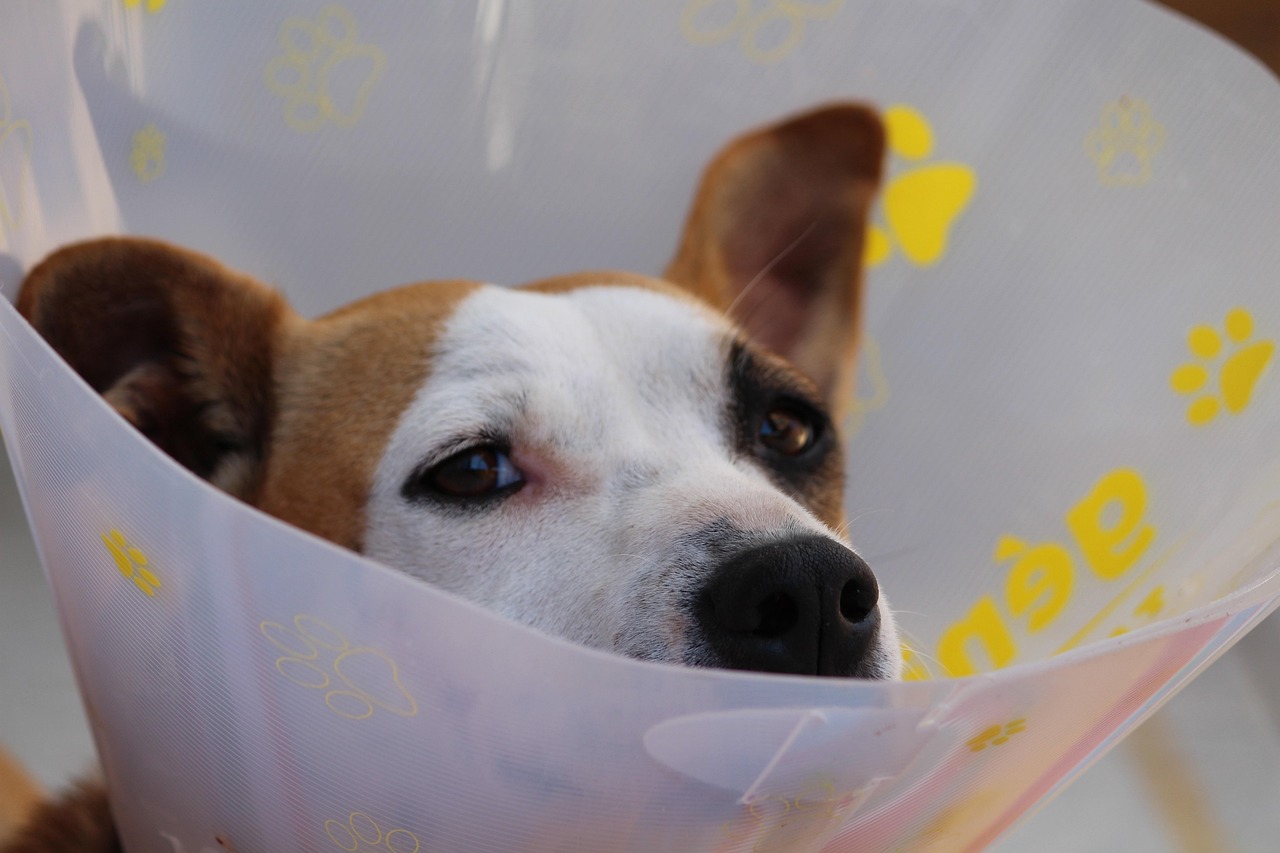

Guided Relaxation Methods for Dogs in Pain
When your beloved dog is injured, managing their stress is crucial. Stress in a pet can exacerbate their pain, making recovery difficult. Guided relaxation techniques can help dogs feel more secure and comfortable during this difficult time. Focusing on calming methods can improve the overall healing process. These techniques can provide immediate relief from anxiety. Start by offering a quiet environment, free from sudden noises or disturbances. This allows the dog to feel naturally at ease. It’s also important to maintain a calm demeanor yourself. Dogs often take cues from their owners. Use a soothing voice when speaking to them. Experiment with subdued lighting, such as lamps with soft bulbs, to create a peaceful atmosphere. Mouth movements and soothing sounds can help further. Sometimes soft music or nature sounds can aid relaxation. Avoid overly stimulating environments. Even gentle petting can provide comfort and help soothe their nerves. It’s also beneficial to gently encourage deep breathing by demonstrating it yourself. Overall, structured relaxation methods encourage wellness and reduce pain in injured dogs, ensuring they feel safe and loved.
The Importance of a Calm Environment
The environment plays a pivotal role in shaping your dog’s emotional state. A calm and serene space allows dogs to heal faster and reduces overall stress levels. Many factors contribute to a supportive environment for an injured dog. First, the choice of location is essential; ensure it’s a quiet area of your home, away from commotion and distractions. Maintain a soft surface, like a warm blanket, for them to lie on. Consider adding familiar items, including their favorite toys and bedding. Familiar smells and textures can provide comfort. Additionally, ensure proper ventilation and a comfortable temperature to keep them relaxed. Keeping visitors to a minimum is crucial; avoid overwhelming your dog with multiple people. If possible, designate a special time for family interactions or visitors. This prevents sudden interruptions that might scare or stress your dog during recovery. Monitor external noises as well; consider closing windows to limit sounds from outside that could trigger anxiety. Furthermore, implementing a regular routine helps your dog feel more secure. Feeding, bathroom breaks, and relaxation periods can enhance their sense of stability.
Gentle Touch Techniques
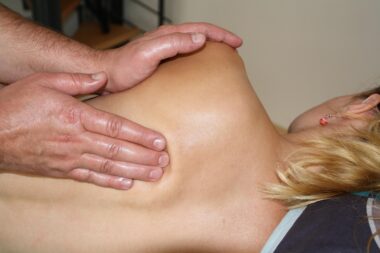
Touch can have a profound effect on an injured dog’s stress levels and pain relief. Utilizing gentle touch techniques is invaluable during their time of need. Begin by engaging in soft, slow strokes, and always gauge your dog’s reaction to ensure they’re comfortable. Use your fingertips to lightly massage areas that are not injured. This relaxation method aids blood circulation and promotes overall well-being. Avoid putting pressure on any sensitive areas, focusing only on the parts of their body that aren’t in pain. Also, learn to observe your dog’s body language—it can tell you a lot about their comfort level. If your dog tenses or it seems uncomfortable, adjust your technique accordingly. Some dogs may respond positively to petting in slow, rhythmic patterns. Utilize calming oils like lavender if safe, but consult a vet beforehand. You can integrate rewards, such as treats or soft tones, to create a positive association with touch. This practice will build their trust and foster an environment conducive to healing. With consistent gentle touch, you can significantly alleviate pain and anxiety, supporting your dog’s mental health.
Another effective method for reducing stress in injured dogs is through guided imagery and visualization. This involves creating a peaceful mental environment to help your dog relax. Start by settling your dog in a comfortable position, ideally lying down. You can sit beside them and softly talk soothingly while gently stroking their fur. Picture a serene setting like a quiet beach or peaceful forest full of gentle breezes and calming sounds. Describe this setting to your dog in soft tones, focusing on all the senses, such as feeling the warm sun or the soft grass beneath them. Make sure to convey a sense of safety and contentment during this exercise. Your voice and the visualization can help divert their attention from pain and stress. Keeping the atmosphere calm during this gentle exercise is crucial; consider dimming the lights and minimizing background noise. Also, be aware of your emotional state, as dogs can sense their owner’s feelings. Your calm energy will help the dog relax further. With consistent practice, this technique establishes a strong bond between you and your dog while promoting healing.
Breathing exercises are another beneficial practice. Dogs, like humans, can significantly benefit from regulated breathing, especially when experiencing anxiety or pain. Begin by showing your dog a relaxed state, demonstrating slow and steady breathing. While your dog is resting, take deep breaths, encouraging slower exhalations. This technique allows you to gradually incorporate this practice into your time together. Use a soft, calm voice to encourage your dog to mirror your inhalations and exhalations. Consider gently placing your hand on their side so they can feel their breath. Over time, they may begin to synchronize their breathing with yours. Keeping sessions short can help prevent any feelings of frustration or boredom. Gradually increase the duration as they become more comfortable with the exercises. Additionally, using treats as rewards during positive breathing moments can encourage engagement. Online resources are available to assist in learning breathing patterns suited to your dog’s needs. Regularly practicing this technique within a calm environment establishes a comforting routine, reducing chronic stress and aiding recovery from pain.
Incorporating light stretching and mobility exercises can further aid in the relaxation process. A gentle range of motion helps dogs regain flexibility while decreasing muscle tension, making it crucial for pain management. Start by slowly encouraging your dog to stretch their legs. Gently extend their front and hind legs while keeping a supportive hold to avoid any discomfort. Use slow, deliberate movements, only stretching as far as they are willing to go. Also, watch for any signs of discomfort; to ensure this is a safe practice, consult your veterinarian beforehand. Engage your dog in stretching sessions after visualizations or breathing exercises to create a holistic experience of relaxation. These motions encourage circulation and can significantly alleviate tightness while also distracting them from pain. It’s essential to use positive reinforcement during this time; reward their participation with soft spoken words or gently. This positive engagement fosters a bond and promotes a comforting experience during and after the stretching exercises. Incorporating this practice into your routine will not only contribute to their physical recovery but will also be mentally comforting during this challenging time.
Finally, consider introducing aromatherapy into your stress management routine. Utilizing natural scents can induce relaxation and help soothe your dog’s nerves. When selecting essential oils, always ensure they are safe for canine use; some oils can be harmful. Lavender and chamomile are popular choices among pet owners for their calming effects. Introduce great fragrance by using a diffuser or cotton balls soaked in the chosen oil, placing them near your dog’s space. Another option is a calming massage using safe oils diluted with a carrier oil. It may take time for your dog to adapt to new scents, and it’s essential to observe their initial reactions. If they seem agitated or uncomfortable, discontinue use immediately. Engaging aromatherapy alongside other methods, like gentle touch or breathing exercises, can create a multipronged approach to stress relief. Moreover, utilizing calming scents can promote better sleep, aiding recovery. Always remember to maintain a positive and calm atmosphere while using aromatherapy. Combining this method with spoken reassurance and soothing touches will create a deeply relaxing experience for your beloved pet.
In conclusion, employing guided relaxation methods for managing stress in injured dogs is essential. Each technique, from creating a calm environment to utilizing touch and aromatherapy, plays a fundamental role in promoting healing and reducing anxiety. Consistency and patience are key; these methods may take time to showcase benefits. As your dog transitions through the healing process, staying attuned to their needs is paramount. Use body language and vocal cues as indicators of comfort. This awareness allows you to adapt your approach, ensuring that your four-legged friend feels loved and secure during each step of recovery. Furthermore, fostering trust through these interaction techniques strengthens the bond you share with your dog. Each method complements the others, creating a holistic approach to their well-being. Embrace this opportunity to deepen your connection and provide support during their healing journey. With determination and the right tools, you can lead your dog through this challenging chapter, helping them recover with ease and compassion. The overall goal is to ensure they manage their stress effectively, allowing a smoother recovery process filled with love and care.