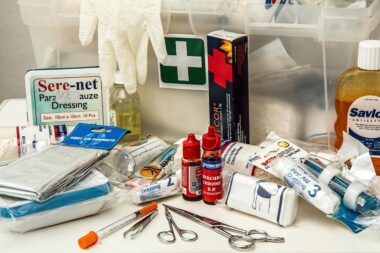

Bleeding Control for Kits in Emergency Situations
As a kitten owner, understanding how to control bleeding is critical for managing emergency situations with your pet. Kittens can injure themselves easily with their inquisitive nature, leading to potential bleeding. It is essential to remain calm and ensure safety for both you and your kitten. Assess the injury’s severity; if blood flows steadily or the kitten appears weak, immediate veterinary assistance is necessary. However, knowing basic bleeding control methods can help you manage the situation effectively until you reach a veterinarian. First, avoid panic; your calm demeanor can aid in calming your kitten. You will need a few supplies like clean cloths, bandages, and antiseptic to assist in stopping the bleeding. Gently press the clean cloth against the bleeding area, applying firm pressure while ensuring you do not cause more pain. Keep the pressure on for at least 5 to 10 minutes before checking for improvement. If the bleeding continues, replace the cloth only if saturated, as removing it could disrupt clotting. Always prioritize your kitten’s comfort while being attentive.
After applying pressure, assess the injury closely to determine whether to seek professional help. Some bleeding could stem from minor injuries, such as scratches, which may only require cleaning and simple first aid. However, other injuries, especially those involving significant bleeding, may warrant immediate veterinary intervention. If veins or arteries appear compromised, do not attempt to handle the situation alone. Instead, immediately transport your kitten to a veterinarian for further evaluation. In many cases, you may wrap the injured area in a bandage to minimize movement while en route to the veterinarian, but be cautious not to wrap it too tightly, as this may hinder circulation. Consult the veterinarian about the type of injury and control methods you used to facilitate effective treatment. Always carry your kitten in a secure carrier during transport. If your kitten shows signs of distress, such as excessive meowing or jerking, speak softly to soothe them. It’s crucial to keep them calm throughout the experience, helping both you and your kitten remain level-headed amid the emergency.
Recognizing Emergency Signs
Learning to recognize the signs of an emergency helps you act promptly. In kittens, emergencies can manifest through various behaviors or physical symptoms. Observe for excessive bleeding, persistent crying, or any unusual motions. If your kitten seems lethargic or unable to walk properly, these are indications of a serious issue that may require immediate action. Other signs include sudden changes in behavior, such as hiding or becoming aggressive. If your kitten has significant wounds or fractures, take note of the severity. In some instances, you may notice swelling around the injury, which typically signifies an underlying concern. Promote a safe environment by kitten-proofing your space to minimize injuries. During playtime or exploration, keep an eye on your kitten and intervene if dangerous activities arise. Being proactive can help reduce emergency situations. In any case of doubt, it is always wise to consult with your veterinarian about the symptoms you observe. Regular check-ups can also assist in ensuring your kitten’s continuous health and media to prevent potential emergencies.
When faced with bleeding emergencies, consider various methods to control the situation effectively. Tourniquets can sometimes be helpful, but they need to be used cautiously and under professional guidance. If applied incorrectly, tourniquets can cause further damage, so utilize them only for extreme cases where bleeding cannot be controlled by pressure alone. A clean gauze pad is useful for covering wounds, but your primary goal should always be to control bleeding with pressure. Remember to keep the area as clean as possible to prevent infection. Additionally, if the kitten displays signs of shock, such as pale gums, rapid heartbeat, or cool extremities, handle them delicately and avoid any sudden movements. Transport them quickly to a veterinary clinic while keeping them warm and secure. For minor injuries, follow up by cleaning the wound with water and applying a suitable antiseptic. Keep an eye on the healing process; monitor any changes in behavior or appearance of the wound. If the wound doesn’t show signs of improvement within a few days, consult your veterinarian to prevent complications.
Aftercare and Monitoring
After any emergency treatment for bleeding, ensuring proper aftercare is paramount. Follow your veterinarian’s instructions as thoroughly as possible to promote healing. Keep the observable area clean and dry; use recommended antiseptic solutions when needed. Examine the injury consistently for signs of infection, such as redness, swelling, or discharge, as these symptoms might indicate complications. If properly dressed, avoid removing any bandages prematurely, as a healthy clot may still be forming underneath. Your kitten may feel discomfort during this time, so providing a calm and safe space while they recover is pivotal. Limit their activity level to allow their body to heal fully; playtime should be supervised or confined, especially if the injury affects their mobility. Proper nutrition supports recovery, so ensure they receive a balanced diet appropriate for their age and health status. Consult your veterinarian on follow-up visits to monitor the healing process. Their expertise will help ensure that your kitten recovers correctly and becomes a playful companion again, bringing joy back into your household.
It’s also important to familiarize yourself with necessary emergency contacts and resources for optimal kitten care. Compile a list of veterinarians and emergency clinics in your area should you encounter a critical situation. Having these contacts readily available on your phone or printed out can save time and reduce stress during emergencies. Familiarize yourself with any relevant first aid courses available to pet owners; many organizations offer training specific to kitten care. Understanding general health guidelines and emergency protocols can provide peace of mind and develop your confidence as a caretaker. Collaborating with fellow kitten owners to form a support group can also help you exchange knowledge and resources regarding emergency care. Explore online forums and local animal organizations for valuable information and potential resources. Online communities provide real-time support and often assist in fostering connections with experienced caretakers. Staying informed and prepared can significantly increase your kitten’s chances of receiving prompt care in dire situations. Always remember that your proactive measures ensure a healthy and happy life for your furry friend.
Seeking Professional Help
Ultimately, the role of professional veterinarians in emergency situations cannot be overstated. When your kitten experiences a significant injury or continues to bleed despite your attempts to control it, seeking professional help is indispensable. Your knowledge as an owner serves as a primary avenue in managing the situation; nevertheless, nothing replaces the expertise of trained professionals. They can extend necessary treatment options unavailable to owners and assess any internal injuries that might not be visible. Additionally, veterinarians possess the medications and tools needed for effectively managing pain or infection while promoting healing. They provide you with crucial advice on preventative measures, ensuring future incidents are less frequent. After initial treatment, follow-up care will likely be necessary to ascertain proper healing and to avert complications. Being open with your vet about your kitten’s daily behavior and habits offers invaluable insights into their health. By understanding your kitten’s needs and significant signs of distress, you will be better equipped to seek assistance when necessary, ensuring that your furry friend thrives during their lifetime.
Keeping an emergency kit handy for your kitten can be an invaluable step in ensuring their immediate safety and health during emergencies. Consider including necessary items, such as bandages, antiseptic wipes, gauze, and even a contact list for your vet. Familiarize yourself with its contents and location, ensuring it’s accessible whenever needed. Being aware of how to use these supplies can save precious time during emergencies. Furthermore, consider discussing with your veterinarian about other recommended items tailored to your kitten’s specific needs based on their health conditions or lifestyle. Regularly review and update the contents of your kit, replacing any expired items. Having a plan for transporting your kitten in case of an emergency is also essential; soft carriers tend to be the most comfortable choice for kittens. Present your plan to any family members or friends who may care for your pet, so they are prepared to act quickly if needed. Prioritize your pet’s well-being by integrating proactive measures and having contingency plans. Your preparedness can make all the difference, helping your kitten receive the treatment they need as swiftly as possible.