
Training Techniques to Ease Your Dog’s Travel Fears
Traveling can be a stressful experience for many dogs, particularly if they suffer from car anxiety or motion sickness. Recognizing the signs of distress is crucial for helping your furry friend. Look for behaviors like whining, drooling, pacing, and even vomiting. Understanding these symptoms allows dog owners to tailor their training approaches effectively. Gradual exposure can alleviate travel anxieties over time. Start by acclimating your dog to the vehicle while it is stationary, allowing them to explore the surroundings. Offer treats and praise to create a positive association. Each small step can build up your dog’s confidence. Over several sessions, slowly introduce short trips around the block. This gentle approach helps them adjust without overwhelming them all at once. Consider using calming aids, such as pheromone sprays or anxiety wraps, to assist in creating a relaxing atmosphere during travel. Consistency in training and gradual progression will ultimately lead to improved experiences for both you and your beloved pet. With patience and time, many dogs can learn to travel comfortably, making adventures with them much more enjoyable. Explore various strategies to find the best solutions for your dog’s unique needs.
Establishing routines can significantly benefit dogs struggling with travel anxiety. Keeping travel predictable helps dogs feel secure and confident. Start by building a routine around the journey, including pre-travel activities like walks or playtime. Set aside time for bathroom breaks before the trip, which ensures they’re relieved and ready to travel. Additionally, create a comfortable space within the vehicle for your dog. Consider using their favorite blanket or toy to make the space familiar. Some dogs may also benefit from a pet seatbelt or crate designed for car travel, providing them with an extra sense of security. Once in the car, remember to keep the environment calm and controlled by minimizing loud sounds and distractions. Playing soft music or using soothing voices can help to keep anxiety at bay. Encouragement during the journey is vital. Provide praise or rewards during calm moments. If a dog begins to show signs of distress, pull over safely to give them a moment to settle down. Recognizing that travel anxiety is common among dogs helps owners remain patient, ultimately fostering a positive travel experience over time through consistent routines and careful planning.
Desensitization and Counter Conditioning
Desensitization and counter-conditioning are effective training techniques for managing your dog’s travel fears. This method involves gradually exposing your dog to the car environment in a controlled manner. Start by sitting in the parked car with your dog, allowing them to explore without the pressure of driving. Reward them with treats and praise for being calm. Over time, increase the duration they spend in the car until they associate the vehicle with positive experiences. Once they are comfortable, introduce the sound of the engine. Begin with short trips around the block to give them manageable practice. Always ensure to reward desirable behaviors to reinforce their positive actions. Counter-conditioning can also involve teaching your dog a new alternative response to the stress of car travel, like a specific command for relaxation. This command can be paired with treats when your dog remains calm. Over time, this new response aids in shifting their focus away from anxiety. The success of these techniques relies predominantly on consistency and patience. Utilizing these strategies can transform the negative experiences of car rides into moments filled with joy and excitement for your dog.
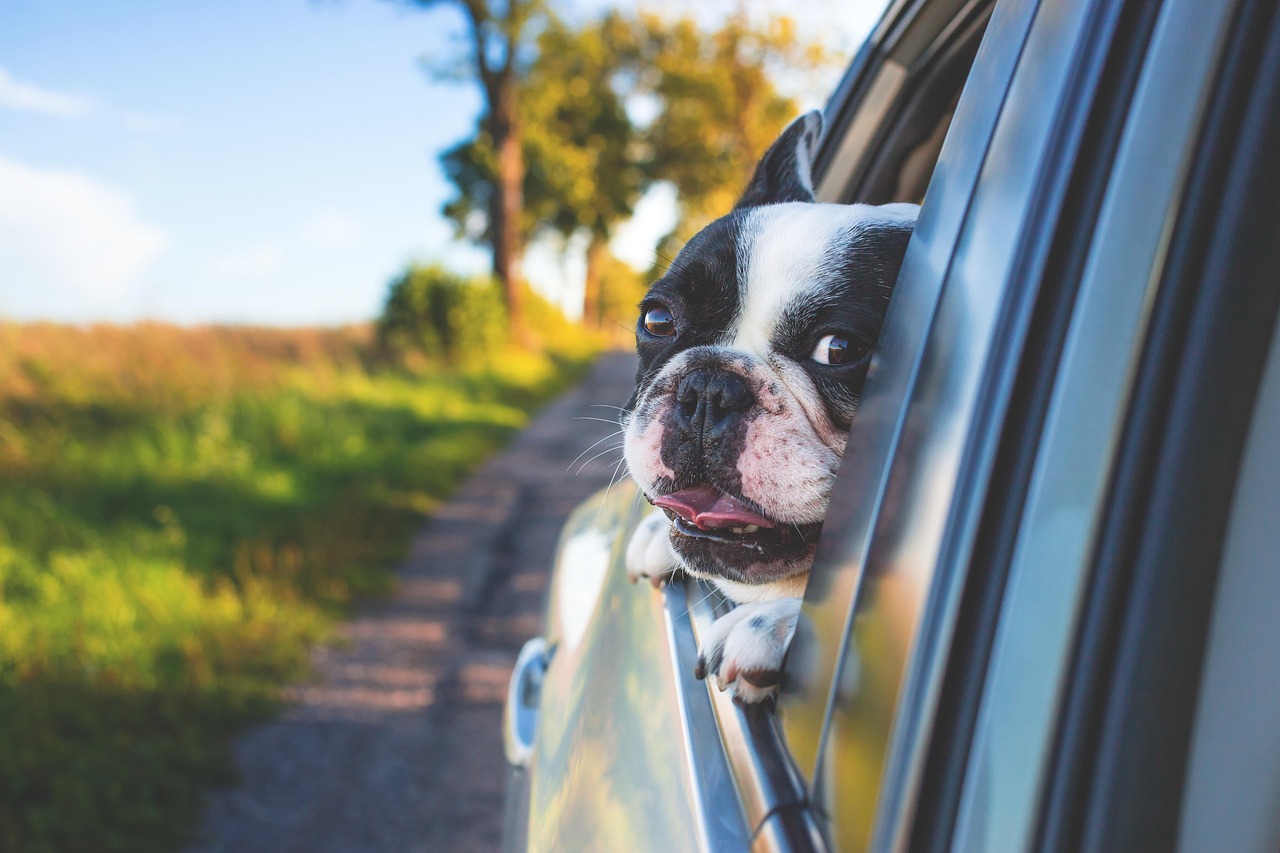
Creating a calm travel environment can play a crucial role in addressing car anxiety and motion sickness in dogs. One way to achieve this is by maintaining a comfortable temperature within the vehicle. Keeping windows slightly ajar for fresh air can also help, preventing your dog from feeling too confined or overheated. Avoid feeding your dog a heavy meal just before travel, as it can exacerbate motion sickness. Instead, offer smaller meals earlier in the day. Hydration is essential, so offer water before embarking on trips, especially during long travels. Providing a stable seating arrangement can help prevent unwanted movement that may contribute to anxiety. Consider using pet barriers to prevent dogs from jumping around in the car. Familiar scents from their toys or blankets can comfort them, reducing feelings of unease. Consistent quiet safety during travel is paramount; avoid loud music and chatter to create a peaceful atmosphere. In challenging conditions, essential oils or anxiety wraps may provide added support during drives. Ultimately, investing in these few adjustments can make a significant difference in your dog’s travel behavior, allowing them to feel the excitement of your adventures together.
Using Professional Help When Necessary
In some cases, it may be necessary to seek professional help for your dog’s travel anxiety. Engaging with a certified dog trainer or a veterinary behaviorist offers tailored strategies based on an individual dog’s needs. Professionals can assess the anxiety level and suggest training methods specific to that dog’s personality. Group training sessions also provide opportunities for dogs to learn in a social setting, which can reduce anxiety through peer interaction. Additionally, veterinarians can evaluate if medications may be beneficial for extreme cases of motion sickness or anxiety disorders. They can recommend calming supplements designed to help dogs during stressful experiences. Proper dosage and timing are crucial for optimal results, allowing dogs to feel calm throughout their journeys. Collaboration between an owner and professionals leads to more efficient training regimes, ensuring that a dog’s well-being is prioritized while they are trained to conquer anxiety. Continuous communication following treatment focuses on consistent practice, which cements progress over time. Combining owner initiative with expert guidance creates a holistic approach to manage traveling-related fears for every adventurous pup.
Positive reinforcement remains one of the most effective methods for overcoming travel anxiety in dogs. This approach emphasizes rewarding desirable behaviors, which encourages dogs to recognize these traits as favorable. As your dog exhibits calmness, offer praise and treat rewards to reinforce their good behavior. When they enter the vehicle without issue or exhibit relaxation, reward them immediately. Timing is essential, as rewards should follow specific actions closely to strengthen the association in their minds. Gradually increase the demands you place on your dog, allowing them to confront challenges while still receiving encouragement. Remaining patient throughout the training process ensures that your dog does not feel overwhelmed. Dogs learn at their own pace, so be prepared for setbacks and remember that consistency is key. Consider incorporating new challenges like differing environments, such as unfamiliar cars or varied travel routes. Creating a supportive atmosphere where your dog feels safe and confident further shapes their ability to cope with anxiety-related travel experiences. Celebrate each success, no matter how small, and continue nurturing their journey to becoming comfortable travelers, ready for new adventures together.
Conclusion and Moving Forward
After establishing a foundation of training techniques and strategies, it’s crucial to maintain a forward-moving mindset. Understand that while progress may take time, the effort spent is invaluable to your dog’s overall happiness and your travel experiences together. Ongoing practice will help reinforce previously learned skills, ensuring they remain effective. It’s also vital to monitor changes in your dog’s behavior over time. Adjusting your training methods based on their development will further personalize the approach. Consider recording progress through pet diaries to track successes and setbacks, which can provide valuable insights into what works best. Sharing experiences with fellow pet owners may also foster a supportive network where techniques can be exchanged. Always celebrate milestones and reward improvements, encouraging continual engagement in the training process. Remember, addressing travel anxiety and motion sickness is a journey that requires commitment and understanding. With consistent training, social interactions, and a positive environment, your dog can eventually enjoy travel experiences just like you do. Positive engagement on this journey creates bonds that redefine how you explore the world together, enhancing both your and your dog’s adventures outdoors.