
Step-by-Step Guide to Teaching Your Dog to Play Fetch
Playing fetch is a popular interactive game that can benefit both you and your dog in various ways. It not only enhances the bond between you and your canine companion but also provides excellent physical exercise for them. Dogs instinctively love to chase objects, and playing fetch utilizes this natural behavior. Through play, they improve their endurance, agility, and overall physical fitness. Additionally, fetch can stimulate their mental abilities, as it requires focus and response to commands. This game also offers an outlet for their energy, which can help alleviate behavioral issues resulting from boredom. Overall, fetch is a superb way to keep your dog active, happy, and engaged in a much-needed activity. Furthermore, teaching your dog to fetch can also improve their retrieving skills, which can be beneficial in other activities like field training or competitive sports. During this process, use positive reinforcement to encourage your pup, and always be patient. Implementing varied toys will keep your pet’s interest high and ensure they stay active and happy every day.
Preparing to Teach Fetch
Before diving into the game, ensure you have the right tools and environment to make teaching your dog to fetch effective and enjoyable. First, select a toy that excites your dog, encouraging their interest to engage in the game. Common options include balls, frisbees, or specialized fetch toys. Always choose a toy that is appropriately sized for your dog to prevent choking hazards. More importantly, pick a quiet place, free of distractions, where your dog can focus entirely on you and the game at hand. Ensure this area is spacious enough for running, as dogs love to chase items over distances. The use of treats should also not be overlooked; have some ready to reward your dog for every successful fetch. Next, consider your dog’s physical abilities, age, and breed, as these factors will influence how quickly they learn and what pace to set for training sessions. Sessions should be short but frequent, which helps in maintaining their interest while providing ample exercise throughout the day. Delivered feedback should also remain positive, ensuring that the fetch experience is fun and rewarding for your furry friend.
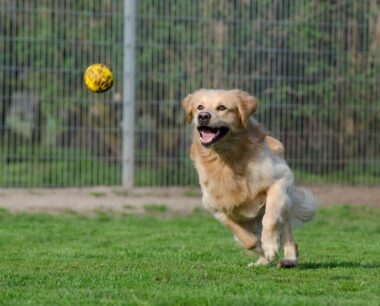
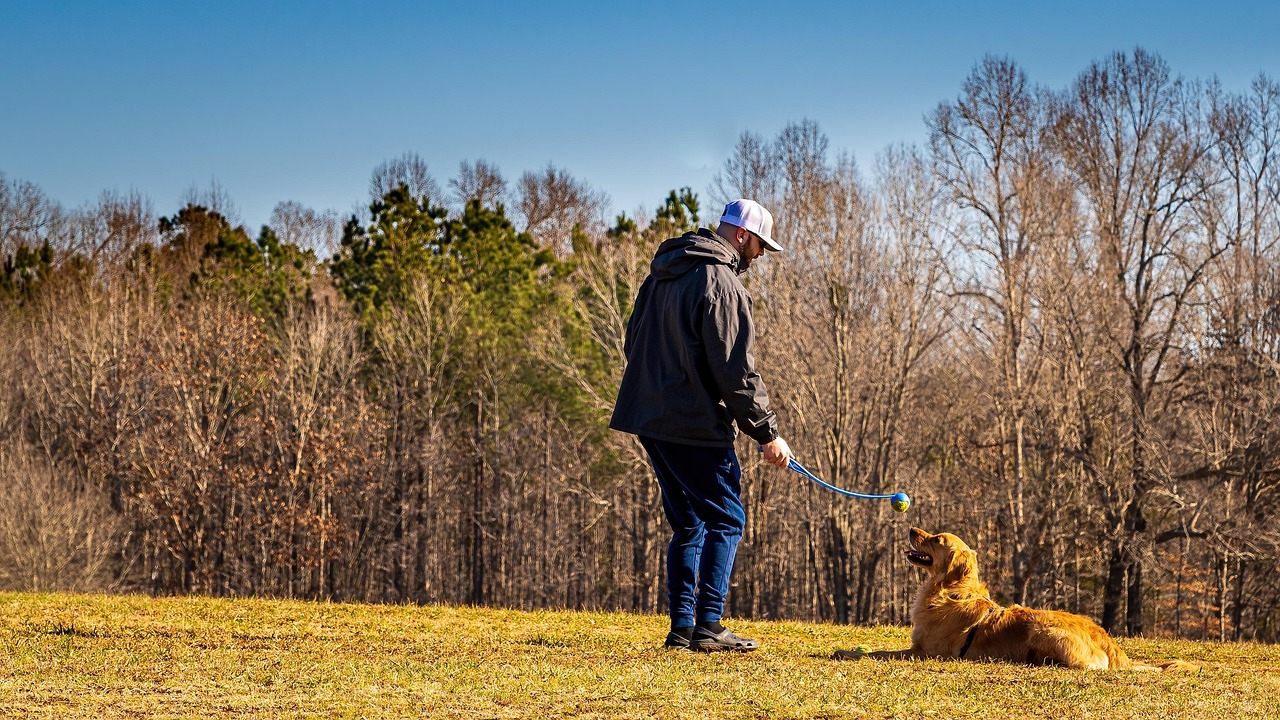
Begin the fetch training by first promoting the toy or item you’ve chosen, making it exciting for your dog. Show it to them, toss it a short distance, and encourage them to chase after it. In doing so, use encouraging phrases and a happy tone, getting them accustomed to the word fetch. Hold their attention by moving the toy around enticingly, which creates anticipation. As they start to chase it, motivate them further by calling their name and cheering them on. If your dog is apprehensive, you may need to go back and forth, rolling it slightly closer. Making it an interactive process will gradually enhance their confidence in chasing it down. After successful chases, remain enthusiastic when they retrieve the toy and return it. At this point, introducing commands like ‘bring it back’ or ‘drop it’ comes into play. Establish these ideas in a playful manner so that your dog associates positive experiences with following your commands, making fetch not only engaging but also a training process that fosters learning, responsiveness, and fun.
Once your dog becomes comfortable with fetching the toy, it’s time to reinforce the command for returning it. Consistency is key, so maintain the same words for each action. When your dog picks up the toy, call them back with a cheerful tone. After they bring the toy back, reward them with praise, a treat, or a few minutes of petting. Repetition will help solidify this behavior in their mind. If they drop the toy far from you, gradually extend your throws farther distances to encourage them to bring it back to the desired spot. It’s important they understand this is part of the game and that they’ll receive affection and treats for returning happily. This process may take time, so patience is crucial. Additionally, consider including a secondary toy or treat once they drop the first one, leading them to enjoy the exchange more. Over time, they will learn that picking up the toy and bringing it back results in positive outcomes, ensuring the experience is both educational and enjoyable, allowing efficient and effective engagement in the game.
Gradually Increasing the Challenge
As your dog becomes more adept at fetching, you can begin to increase the challenges to keep the game fresh and engaging. Start by varying the distance from which you throw the toy; you can throw it longer distances as they grow in confidence and skill. This not only enhances their physical abilities but also provides further opportunities for mental stimulation as they navigate a bit farther to retrieve items. Additionally, consider changing the terrain where you play fetch, moving from grass to sand or even a beach area. Different environments challenge their adaptability, which engages them better. You can also work on introducing different objects to fetch, such as balls of varying sizes or frisbees. Each variation should maintain an element of excitement and fun, enticing them to explore each new challenge. During these exercises, ensure to continue positive reinforcement techniques with treats, verbal praise, and other rewards to keep their motivation high. This phase signifies their progression in the game as they develop both physical and cognitive skills, making fetch a completely rewarding experience.
Moreover, incorporating training into your fetch routine can surface skills beyond just retrieval. Integrate commands like ‘sit,’ ‘stay,’ and ‘come’ in between throws to create a more enriching experience. This not only encourages obedience but also builds on their understanding of commands, reinforcing your leadership role while making the game more structured. These elements help create a foundation for more advanced tricks in the future. Frequent combinations of multiple commands can enhance your session’s intensity and engagement. Keep seeking balance between fun and discipline; too strict can diminish their interest. Try varying your voice tones as well, praising them when they follow commands accurately and quickly. Celebrate their successes, be patient with mistakes, and respect their energy levels. Remember to mix in rest breaks; this is crucial for maintaining interest and physical health. Fetch should remain a joy for you both; over time, it can develop into an enjoyable routine that contributes to a lifetime of well-behaved fun and fitness for your furry friend.
Conclusion: Embracing Fetch for Lifelong Benefits
Playing fetch is not just a game but a rewarding way to improve your dog’s physical stamina and mental agility. By establishing clear communication through commands and consistently applying positive reinforcement, you lay the groundwork for a strong owner-dog relationship. This bond can enhance your dog’s ability to respond to tasks in various situations. Fetch serves as a practical tool in managing energy and instilling good behavior in a controlled manner. Furthermore, varying the fetch routine can prevent it from becoming monotonous while continuously challenging your dog’s capabilities. This improves their social skills as well, especially if playing around other dogs. Encourage interactions while fetching, allowing them to socialize during activities, which is crucial for their development. Remember that persistence pays off, as every dog learns at their own pace. The time spent training and playing with your dog will contribute to their overall well-being and happiness. Embrace the journey of learning, which strengthens your relationship and enables your dog to thrive in a fun, exercise-oriented routine.
As you continue to refine their skills, pay attention to how they respond after each playing session. Dogs are observant and may show preferences for toys and types of throws, learning to anticipate where the toy will go. A well-trained fetch can extend to exploring other activities, such as agility or retrieving sports, which can encourage your dog to engage continually. Plus, always remain alert to their cues; if your dog seems fatigued or disinterested, it might be time to take a break or switch activities. Maintaining enjoyment is key; mixing in new experiences helps keep motivation high. Establish a diverse playtime routine while ensuring you maintain consistent commands to guide their actions. Most importantly, cherish every moment while training them, which not only instills positive habits but creates cherished memories. Through playing fetch, dogs acquire fitness, skills, and a deeper connection with you. This recreational exercise aligns well with fostering an emotionally intelligent and physically active canine, ultimately benefiting both dog and owner. Embrace the fun, and watch your furry friend thrive in this dynamic game of fetch!