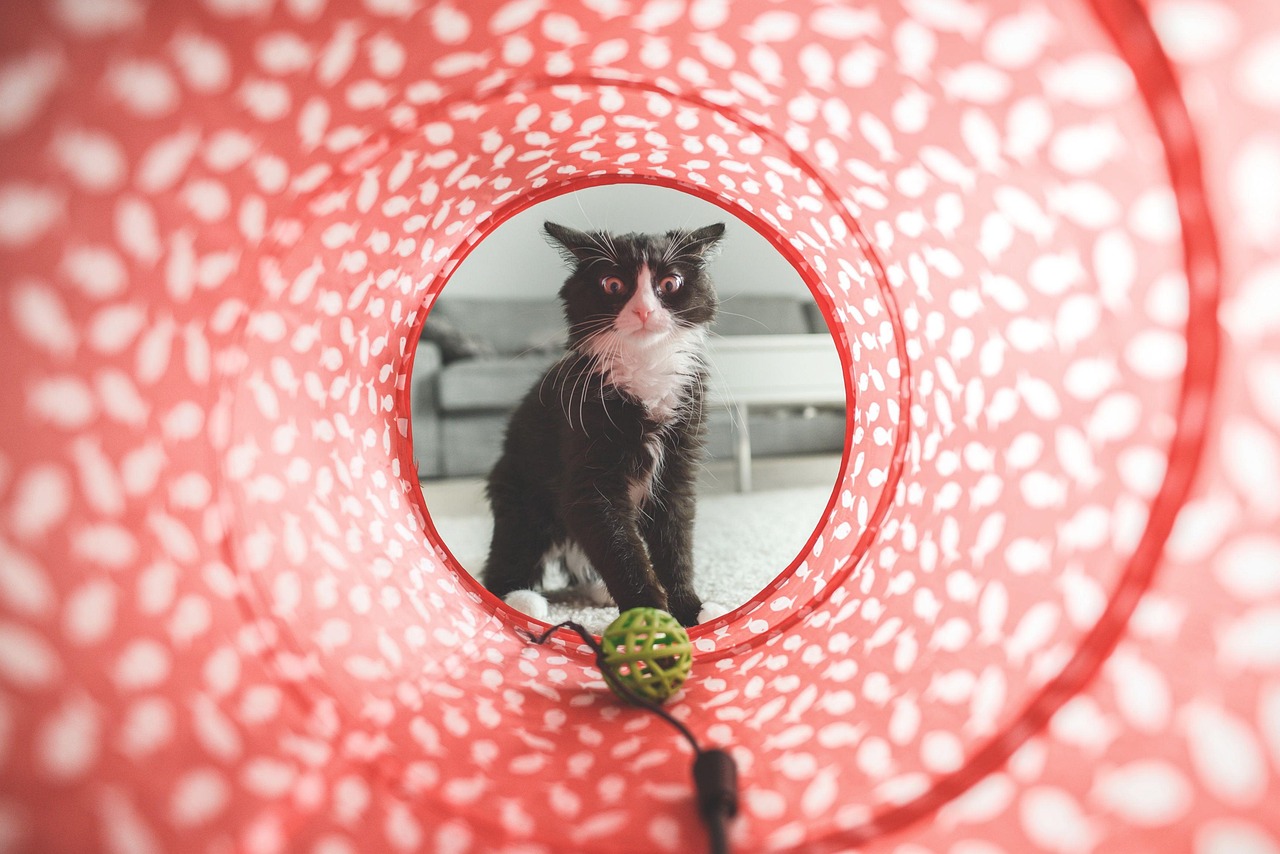

The Role of Play in Preventing Obesity in Indoor Cats
Indoor cats spend a considerable amount of their time lounging or sleeping, which can lead to a sedentary lifestyle. This inactivity can increase the risk of obesity and other health issues among felines. Playtime is vital as it replicates activities that outdoor cats naturally engage in, such as hunting and exploring. As a cat parent, providing engaging toys and playtime routines can stimulate your cat mentally and physically. Incorporating interactive toys, like feather wands or laser pointers, encourages your cat to run and jump, promoting exercise. Regular play sessions can be tailored to your cat’s preferences, helping to develop a routine while keeping things exciting. Structured play can also position play as a fun bonding time for both the cat and owner, helping to enrich their lives. Aim for at least two play sessions a day, dedicating 15 minutes to each session. A playful cat is more likely to remain healthy, alleviate boredom, and reduce anxiety, making effective play a critical component of their daily routine.
Understanding various types of play is essential for developing effective strategies for indoor cat exercise. Environmental enrichment promotes exploration which is inherently stimulating for a cat. Toys can range from simple DIY items, like paper balls, to sophisticated puzzle toys that reward cats for solving them. Observing your cat’s playing habits can provide insight into their preferences, helping you select appropriate toys. Additionally, incorporating elements such as climbing trees or scratching posts into your home can create an enticing space for physical activity. Play should mirror the natural behaviors of cats, especially predatory ones, to ignite their instincts. Create an environment with various heights and textures to encourage climbing and scratching; this also helps maintain their claws. Group play with multiple cats can increase social interaction, providing both mental stimulation and physical exercise while reducing aggression amongst housemates. To maintain energy levels and prevent obesity, keep track of your cat’s weight and adjust play habits accordingly. An engaging environment not only reduces weight gain but enriches their quality of life in an indoor setting, making positive and healthy behavioral changes possible.
Integrating daily playtime into your indoor cat’s life can counteract potential health risks while enhancing their overall well-being. Understanding the significance of routine in a cat’s life can allow you to appropriately measure the frequency and duration of play sessions. Familiarizing your cat with toys during kittenhood can create a lasting positive association with play, helping them to enjoy these activities as they grow older. Offering variety in available play options can also cater to their changing tastes over time. Scheduling regular playtimes can make cats more expectant and excited about playing, contributing to the establishment of positive behavior. To optimize the experience, it’s crucial to evaluate your cat’s energy levels; some cats may need more time than others for physical exertion to feel satisfied. Equally, overweight cats might require a gradual introduction to more vigorous play. Monitoring progress can help identify improvements in your cat’s behavior and temperament, bringing focus to their overall fitness. Ultimately, enhancing a cat’s playful experiences can lead both to decreased obesity risks and a flourishing feline companion.
The Impact of Regular Play on Indoor Cats
Moreover, play can significantly influence the mental health of indoor cats. Just like humans, cats benefit greatly from stimulation, and failure to engage in playtime can lead to boredom, stress, or anxiety. Unstimulated cats may resort to destructive behaviors, which can be frustrating for pet owners. Engaging play not only keeps their bodies fit but also promotes mental sharpness and emotional stability. Activities such as puzzle games or interactive feeders can challenge their cognitive skills while providing the satisfaction of accomplishment. Creating consistent play routines allows your cat to look forward to playtime, contributing to their happiness. In addition, incorporating different play styles may alleviate loneliness, especially for single-cat households. Joining two or more cats in a play session can enhance mutual interaction while allowing them to burn off energy. Include various toys to cater to different preferences, making each session unique and enjoyable. Understanding that each cat has distinct personality traits will help hone in on their individual play preferences. This adaptation can lead to better overall health, showcasing that the benefits of play extend beyond mere physical activity.
Furthermore, the right playtime technique is equally as vital as having a schedule. Direct play, which involves the owner actively engaging with the cat, enhances bonds and reinforces social behavior. Capturing their attention with enticing, moving toys can act as a catalyst for activity; as a cat parent, consider rotating toys to maintain your cat’s interest. You should keep sessions short to prevent fatigue or frustration; if a cat starts to lose interest, it’s preferable to quickly switch gears or end on a positive note. Recognizing cues that imply readiness for play can lead to rewarding experiences for both pet and owner. Tailoring playtime to match their personality and energy levels while remaining attentive can create a joyful, interactive session. Maintenance of health through controlled playtime can not only reduce weight but also lead to mood stability. The relationship between play, mental stimulation, and physical activity stresses the importance of balancing elements for optimal indoor cat care. Adopting these strategies can ideally cater to your cat’s needs while preventing obesity, cementing their happy and enriching lifestyle.
Types of Engaging Play Activities
To further diversify your indoor cat’s life and combat obesity, consider varying the types of engaging play activities. Numerous toys exist that can foster interaction, like electronic mice or soft plush toys that encourage chase. Rotate the toys regularly, ensuring they remain fresh and exciting for your cat. Engaging in fetch with a small ball or lightweight toy can really keep them physically active while promoting exercise. Different activities stimulate both the mind and body; for instance, setting up obstacle courses with boxes can provide a multi-level adventure. Encourage exploratory play by hiding treats in various locations around your home. Interactive play that provokes problem-solving can be instrumental in keeping your cat mentally sharp. Engaging with activities that involve collaboration, like shared play with another cat or a human, can further enhance their playtime experiences. Remember, while physical activity is essential, mental enrichment is equally crucial to manage weight properly. Fostering a sense of fulfillment during play creates opportunities to address behavioral concerns by promoting healthy, balanced activity levels through these engaging methods.
Moreover, be attentive to signs of fatigue in your cat, as recognizing these cues allows for adjusting play durations accordingly. Physical fitness isn’t the only goal of play; it is equally important to embrace a fun approach for your cat. Offering praise and rewards during playtime can help strengthen the bond between you and your cat. Attention to your cat’s behavior can lead to insights that enhance your relationship. As noted, a healthy indoor cat can maintain its ideal weight through structured play sessions, which can reduce stress levels, fear, and other behavioral issues as well. While indoor living brings unique challenges, cat parents can successfully provide enriching environments through creativity. Transitioning from idle behavior to active engagement can be done with consistency dedication. Always focus on making playtime fulfilling rather than solely emphasizing weight management. Ultimately, engaging your cat in play fosters a happier, healthier life that lays the foundation for a strengthened human-animal bond that enriches both parties involved. Play routines are a pivotal aspect of caring for indoor cats, leading to lasting positive changes.
In conclusion, prioritizing playtime for indoor cats cultivates healthy habits that are physically and psychologically beneficial. The importance of play cannot be overstated when considering how it contributes to an energetic, engaging lifestyle. Fostering an inviting atmosphere with suitable toys encourages a cat’s natural playful instincts. The role of interactive play is instrumental in achieving not only weight management but also emotional stability. Indoor cats deserve opportunities to explore, express, and embody natural behaviors to ensure their health and happiness. Regular engagement with your cat strengthens the bond while cultivating mutual understanding and trust. Moreover, implementing varied play styles and rotating toys can sustain their interest while providing necessary stimuli. Overall, should you invest time into playful interactions, remember that the energy you invest will create an enriching indoor environment. Recognizing the signs of obesity and addressing play activities accordingly will lead to successful weight management strategies. Embrace family involvement in playtime, as interactions can deepen relationships within your household. Cats are wonderful companions, and thoughtful playtime fosters joyful living that enhances their quality of life while keeping obesity at bay.